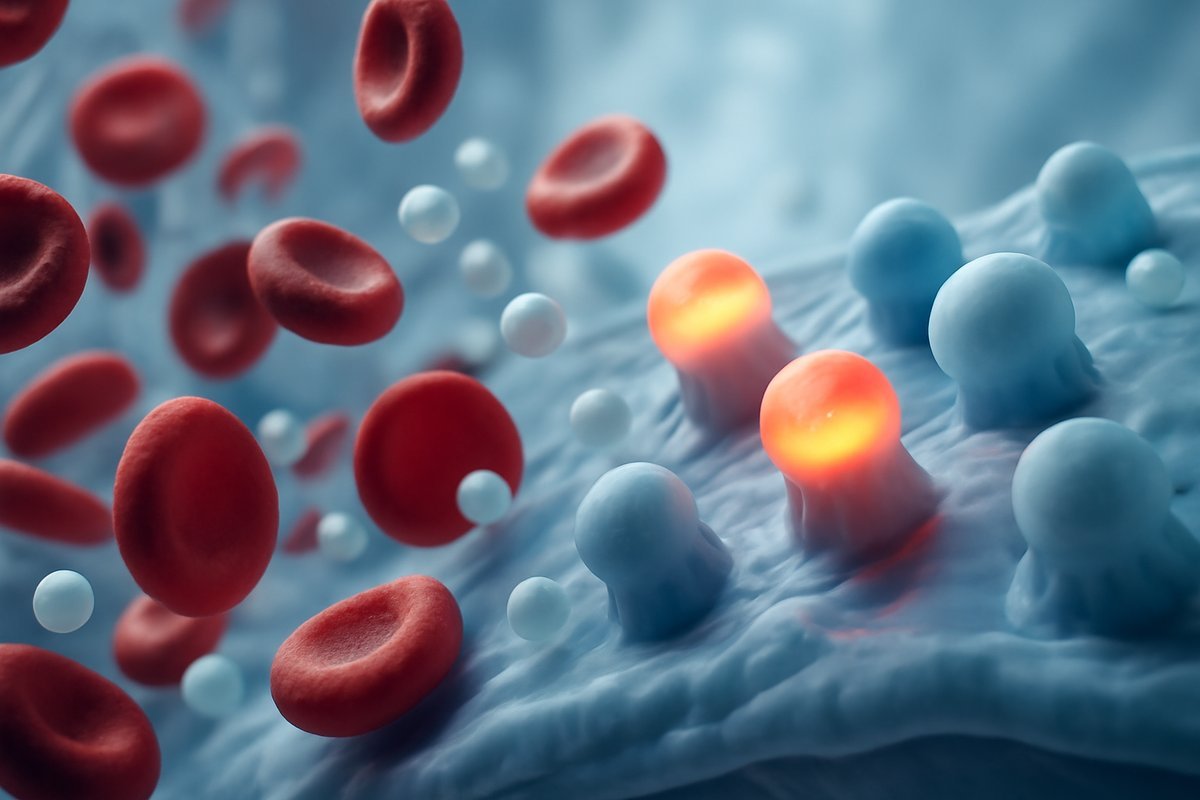
Understanding insulin resistance could be the most important step you take toward protecting your long-term health.
Marcus, 47, had been feeling exhausted for months. His doctor told him his fasting blood sugar was “borderline,” and that he should “watch what he eats.” He nodded politely — but walked out of the office not entirely sure what was wrong or what to do next. What Marcus had was insulin resistance, a condition that affects an estimated 88 million American adults, according to the CDC. And like most of them, he had no idea.
Insulin resistance is one of the most common — and most misunderstood — metabolic conditions in the United States. It sits at the very root of type 2 diabetes, heart disease, and a host of other chronic illnesses. The good news? It is detectable early, and with the right approach, many people can significantly improve their insulin sensitivity before it progresses to full-blown diabetes.
In this guide, you will learn exactly what insulin resistance is, how to recognize its early signs, what causes it, and — most importantly — what evidence-based steps you and your doctor can take together to manage it effectively.
What Is Insulin Resistance?
Insulin is a hormone produced by the pancreas. Its primary job is to act like a key, unlocking your body’s cells so that glucose (sugar from food) can enter and be used for energy. When everything works correctly, your cells respond well to insulin’s signal. Blood sugar stays stable, energy levels remain consistent, and your organs function properly.
Insulin resistance occurs when your cells — particularly in the muscles, fat, and liver — stop responding normally to insulin. Instead of opening up to let glucose in, they essentially ignore the signal. To compensate, your pancreas produces more and more insulin, trying to force the job done. For a while, blood sugar remains normal. But over time, the pancreas cannot keep up, and blood sugar begins to rise.
According to the National Institutes of Health (NIH), insulin resistance is a core feature of prediabetes and type 2 diabetes. The CDC estimates that 96 million American adults — more than 1 in 3 — have prediabetes, and approximately 80% don’t know it. Left unaddressed, prediabetes progresses to type 2 diabetes within 5 to 10 years in many individuals.
Insulin resistance does not just affect blood sugar. It is closely linked to high blood pressure, elevated triglycerides, low HDL (“good”) cholesterol, and increased abdominal fat — a cluster of problems collectively known as metabolic syndrome.
Signs and Symptoms of Insulin Resistance
One of the most challenging aspects of insulin resistance is that it often produces no obvious symptoms in its early stages. Many people live with it for years without knowing. However, there are warning signs worth paying attention to.
Early and common signs may include:
- Persistent fatigue, especially after meals
- Intense carbohydrate or sugar cravings
- Difficulty losing weight, particularly around the abdomen
- Brain fog or difficulty concentrating
- Slightly elevated fasting blood sugar (100–125 mg/dL, the prediabetes range)
- High triglycerides or low HDL cholesterol on a blood panel
- Elevated blood pressure without an obvious cause
A notable physical sign to know:
- Acanthosis nigricans — darkened, velvety patches of skin, typically around the neck, armpits, or groin. This is a visible skin change associated with elevated insulin levels and is recognized by clinicians as a physical marker of insulin resistance.
A 2021 study published in the journal Diabetes Care found that individuals with insulin resistance frequently show metabolic abnormalities — including elevated fasting insulin levels — years before blood sugar rises into the diabetic range. This underscores the importance of early detection through routine lab work rather than waiting for symptoms to worsen.
Red flag symptoms that require prompt medical attention:
- Fasting blood sugar consistently above 126 mg/dL
- Extreme thirst and frequent urination
- Blurred vision
- Unexplained weight loss
- Numbness or tingling in the hands or feet
If you experience any of these, contact your healthcare provider without delay — these may indicate that type 2 diabetes has already developed.
Causes and Risk Factors
Insulin resistance does not have a single cause. It develops through a combination of genetic predisposition, lifestyle factors, and environmental influences. Understanding what raises your risk is the first step toward prevention.
Lifestyle-related risk factors:
- Physical inactivity — Skeletal muscle is the body’s largest consumer of glucose. When muscles are sedentary, they become less sensitive to insulin. The American Diabetes Association (ADA) identifies physical inactivity as one of the most modifiable risk factors for insulin resistance.
- Excess body fat — Particularly visceral fat (the deep fat surrounding your organs). Fat cells, especially in the abdomen, release inflammatory chemicals that interfere with insulin signaling. Research from Harvard Health suggests that even a 5–7% reduction in body weight can meaningfully improve insulin sensitivity.
- Poor diet — Diets high in refined carbohydrates, added sugars, and ultra-processed foods repeatedly spike blood glucose, forcing the pancreas to overproduce insulin. Over time, cells downregulate their response.
- Chronic sleep deprivation — Even a single night of poor sleep has been shown to reduce insulin sensitivity by up to 25%, according to research cited by the NIH.
- Chronic stress — The stress hormone cortisol raises blood glucose and impairs insulin action.
Genetic and biological risk factors:
- Family history of type 2 diabetes
- Age 45 or older
- Race and ethnicity — Black, Hispanic, Asian American, and Native American populations face disproportionately higher risk, according to CDC data
- History of gestational diabetes or polycystic ovary syndrome (PCOS)
This variation matters: two people with identical lifestyles may develop insulin resistance at very different rates based on genetics. This is why personalized medical guidance is essential.
Diagnosis: What to Expect
There is no single standardized test that diagnoses “insulin resistance” directly as a standalone condition. However, your doctor has several reliable tools to assess it and its metabolic consequences.
Common tests your doctor may order:
- Fasting blood glucose — A level between 100 and 125 mg/dL indicates prediabetes; 126 mg/dL or higher on two separate tests indicates type 2 diabetes.
- Hemoglobin A1C (HbA1c) — Reflects average blood sugar over the past 2–3 months. A result between 5.7% and 6.4% signals prediabetes. You can learn more about what your A1C number means in our detailed guide: A1C Levels Explained: What Every Diabetic Must Know.
- Fasting insulin level — Not always routine, but an elevated fasting insulin alongside normal blood sugar is a strong indicator of insulin resistance. Your doctor may calculate a HOMA-IR score (Homeostatic Model Assessment of Insulin Resistance) using glucose and insulin values together.
- Lipid panel — High triglycerides (above 150 mg/dL) and low HDL cholesterol are metabolic hallmarks of insulin resistance.
- Oral Glucose Tolerance Test (OGTT) — Measures how your body processes glucose over two hours after drinking a sugary solution. Often used in diagnosing gestational diabetes but can reveal prediabetes in non-pregnant adults as well.
The American Diabetes Association recommends screening for prediabetes and type 2 diabetes in all adults starting at age 35, or earlier if risk factors are present. If you have not been screened recently, discuss this with your physician at your next visit.
Treatment Options for Insulin Resistance
The most powerful treatments for insulin resistance combine medical oversight with meaningful lifestyle changes. There is no one-size-fits-all approach — what works best varies from person to person — but the evidence is clear that early, consistent action makes a measurable difference.
Conventional medical treatments:
Metformin is the most commonly prescribed medication for prediabetes and early type 2 diabetes in the US. Clinical evidence indicates it works by reducing the liver’s overproduction of glucose and improving the body’s response to insulin. The Diabetes Prevention Program (DPP) — a landmark NIH-funded clinical trial — showed that metformin reduced progression from prediabetes to type 2 diabetes by 31% over three years. Your doctor will determine whether medication is appropriate for your specific situation.
Newer medication classes, including GLP-1 receptor agonists (such as semaglutide) and SGLT-2 inhibitors, have shown strong clinical evidence not only for improving blood sugar control but also for reducing cardiovascular risk in people with type 2 diabetes. If you are already living with diabetes and managing medications, our article on Optimizing Diabetes Medication Adherence offers practical strategies to help you stay on track.
Lifestyle modifications — the cornerstone of treatment:
Physical activity is arguably the most effective tool for improving insulin sensitivity. Muscle contractions during exercise allow glucose to enter cells independently of insulin. The ADA recommends at least 150 minutes of moderate-intensity aerobic exercise per week, plus 2–3 days of resistance training. Research suggests that even a single 30-minute brisk walk can temporarily improve insulin sensitivity in people with prediabetes.
Dietary changes should focus on reducing refined carbohydrates and added sugars, increasing fiber intake (vegetables, legumes, whole grains), including healthy fats (olive oil, avocado, nuts), and choosing lean proteins. The Mediterranean dietary pattern, in particular, has robust clinical evidence supporting improved insulin sensitivity and reduced risk of type 2 diabetes.
Weight management remains a high-impact target. The DPP trial demonstrated that a 5–7% reduction in body weight through diet and exercise reduced diabetes risk by 58% in high-risk adults — nearly double the effect of metformin alone. If weight management feels like a persistent challenge, our resource on Sustainable Weight Loss: Habits for Lasting Health provides evidence-based strategies worth exploring with your care team.
Sleep optimization — Prioritizing 7–9 hours of quality sleep per night is not optional when managing insulin resistance. Clinical evidence consistently links poor sleep to elevated fasting glucose and impaired insulin action.
Stress management — Chronic stress keeps cortisol levels elevated, which perpetuates insulin resistance. Mindfulness, structured breathing exercises, therapy, and regular physical activity are all evidence-supported approaches.
Living With Insulin Resistance: Day-to-Day Management
Managing insulin resistance is not a short-term project — it is an ongoing lifestyle practice. But many people who commit to it experience substantial improvements in energy, weight, and metabolic health within weeks to months.
Practical daily habits that support better insulin sensitivity:
- Eat balanced meals that pair carbohydrates with protein and fiber to blunt glucose spikes
- Avoid long periods of sitting — stand or walk for a few minutes every hour
- Keep a consistent sleep schedule, even on weekends
- Limit alcohol, which can worsen insulin resistance and raise triglycerides
- Monitor your blood sugar if your doctor recommends it — awareness is a powerful motivator
- Schedule regular follow-up labs (A1C, fasting glucose, lipid panel) at least annually, or as advised
Prevention matters here too. If you have risk factors but have not yet been diagnosed with prediabetes, the same lifestyle strategies apply. Clinical evidence shows that the earlier you intervene, the more effectively you can protect your metabolic health long-term.
When to Call Your Doctor: Emergency Signs
Insulin resistance itself is rarely a medical emergency. However, if it has progressed — or if it is accompanied by other conditions — certain symptoms demand immediate attention.
Call 911 or go to the emergency room immediately if you experience:
- Confusion, disorientation, or loss of consciousness (possible hypoglycemia if you take diabetes medications)
- Chest pain or pressure, shortness of breath, or sudden arm pain (signs of cardiac event, which people with insulin resistance are at higher cardiovascular risk for)
- Difficulty speaking or sudden weakness on one side of the body (possible stroke)
Schedule a prompt (non-emergency) appointment with your doctor if you notice:
- New or worsening fatigue, thirst, or frequent urination
- Blood sugar readings consistently outside your target range
- New darkening of the skin around the neck or armpits
- Unexplained weight changes
- A fasting glucose reading above 100 mg/dL for the first time
At your next routine appointment, consider telling your doctor: “I’d like to check my fasting glucose, A1C, insulin level, and full lipid panel. I’m concerned about my risk for insulin resistance and want to be proactive.”
Frequently Asked Questions
Q: Can insulin resistance be reversed completely?
A: Research suggests that insulin resistance — particularly in its early stages — can be significantly improved, and in some cases effectively normalized, through sustained lifestyle changes including weight loss, regular exercise, and dietary modification. However, “reversal” is a complex term, and individual results vary. Most physicians prefer the term “remission” or “improved insulin sensitivity.” Ongoing monitoring remains important even after improvement.
Q: Is insulin resistance the same as type 2 diabetes?
A: Not exactly. Insulin resistance is a precursor condition that, if left unmanaged, can progress to type 2 diabetes. Type 2 diabetes is diagnosed when blood sugar reaches chronically elevated levels and the pancreas can no longer compensate. Think of insulin resistance as a warning sign — an opportunity to act before diabetes develops.
Q: What foods should I avoid if I have insulin resistance?
A: Clinical guidance generally recommends limiting refined carbohydrates (white bread, white rice, pastries), sugary beverages, ultra-processed snacks, and foods high in added sugars. These foods cause rapid blood glucose spikes that stress the insulin system. This varies from person to person, and a registered dietitian can help you build a personalized eating plan.
Q: Can thin people develop insulin resistance?
A: Yes. While excess body fat — especially visceral abdominal fat — is a major risk factor, insulin resistance can occur in people with a normal body weight. This is sometimes called “metabolically unhealthy normal weight” or TOFI (thin outside, fat inside). Genetics, physical inactivity, and diet quality all play a role regardless of body size.
Q: How long does it take to improve insulin sensitivity?
A: Clinical evidence indicates that meaningful improvements in insulin sensitivity can occur within 4–12 weeks of consistent aerobic exercise and dietary changes, even before significant weight loss occurs. Muscle-building exercise may show results even sooner. However, maintaining these improvements requires ongoing lifestyle commitment — not a short-term fix.
The Bottom Line
Insulin resistance is one of the most prevalent and consequential metabolic conditions affecting American adults today — and one of the most actionable. The path forward is not about perfection; it is about consistent, evidence-based steps taken alongside your healthcare team. From improving your sleep and moving more each day, to working with your doctor on the right screening and treatment plan, every decision compounds over time.
You do not have to wait until a diabetes diagnosis arrives to take your metabolic health seriously. If Marcus’s story sounds familiar, use it as motivation. Talk to your doctor. Get your labs. Ask questions. Early awareness and informed action are two of the most powerful tools available to you — and they start today.
Always consult your physician or a qualified healthcare provider before making changes to your health routine or treatment plan.
This article is for informational and educational purposes only. It does not constitute medical advice, diagnosis, or treatment. Always consult your physician or a qualified healthcare provider before making changes to your health routine or treatment plan.
Medically reviewed by our editorial health team. Content follows evidence-based standards aligned with CDC and NIH guidelines.
Leave a Reply