Diabetes and Alcohol: What Every Diabetic Must Know
Understanding how alcohol interacts with blood sugar could prevent a dangerous — and surprisingly common — medical emergency.
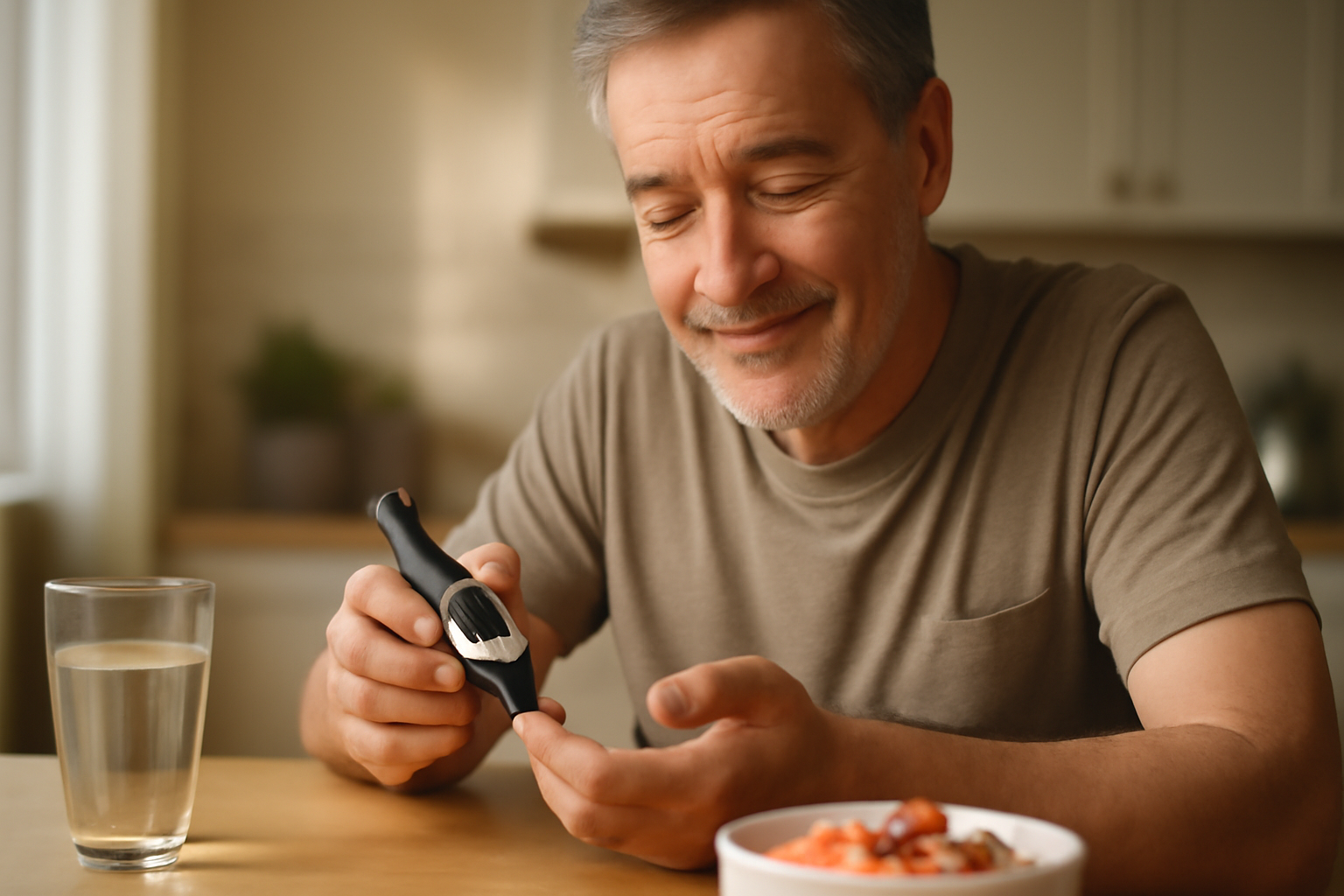
Marcus, 54, had managed his type 2 diabetes for six years without a serious incident. Then, at a holiday party, he had a few drinks with dinner — skipped a snack before bed — and woke up at 2 a.m. in a cold sweat, confused and shaking. His wife recognized the signs of low blood sugar and acted quickly. Marcus was lucky. Not everyone is.
According to the CDC, more than 38 million Americans are living with diabetes, and surveys from the National Institute on Alcohol Abuse and Alcoholism (NIAAA) suggest that adults with diabetes drink at rates similar to the general population. Yet many people with diabetes receive little guidance about how alcohol interacts with blood sugar, medications, and long-term complications.
This article will walk you through exactly how alcohol affects blood sugar control, which risks matter most, how to drink more safely if you choose to, and when alcohol should be avoided entirely. If you’re managing diabetes — or caring for someone who is — this information could be lifesaving.
How Alcohol Affects Blood Sugar: The Science Behind the Risk
To understand why alcohol and diabetes can be a dangerous combination, it helps to know what your liver does when you drink.
Normally, your liver has two jobs running in the background: processing substances in your blood and releasing stored glucose (glycogen) to keep blood sugar from dropping too low. When you drink alcohol, the liver prioritizes metabolizing the alcohol above everything else — including releasing that stored glucose.
The result? Blood sugar can drop significantly, especially if you’ve taken insulin or certain oral diabetes medications. This condition — called hypoglycemia (low blood sugar, typically below 70 mg/dL) — can develop slowly over several hours and may occur while you’re asleep, making it particularly dangerous.
A meta-analysis published in the journal Diabetes Care found that alcohol consumption was associated with a significantly increased risk of hypoglycemic episodes in people with both type 1 and type 2 diabetes, particularly when alcohol was consumed without food. Clinical evidence also indicates that the liver’s glucose-releasing function can remain impaired for up to 24 hours after drinking — meaning the risk doesn’t end when the party does.
On the flip side, some alcoholic beverages — especially sugary cocktails, sweet wines, beer, and mixed drinks with juice — can cause a temporary spike in blood sugar before the hypoglycemic effect kicks in. This two-phase swing is one of the reasons alcohol makes diabetes management particularly unpredictable.
Signs and Symptoms: Hypoglycemia vs. Intoxication
One of the most dangerous aspects of alcohol and diabetes is how easily their symptoms overlap — and how often one is mistaken for the other.
Symptoms of hypoglycemia include:
- Shakiness or trembling
- Sweating, especially at night
- Dizziness or lightheadedness
- Confusion or slurred speech
- Rapid heartbeat
- Irritability or sudden mood changes
- Pale or clammy skin
- In severe cases: unconsciousness or seizure
Notice that confusion, slurred speech, and unsteady gait — all classic signs of low blood sugar — are also classic signs of alcohol intoxication. Friends, family members, even emergency personnel may misread a hypoglycemic episode as drunkenness, delaying critical treatment.
Research from the American Diabetes Association (ADA) reinforces that people with diabetes should always carry fast-acting glucose (such as glucose tablets or juice) when drinking and should wear a medical ID bracelet indicating their condition so that first responders can make an accurate assessment quickly.
If you’re experiencing confusion or shaking and you’re unsure whether it’s low blood sugar or alcohol, treat for low blood sugar first — eating 15 grams of fast-acting carbohydrates — and check your glucose if possible. Never assume it’s just the alcohol.
Causes of Increased Risk: Who Is Most Vulnerable
Not all people with diabetes face the same level of risk from alcohol. Several factors increase your vulnerability significantly.
Medication type matters enormously. People taking insulin or sulfonylureas (a class of oral medications that stimulate insulin production, including glipizide and glimepiride) face the highest risk of alcohol-induced hypoglycemia. The combination of these medications with alcohol’s glucose-suppressing effect on the liver can cause blood sugar to plunge rapidly.
Drinking on an empty stomach dramatically amplifies this effect. Without food slowing alcohol absorption and providing carbohydrates to maintain blood sugar, the liver’s impaired glucose release becomes critical.
Additional risk factors include:
- Long duration of diabetes — people who have had diabetes for many years may have impaired counter-regulatory hormone responses (the hormones that normally kick in to raise blood sugar)
- Kidney disease or liver disease — both affect how alcohol and glucose are metabolized
- Autonomic neuropathy — nerve damage affecting internal organ function can blunt the warning symptoms of hypoglycemia
- Older age — adults over 60 tend to metabolize alcohol more slowly and may have less awareness of hypoglycemia symptoms
- Skipping meals or eating very little — common when drinking socially
According to the NIH, heavy alcohol use — defined as more than 14 drinks per week for men and more than 7 per week for women — is also independently associated with worsening insulin resistance and a higher risk of developing diabetic complications. This risk compounds over time.
Diagnosis and Monitoring: What Your Numbers Tell You
If you have diabetes and you drink alcohol, consistent blood sugar monitoring becomes even more critical. Your healthcare provider may recommend more frequent checks on days when you drink — and especially before bed.
Most physicians recommend that people with diabetes who choose to drink alcohol should:
- Check blood sugar before drinking
- Check blood sugar during the event if drinking extends more than 1-2 hours
- Check blood sugar before bed — and eat a carbohydrate-containing snack if glucose is at or below 100 mg/dL
- Set an alarm or ask a partner to check on you overnight if you’ve consumed more than one drink
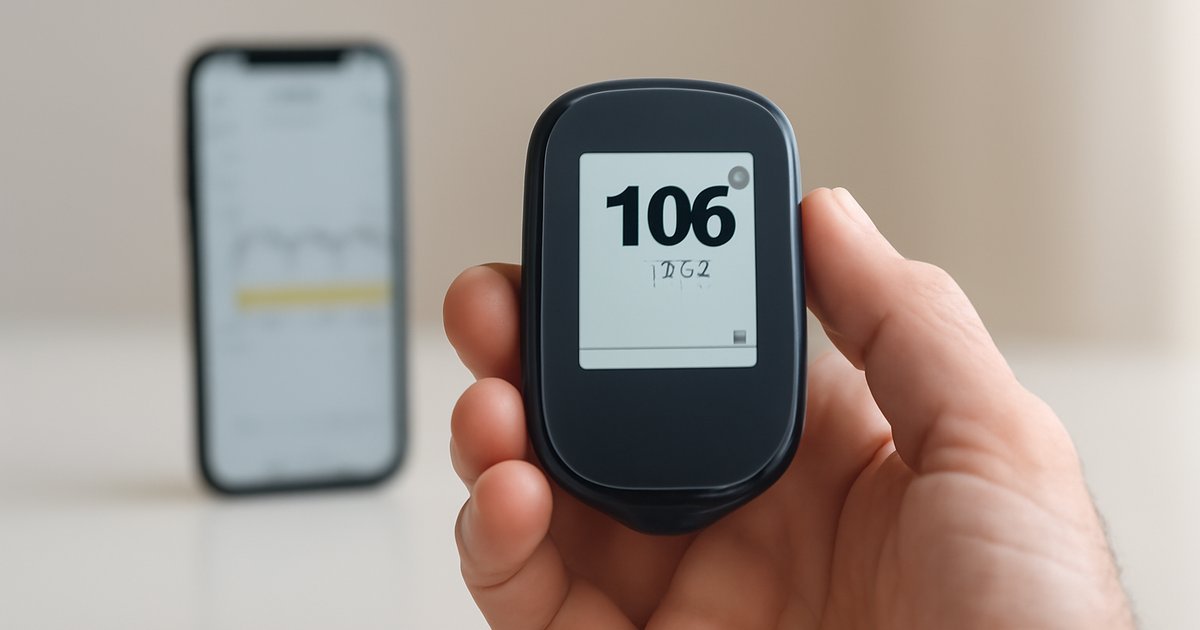
Continuous glucose monitors (CGMs) — devices worn on the skin that track glucose levels in real time — are particularly valuable tools for people who drink. They provide alerts when blood sugar is dropping, even during sleep. For a comprehensive understanding of monitoring tools available to you, our guide on Blood Sugar Monitoring for Type 2 Diabetes covers CGMs, fingerstick devices, and how to interpret your readings.
Your doctor may also monitor your A1C (a measure of average blood sugar over 2-3 months) more closely if you drink regularly, since chronic alcohol use is associated with greater A1C variability and harder-to-control blood sugar levels.
Treatment and Management: Drinking More Safely With Diabetes
The American Diabetes Association does not tell all people with diabetes to abstain from alcohol entirely — but it does provide clear guidelines for those who choose to drink. Here is what clinical evidence supports:
Stick to moderate drinking limits. The ADA recommends no more than one drink per day for women and two drinks per day for men. One standard drink equals 12 oz of regular beer, 5 oz of wine, or 1.5 oz of spirits.
Never drink on an empty stomach. Always consume alcohol with a meal or substantial snack containing protein, fat, and complex carbohydrates. This slows alcohol absorption and helps buffer blood sugar drops.
Choose lower-carbohydrate options. Dry wines, light beers, and spirits mixed with sparkling water or club soda are preferable to sweet cocktails, sugary mixers, or craft beers, which can contain 20-30 grams of carbohydrates per serving and cause unpredictable blood sugar spikes.
Avoid binge drinking entirely. Consuming four or more drinks in a short period overwhelms the liver’s capacity and dramatically increases hypoglycemia risk over the next several hours. Research suggests that even one heavy episode can destabilize blood sugar control for more than 24 hours.
Tell someone you trust. When you’re out, let a friend or family member know you have diabetes. Make sure they know the signs of hypoglycemia and what to do — including calling 911 if you become unconscious.
Talk to your pharmacist and doctor about your medications. Some diabetes medications interact with alcohol beyond hypoglycemia risk. Metformin, for example, carries a rare but serious risk of lactic acidosis (a dangerous buildup of lactic acid in the blood) in people who drink heavily or have liver disease. Your healthcare provider can help you understand your specific medication interactions.
Pair these strategies with a well-structured eating plan. Our resource on Diabetes Meal Planning: Build a Plate That Controls Blood Sugar can help you build meals that provide a stable glucose foundation — especially on days when you plan to drink.
Living With Diabetes: Long-Term Alcohol and Complication Risk
Beyond blood sugar swings, regular alcohol use affects the long-term trajectory of diabetes and its complications in several important ways.
Heart health: People with diabetes already face two to four times the risk of cardiovascular disease compared to those without, according to the American Heart Association. Heavy alcohol use raises blood pressure, increases triglycerides, and contributes to irregular heart rhythms — all of which worsen cardiovascular risk. Moderate alcohol consumption has been studied for potential heart-protective effects, but most cardiologists and endocrinologists advise against drinking for heart health, particularly in people who already have elevated risk.
Liver health: The liver plays a central role in both glucose metabolism and detoxification. Non-alcoholic fatty liver disease (NAFLD) — which is closely linked to insulin resistance — is already common in people with type 2 diabetes. Adding alcohol to the equation can accelerate liver damage and worsen insulin resistance further.
Nerve health: Diabetic peripheral neuropathy (nerve damage, often in the feet and legs) is a complication affecting up to 50% of people with diabetes over their lifetime, according to the NIH. Alcohol is itself a neurotoxin and can accelerate nerve damage independently of blood sugar control — making it a particularly harmful combination for people already managing neuropathy.
Mental health: Research published in Diabetes Care found that depression is two to three times more common in people with diabetes than in the general population. Alcohol is a central nervous system depressant, and while it may feel like it reduces stress or anxiety in the short term, regular use worsens depression and anxiety over time — making diabetes self-management harder. Stress itself worsens blood sugar control, as explored in our article on how cortisol and stress affect metabolic health.
When to Call Your Doctor — and When to Call 911
Some situations require immediate emergency response. Do not wait to call 911 if someone with diabetes who has been drinking shows any of the following:
- Loss of consciousness or unresponsiveness
- Seizure
- Extreme confusion or inability to communicate
- Blood sugar below 50 mg/dL that does not respond to oral glucose treatment
- Severe vomiting that prevents oral treatment for low blood sugar
Call your doctor — non-emergently but promptly — if you notice:
- Repeated hypoglycemic episodes after drinking, even mild ones
- Greater-than-usual difficulty controlling blood sugar on days following alcohol use
- Signs of worsening neuropathy, such as increased numbness or tingling in the feet
- Any signs of liver problems: yellowing skin, dark urine, abdominal pain
- You feel you cannot reduce or stop drinking even when you want to
That last point matters significantly. The NIAAA estimates that approximately 14.5 million Americans aged 12 and older have alcohol use disorder. If alcohol has become difficult to control, speaking honestly with your doctor opens the door to effective, evidence-based treatment options — including behavioral therapy and FDA-approved medications — without judgment.
Frequently Asked Questions
Can people with type 2 diabetes drink alcohol at all?
Many people with well-controlled type 2 diabetes can consume alcohol in moderation — one drink per day for women, two for men — according to ADA guidelines. However, this varies significantly depending on your medications, kidney and liver health, and current blood sugar control. Always discuss this with your physician before drinking.
Does alcohol raise or lower blood sugar?
Both, depending on timing and what you drink. In the short term, sugary alcoholic beverages can raise blood sugar. Over the following hours, alcohol suppresses the liver’s ability to release stored glucose, which can cause a significant and dangerous drop in blood sugar — especially overnight. This two-phase effect makes monitoring critical.
What is the safest alcoholic drink for someone with diabetes?
Clinical evidence suggests that dry wines, light beers, and spirits mixed with zero-calorie mixers (like sparkling water or diet soda) have less impact on blood sugar than sweet cocktails, regular beer, or sugary mixed drinks. However, no alcohol is entirely safe, and individual responses vary significantly. This varies from person to person based on metabolism, medications, and overall health.
How long does alcohol affect blood sugar after drinking?
Research suggests the liver’s glucose-releasing function can be impaired for up to 12-24 hours after drinking. This means a person with diabetes may experience hypoglycemia the morning after a night of drinking — even without feeling intoxicated. Monitoring blood sugar the following morning is strongly recommended.
Should I adjust my diabetes medication when I drink?
Never adjust your medication dose on your own based on alcohol consumption. Speak with your doctor or pharmacist about your specific situation. Some adjustments may be appropriate, but this decision requires medical supervision and depends on your specific drug regimen, kidney function, and glucose control history.
Conclusion
Alcohol and diabetes can coexist — but only with knowledge, planning, and honest conversations with your healthcare team. The risks are real and specific: hypoglycemia that looks like intoxication, overnight blood sugar crashes, worsening nerve damage, and harder-to-control A1C levels. But the risks are also manageable when you understand them.
You don’t have to feel isolated or uncertain about this topic. Bring your questions about alcohol to your next doctor’s appointment. Be honest about how much and how often you drink. Ask about your specific medications and what interactions matter for you.
With the right information and the right support team, you can make informed choices that protect your health — without sacrificing your quality of life.
Medical Disclaimer: This article is for informational and educational purposes only. It does not constitute medical advice, diagnosis, or treatment. Always consult your physician or a qualified healthcare provider before making changes to your health routine or treatment plan.
Medically reviewed by our editorial health team. Content follows evidence-based standards aligned with CDC and NIH guidelines.