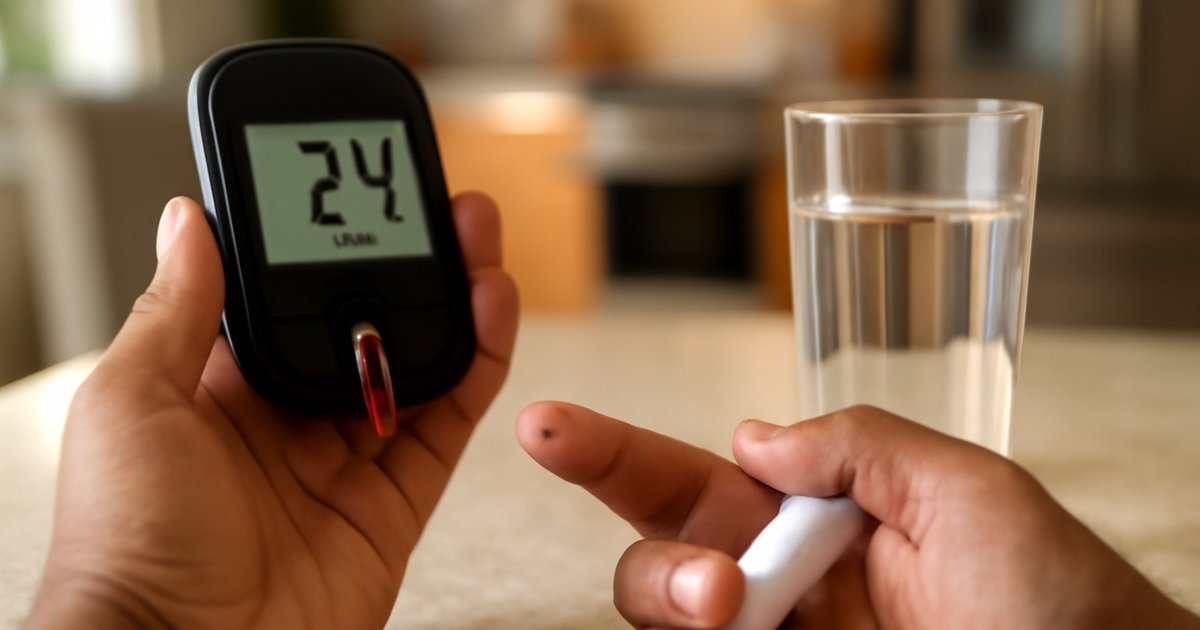
Diabetic Ketoacidosis: Symptoms, Causes & Prevention
DKA is one of the most dangerous — and preventable — diabetes emergencies. Here’s what every person with diabetes needs to know.
Introduction
Mark, 44, had been managing Type 1 diabetes for over a decade. One winter, a flu that wouldn’t quit left him vomiting and too nauseous to eat. He assumed skipping meals meant he didn’t need insulin. Within 24 hours, he was in the emergency room with diabetic ketoacidosis — a life-threatening condition he later admitted he barely understood, despite living with diabetes for years.
He’s not alone. According to the CDC, diabetic ketoacidosis (DKA) accounts for approximately 160,000 hospitalizations per year in the United States, with a mortality rate that climbs significantly when treatment is delayed. Yet many people with diabetes — and even some newly diagnosed individuals — don’t fully understand what triggers it, how to recognize it early, or what to do when warning signs appear.
This guide covers everything you need to know about DKA: what it is, why it happens, how it’s treated, and — most importantly — how to prevent it from becoming a crisis in the first place.
What Is Diabetic Ketoacidosis?
Diabetic ketoacidosis is a serious, potentially life-threatening complication of diabetes that occurs when the body produces dangerously high levels of ketones — acidic byproducts of fat breakdown — while blood sugar levels are also critically elevated.
Here’s the basic biology: your cells need insulin to absorb glucose (blood sugar) for energy. When insulin is severely deficient or completely absent, your body can’t use glucose efficiently. Instead, it starts breaking down fat for fuel. That fat breakdown produces ketones. When ketones accumulate too quickly, they make the blood acidic — a state called ketoacidosis.
Think of it as a metabolic emergency where multiple systems fail at once: high blood sugar, dehydration, electrolyte imbalance, and acid buildup all happening simultaneously.
DKA is most common in people with Type 1 diabetes, but it can also occur in people with Type 2 diabetes, particularly during severe illness, infection, or prolonged insulin deficiency. According to the American Diabetes Association (ADA), DKA can develop within hours under the right — or rather, wrong — conditions.
The condition is serious, but it is also highly preventable with the right knowledge and monitoring habits.
Signs and Symptoms of DKA
One of the most important things to understand about DKA is that it usually doesn’t appear out of nowhere. There’s typically a warning window — hours in which early symptoms signal that something is wrong. Recognizing those signals early can make the difference between outpatient management and an ICU stay.
Early warning signs:
- Blood sugar consistently above 250 mg/dL
- Increased thirst and dry mouth
- Frequent urination
- Fatigue or unusual weakness
- Mild nausea
- Headache
- Presence of ketones in urine (detectable with at-home test strips)
Advanced signs — seek emergency care immediately:
- Vomiting that prevents keeping fluids down
- Severe abdominal pain
- Deep, labored, or fruity-smelling breath (called Kussmaul breathing)
- Extreme confusion or difficulty concentrating
- Blurred vision
- Loss of consciousness
That fruity-smelling breath is a classic DKA sign caused by acetone — one of the ketones being exhaled through the lungs. If you or someone around you with diabetes has that scent along with vomiting or confusion, call 911 immediately.
A 2022 analysis published in collaboration with NIH-affiliated researchers found that patients who presented to emergency departments with advanced DKA symptoms — particularly altered mental status — had significantly longer recovery times and higher rates of complications compared to those who sought care during the early warning phase.
Causes and Risk Factors
DKA doesn’t just happen randomly. There are almost always identifiable triggers. Understanding them gives you a meaningful advantage in preventing the condition.
Most common causes:
- Missed or insufficient insulin: This is the leading cause. Whether it’s a skipped dose, a malfunctioning insulin pump, or deliberately reduced doses during illness, inadequate insulin sets the DKA cascade in motion.
- Illness or infection: When you’re sick, stress hormones like cortisol and glucagon surge — and they counter insulin’s effects. Even if you’re eating less, your insulin needs may actually increase during illness.
- Newly diagnosed or undiagnosed Type 1 diabetes: DKA is sometimes the first sign that someone has Type 1 diabetes, particularly in children and young adults.
- Insulin pump failure: Because pump users receive no long-acting insulin backup, a blocked or disconnected infusion set can trigger DKA within hours.
Risk factors that increase vulnerability:
- Type 1 diabetes diagnosis
- History of prior DKA episodes
- Limited access to healthcare or insulin (a significant public health issue in the US)
- Alcohol or drug use, which can mask symptoms or interrupt insulin routines
- Psychological barriers to diabetes self-management, including diabetes burnout
- Certain medications, including some SGLT2 inhibitors (a class of diabetes drugs), which can trigger a variant called euglycemic DKA — where blood sugars appear normal, but ketones are still dangerously elevated
According to the CDC, the risk of DKA hospitalization is disproportionately higher among uninsured and underinsured Americans — a sobering reminder that access to insulin and consistent care are central to prevention.
If you’re managing your diabetes with SGLT2 inhibitors, talk to your doctor about your specific DKA risk. This varies from person to person based on your diabetes type, current health status, and medications.
Diagnosis: What to Expect
If DKA is suspected, diagnosis is typically confirmed through a combination of blood and urine tests. Here’s what healthcare providers look for:
Blood tests:
- Blood glucose: Usually above 250 mg/dL, though euglycemic DKA can present with lower readings
- Blood ketones or beta-hydroxybutyrate: Elevated levels confirm ketoacidosis
- Arterial blood gas (ABG): Measures blood pH — a pH below 7.3 indicates acidosis
- Basic metabolic panel: Checks electrolytes (especially potassium and sodium), kidney function, and bicarbonate levels
Urine tests:
- Urinalysis for ketones and glucose
At home, if you have diabetes and your blood sugar is above 250 mg/dL and you feel unwell, the Mayo Clinic recommends testing for ketones using over-the-counter urine strips. If your ketone levels are moderate to high and you’re experiencing symptoms, do not wait — go to the emergency room or call your diabetes care team immediately.
Doctors will also look for the underlying trigger — typically ordering a chest X-ray, blood cultures, or other tests if infection is suspected. Finding and treating the root cause is as important as treating the DKA itself.
Treatment Options
DKA requires prompt medical treatment. It cannot be managed safely at home once it has progressed. Treatment is typically administered in a hospital emergency setting and involves three core pillars:
1. Intravenous (IV) Fluid Replacement
Dehydration is a hallmark of DKA. Large volumes of IV saline are administered to restore fluid balance, lower blood sugar, and dilute ketone concentration. Clinical evidence indicates that fluid resuscitation is often the single most impactful first step in stabilizing a DKA patient.
2. Insulin Therapy
IV insulin is given continuously to stop ketone production and lower blood glucose gradually. Physicians carefully monitor the rate because dropping blood sugar too quickly carries its own risks, including cerebral edema (brain swelling), particularly in children and adolescents.
3. Electrolyte Replacement
As insulin drives glucose into cells, potassium follows. This can cause dangerous drops in potassium levels (hypokalemia), which can affect heart rhythm. Potassium, sodium, and phosphate are closely monitored and replaced as needed throughout treatment.
According to Johns Hopkins Medicine, most adults with moderate DKA recover within 24 to 48 hours with appropriate hospital treatment. However, recovery time varies significantly based on the severity of the episode, the patient’s age, and any underlying complications.
After acute treatment, the focus shifts to identifying what triggered the episode and adjusting the diabetes management plan to prevent recurrence. This often involves revisiting insulin dosing strategies, education on sick-day management rules, and, in some cases, support for mental health aspects of living with diabetes.
Living With Diabetes and Preventing DKA
Prevention is where you have the most power. Research suggests that consistent self-management habits dramatically reduce DKA risk — even for people with Type 1 diabetes who are insulin-dependent every day.
Stick to your sick-day rules
Many DKA episodes are triggered by illness. The critical mistake people make is reducing insulin because they’re not eating. This is almost always wrong. Your insulin needs often increase during illness due to stress hormones. Your care team can help you establish personalized sick-day guidelines — including when to test ketones, how to adjust doses, and when to call for help.
Monitor blood sugar consistently
Catching rising blood sugar before it becomes critical gives you time to act. Continuous glucose monitors (CGMs) have been shown in clinical studies to significantly reduce DKA hospitalizations among Type 1 diabetes patients by providing real-time alerts. If you use an insulin pump, checking ketones when your glucose unexpectedly rises is part of best-practice management. For more on how monitoring impacts diabetes outcomes, see our guide on Exercise and Blood Sugar Control: A Type 2 Diabetes Guide.
Never skip insulin doses without medical guidance
Financial hardship is a real barrier in the US — and it’s one of the leading drivers of preventable DKA hospitalizations. If you’re struggling to afford insulin, talk to your care team about patient assistance programs, generic alternatives, or community health center resources. The ADA maintains a dedicated insulin access program guide.
Keep ketone test strips at home
Urine or blood ketone strips are inexpensive and can catch early DKA before it becomes an emergency. Most physicians recommend checking ketones any time your blood sugar is above 250 mg/dL and doesn’t come down with a correction dose, or any time you feel unwell.
Address the mental health piece
Diabetes management is emotionally demanding. Burnout, avoidance of monitoring, and disordered eating patterns are all associated with increased DKA risk. If you’re struggling to maintain your routine, speaking with a mental health professional familiar with chronic illness can be genuinely protective. Many people find that addressing the psychological burden of diabetes improves their physical outcomes significantly.
For those managing complications already linked to long-standing blood sugar issues, our detailed overview of Diabetic Neuropathy: Symptoms, Causes & Management provides additional context on how consistent glucose management protects against diabetes-related damage over time.
When to Call Your Doctor — and When to Call 911
Knowing when to escalate is critical. Here’s a practical breakdown:
Call your diabetes care team (same day) if:
- Your blood sugar is above 250 mg/dL and isn’t responding to correction doses
- You have small to moderate ketones but are not vomiting and can keep fluids down
- You’re sick and unsure whether to adjust your insulin
- Your insulin pump appears to be malfunctioning
Go to the emergency room or call 911 immediately if:
- You have moderate to large ketones AND vomiting
- You can’t keep any fluids down for more than two hours
- You’re experiencing confusion, extreme weakness, or difficulty staying awake
- Blood sugar remains critically high (above 300 mg/dL) and ketones are rising
- Someone with diabetes loses consciousness
- You notice fruity or acetone-like breath in yourself or someone else with diabetes
When speaking to your doctor at your next routine visit, it’s worth discussing your personalized DKA action plan. Ask specifically about your threshold for seeking emergency care, your sick-day insulin adjustments, and what ketone level should prompt you to call the after-hours line.
Frequently Asked Questions
Can people with Type 2 diabetes get DKA?
Yes, though it is less common than in Type 1 diabetes. Type 2 diabetes patients are most at risk during severe illness, significant physiological stress, or if they’ve been prescribed SGLT2 inhibitors (a class of diabetes medication). Euglycemic DKA — where ketones are high but blood sugar appears normal — is a specific concern with this drug class. Always discuss your individual risk with your provider.
How quickly can DKA develop?
In people with Type 1 diabetes, DKA can progress from early warning signs to a medical emergency in as little as 6 to 12 hours, particularly if vomiting prevents adequate hydration. For this reason, acting early at the first signs — rather than waiting to see if things improve — is always the right call.
Is DKA the same as hypoglycemia?
No. These are opposite emergencies. Hypoglycemia involves dangerously low blood sugar (below 70 mg/dL) and is typically caused by too much insulin or missed meals. DKA involves high blood sugar with ketone buildup from insufficient insulin. The symptoms and treatments are very different, which is why checking your blood sugar first is essential before deciding how to respond.
Can I prevent DKA if I have Type 1 diabetes?
In most cases, yes. Clinical evidence strongly supports that consistent blood sugar monitoring, following sick-day management rules, never skipping insulin without medical guidance, and having a clear action plan dramatically reduce DKA risk. Continuous glucose monitors and real-time ketone monitoring tools have improved prevention outcomes significantly in recent years.
What is the recovery like after a DKA episode?
Most people recover well with prompt treatment, though fatigue, mental fog, and weakness may persist for several days after discharge. Your care team will typically schedule follow-up within one to two weeks to review what triggered the episode and update your diabetes management plan. This follow-up visit is critically important — DKA recurrence rates are meaningfully reduced when the underlying cause is identified and addressed.
Conclusion
Diabetic ketoacidosis is serious — but it is not inevitable. With consistent monitoring, a clear understanding of your warning signs, and a practiced sick-day action plan, most DKA episodes can be prevented or caught early enough to avoid hospitalization.
The most important thing you can do today is have a frank conversation with your diabetes care team about your personal DKA risk, your ketone monitoring routine, and exactly what steps to take if your blood sugar stops responding to treatment. Knowledge, preparation, and access to care are your best defenses.
Living with diabetes — whether Type 1 or Type 2 — requires ongoing vigilance, but it also means you have real power to protect yourself. Use it.
For a broader look at how daily habits connect to your blood sugar control, explore our resource on Exercise and Blood Sugar Control: A Type 2 Diabetes Guide.
Medical Disclaimer: This article is for informational and educational purposes only. It does not constitute medical advice, diagnosis, or treatment. Always consult your physician or a qualified healthcare provider before making changes to your health routine or treatment plan.
Medically reviewed by our editorial health team. Content follows evidence-based standards aligned with CDC and NIH guidelines.
Leave a Reply