
Tag: diabetes complications

  • Diabetes and Kidney Disease: Protect Your Kidneys Now

    Diabetes and Kidney Disease: Protect Your Kidneys Now

    Diabetes and Kidney Disease: How to Protect Your Kidneys

    Diabetic kidney disease is the leading cause of kidney failure in the United States — but early detection and consistent management can dramatically slow its progression.

    Introduction

    Marcus, 54, had managed his type 2 diabetes for nearly a decade. He took his metformin regularly, watched his carbohydrate intake, and kept his A1C reasonably controlled. What he didn’t know — until a routine lab panel revealed it — was that his kidneys had been quietly losing function for years.

    His story is far from unique. According to the CDC, approximately 1 in 3 adults with diabetes will develop chronic kidney disease (CKD), also called diabetic nephropathy. That’s more than 10 million Americans silently walking around with kidney damage linked directly to their blood sugar levels.

    In this guide, you’ll learn what diabetic kidney disease actually is, how it develops, what early warning signs to watch for, and — most importantly — what steps you can take right now to protect your kidneys and preserve your long-term health. Whether you’ve just been diagnosed with diabetes or you’ve been managing it for years, this information could make a critical difference.


    What Is Diabetic Kidney Disease?

    Diabetic kidney disease, also known as diabetic nephropathy, is a type of chronic kidney disease caused by long-term damage from elevated blood sugar levels. Your kidneys contain millions of tiny filtering units called glomeruli — and high glucose in the bloodstream gradually damages these delicate structures, making them less effective at filtering waste from your blood.

    Over time, proteins that should stay in the blood begin to leak into the urine (a condition called proteinuria or albuminuria), and the kidneys’ overall filtering capacity — measured as glomerular filtration rate, or GFR — declines. Without intervention, this can progress to end-stage renal disease (ESRD), which requires dialysis or a kidney transplant to survive.

    The National Institute of Diabetes and Digestive and Kidney Diseases (NIDDK) reports that diabetes is the number one cause of kidney failure in the United States, accounting for nearly 44% of all new ESRD cases each year. This makes diabetic nephropathy not just a complication of diabetes — it’s a public health crisis.

    Both type 1 and type 2 diabetes can cause kidney disease, though type 2 diabetes accounts for the vast majority of cases simply because it’s far more prevalent. The risk increases significantly the longer someone has had diabetes and the less controlled their blood sugar has been over time.


    Signs and Symptoms of Diabetic Kidney Disease

    One of the most dangerous aspects of diabetic nephropathy is that it produces no noticeable symptoms in its early stages. Most people feel completely normal while kidney function is quietly declining — which is why routine screening is so essential for anyone with diabetes.

    Early warning signs (often detected only through lab tests):

    • Microalbuminuria — small amounts of a protein called albumin appearing in urine (this is the earliest detectable sign)
    • Slightly elevated blood pressure readings
    • Mildly reduced GFR on blood work
    • No physical symptoms at all in most cases

    Signs as kidney disease progresses (moderate to advanced):

    • Foamy or bubbly urine (due to excess protein)
    • Swelling (edema) in the feet, ankles, hands, or face
    • Increased fatigue or weakness
    • Loss of appetite or nausea
    • Itchy skin or muscle cramps
    • Difficulty concentrating
    • More frequent urination, especially at night

    Advanced or emergency warning signs:

    • Severe shortness of breath
    • Confusion or mental fogginess
    • Very little or no urination
    • Chest pain or pressure

    A 2023 analysis published through NIH-affiliated research confirmed that patients who are screened annually for albuminuria are significantly more likely to receive timely interventions that slow kidney disease progression. Don’t wait for symptoms — ask your doctor for this test at your next visit.


    Causes and Risk Factors

    The primary driver of diabetic kidney disease is chronically elevated blood glucose — but several overlapping factors accelerate kidney damage and determine who is most at risk.

    Metabolic and disease-related risk factors:

    • Poor long-term blood sugar control: Higher average A1C over years directly correlates with faster kidney decline
    • High blood pressure (hypertension): Affects roughly 70% of adults with type 2 diabetes and is a major independent cause of kidney damage
    • High cholesterol and triglycerides: Lipid abnormalities contribute to blood vessel damage in the kidneys
    • Duration of diabetes: The longer someone has had the condition, the higher the cumulative risk
    • Obesity: Excess body weight increases pressure on the kidneys and worsens insulin resistance

    Genetic and demographic risk factors:

    • Family history of kidney disease or diabetes
    • Race and ethnicity — African Americans, Hispanic Americans, and Native Americans have significantly higher rates of diabetic ESRD, according to the CDC
    • Being over age 50

    Lifestyle risk factors:

    • Smoking — which reduces blood flow to the kidneys and speeds decline
    • High dietary sodium intake, which drives up blood pressure
    • Sedentary lifestyle
    • Frequent use of NSAIDs (such as ibuprofen) without medical supervision

    It’s worth noting that this varies significantly from person to person. Some individuals with decades of diabetes maintain excellent kidney function, while others develop nephropathy within years. Your individual risk profile is best assessed with your healthcare team.


    Diagnosis: What to Expect

    Diagnosing diabetic kidney disease typically involves two key tests that your primary care physician or endocrinologist can order as part of your routine diabetes care.

    Urine albumin-to-creatinine ratio (UACR): This simple urine test measures the amount of albumin (a protein) leaking into your urine. A ratio above 30 mg/g on at least two out of three tests — taken over three months — indicates kidney damage. This is often the earliest sign of nephropathy, detectable years before other symptoms appear.

    Estimated GFR (eGFR): This blood test measures how well your kidneys are filtering waste. A normal eGFR is above 60 mL/min/1.73m². Values below this threshold, sustained over three months, indicate chronic kidney disease. The lower the number, the more impaired the kidney function.

    Additional tests your doctor may order include:

    • Comprehensive metabolic panel (checking creatinine, BUN, and electrolytes)
    • Blood pressure monitoring
    • Lipid panel
    • Kidney ultrasound (to rule out structural problems)

    The American Diabetes Association (ADA) recommends that all adults with type 2 diabetes be screened for kidney disease at diagnosis and every year thereafter. For type 1 diabetes, annual screening should begin five years after diagnosis. If you haven’t been screened recently, talk to your doctor — this is one of the most important tests you can get.


    Treatment Options for Diabetic Kidney Disease

    The good news is that diabetic kidney disease is highly treatable — especially when caught early. A combination of medication management, blood sugar optimization, and lifestyle changes can significantly slow or even stabilize kidney function decline.

    Medications shown to protect the kidneys:

    • ACE inhibitors and ARBs: These blood pressure medications (such as lisinopril or losartan) have a dual benefit — they lower blood pressure AND reduce protein leakage in the urine. Most physicians recommend them as first-line treatment for diabetic kidney disease, even in patients without high blood pressure.
    • SGLT2 inhibitors: A class of diabetes medications that clinical evidence indicates can reduce kidney disease progression, lower the risk of kidney failure, and provide cardiovascular protection. Major trials such as the CREDENCE and DAPA-CKD studies demonstrated significant renal benefits in patients with diabetic nephropathy.
    • GLP-1 receptor agonists: Research suggests these medications may also offer kidney-protective effects alongside blood sugar and weight management benefits.
    • Finerenone (Kerendia): A newer medication approved by the FDA that clinical trials show reduces the risk of kidney disease progression and cardiovascular events in adults with CKD and type 2 diabetes.

    Blood sugar and blood pressure targets:

    Most physicians recommend keeping A1C below 7% for most adults with diabetes to minimize kidney damage risk. Blood pressure targets are generally below 130/80 mmHg for people with diabetes and CKD, per ADA guidelines.

    Lifestyle modifications as a powerful complement:

    • Reducing dietary sodium to under 2,300 mg per day (or lower if recommended by your physician)
    • Following a kidney-friendly diet — often lower in protein, phosphorus, and potassium at advanced CKD stages
    • Quitting smoking — research consistently shows smokers with diabetic nephropathy lose kidney function faster
    • Regular moderate exercise, which improves insulin sensitivity and supports blood pressure control
    • Maintaining a healthy weight

    For more detail on how diabetes and cardiovascular risk interact — since heart and kidney health are closely linked — see our guide on Diabetes and Heart Disease: Protecting Your Heart.


    Living With Diabetic Kidney Disease: Daily Management and Prevention

    Managing diabetic kidney disease is a long game — and the daily habits you build have a compounding effect on your kidney health over years and decades.

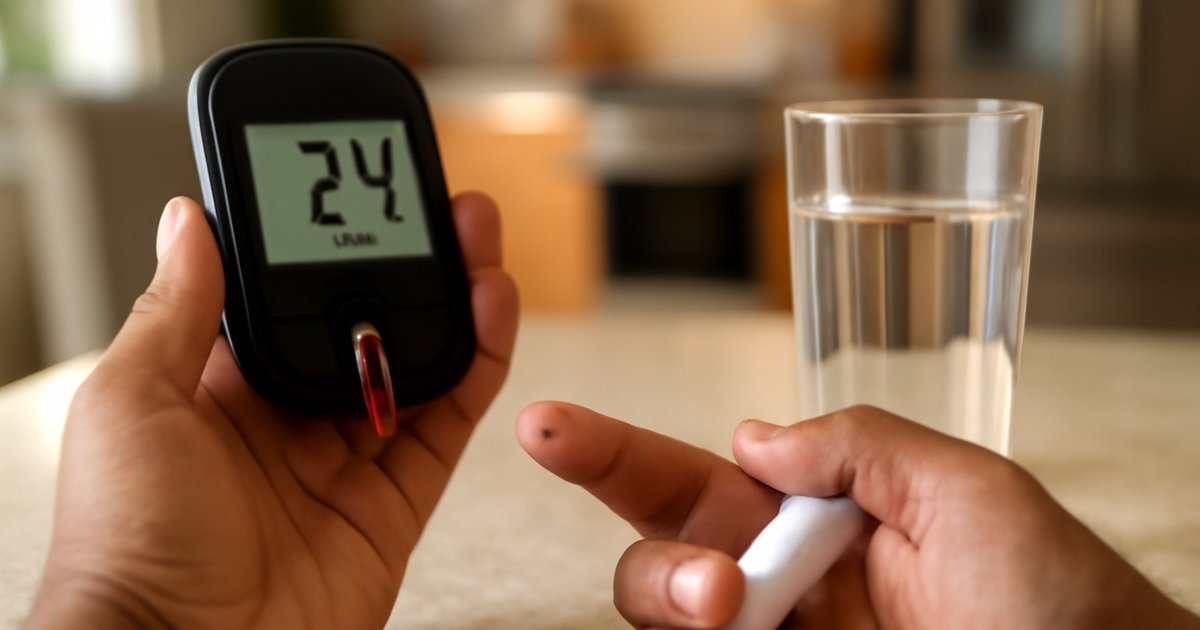
    Monitor your blood sugar consistently. Whether you use a traditional glucometer or a continuous glucose monitor (CGM), staying on top of daily blood sugar fluctuations helps you and your care team make smarter decisions. You can read more about best practices in our related article on Diabetic Ketoacidosis: Symptoms, Causes & Prevention.

    Stay hydrated — but ask your doctor about fluid intake limits. At early CKD stages, adequate hydration supports kidney function. At later stages, your nephrologist may recommend fluid restrictions. This is highly individual.

    Avoid nephrotoxic substances. Certain medications and supplements can be hard on the kidneys. Always check with your doctor before taking any over-the-counter pain relievers, herbal supplements, or contrast dyes used in imaging procedures.

    Keep all specialist appointments. If your eGFR drops below 45, your primary care physician will likely refer you to a nephrologist (kidney specialist). This referral is important — don’t delay it. Collaborative care between your endocrinologist and nephrologist is the standard of care for advanced diabetic nephropathy.

    Prevention for those not yet diagnosed with CKD:

    • Get your annual UACR and eGFR tests without fail
    • Prioritize A1C control from the day of diagnosis — every percentage point matters
    • Treat hypertension aggressively and consistently
    • Ask your doctor whether an SGLT2 inhibitor is appropriate for you, given its kidney-protective benefits
    • Eliminate tobacco use completely

    A landmark finding from the UKPDS (United Kingdom Prospective Diabetes Study) demonstrated that intensive blood sugar control in the years immediately following a type 2 diabetes diagnosis produced lasting kidney-protective effects — even years later. Early action truly pays off.


    When to Call Your Doctor — and Emergency Red Flags

    While most diabetic kidney disease progresses slowly, certain symptoms warrant prompt medical attention. Knowing the difference between a routine concern and a medical emergency could save your life or your kidneys.

    Schedule a call or same-day appointment if you notice:

    • Sudden swelling in your legs, ankles, or feet
    • Foamy or discolored urine
    • Significant decrease in how much you urinate
    • Unexplained fatigue, nausea, or loss of appetite lasting more than a few days
    • Blood pressure readings consistently above 140/90 at home
    • Any new medication — prescription or OTC — that you’re unsure is safe for your kidneys

    Go to the emergency room immediately if you experience:

    • Sudden severe shortness of breath or chest pain
    • Confusion, difficulty speaking, or sudden extreme weakness
    • Complete or near-complete stoppage of urination
    • Severe vomiting that prevents you from keeping medications or fluids down
    • Sudden dramatic spike in blood pressure (hypertensive crisis)

    What to tell your doctor at your next visit:

    Bring your home blood pressure log if you have one. Ask specifically for your most recent UACR and eGFR values — and ask what the trend looks like compared to past years. Ask whether your current diabetes medications are the best choices given your kidney function. Be proactive: your kidneys can’t speak for themselves.


    Frequently Asked Questions

    Q: Can you reverse diabetic kidney disease?
    A: In the very earliest stage — called hyperfiltration, or stage G1 with microalbuminuria — research suggests that aggressive blood sugar and blood pressure control can reduce protein leakage and potentially stabilize kidney function. However, once significant structural kidney damage has occurred, the goal shifts to slowing progression rather than reversal. Early detection is critical precisely because of this.

    Q: How fast does diabetic kidney disease progress?
    A: Progression varies significantly from person to person and depends heavily on how well blood sugar, blood pressure, and other risk factors are managed. Some individuals maintain stable kidney function for decades; others progress to advanced CKD within 10 to 15 years of diabetes onset. Consistent treatment and monitoring can dramatically slow the timeline.

    Q: Is dialysis inevitable if I have diabetic nephropathy?
    A: No — dialysis is not an inevitable outcome. Many people with diabetic kidney disease never reach end-stage renal disease, particularly when the condition is caught early and managed effectively. However, without proper treatment, the risk of progression to dialysis is real. That’s why working closely with your healthcare team is essential.

    Q: Are there specific foods I should avoid to protect my kidneys with diabetes?
    A: At early CKD stages, the ADA and NIDDK recommend a diet low in sodium, refined carbohydrates, and ultra-processed foods. At more advanced stages, a registered dietitian specializing in kidney health (a renal dietitian) may recommend limiting foods high in potassium (like bananas and potatoes) and phosphorus (like processed foods and dark sodas). Dietary needs become more personalized as CKD progresses — always work with your care team.

    Q: Can I take ibuprofen or other NSAIDs if I have diabetic kidney disease?
    A: Most physicians recommend avoiding regular use of NSAIDs (such as ibuprofen, naproxen, or aspirin in anti-inflammatory doses) in patients with CKD, as they can reduce blood flow to the kidneys and accelerate damage. Always check with your doctor or pharmacist before taking any over-the-counter pain reliever if you have diabetes or kidney disease.


    Conclusion

    Diabetic kidney disease is one of the most serious — and most preventable — complications of diabetes. The fact that it causes no symptoms in its early stages makes it easy to overlook, but the tools to detect and manage it are right there in your annual lab work.

    You don’t have to accept kidney disease as an inevitable part of having diabetes. With consistent monitoring, the right medications, strategic lifestyle changes, and a proactive partnership with your healthcare team, you can protect your kidneys for years — and decades — to come.

    Marcus, from the beginning of this article, went on to work with his nephrologist and endocrinologist together. His eGFR stabilized. His story doesn’t have to be exceptional — it can be yours too.

    Talk to your doctor today. Ask for your numbers. Take the next step.


    This article is for informational and educational purposes only. It does not constitute medical advice, diagnosis, or treatment. Always consult your physician or a qualified healthcare provider before making changes to your health routine or treatment plan.

    Medically reviewed by our editorial health team. Content follows evidence-based standards aligned with CDC and NIH guidelines.

  • Diabetic Ketoacidosis: Symptoms, Causes & Prevention

    Diabetic Ketoacidosis: Symptoms, Causes & Prevention

    Diabetic Ketoacidosis: Symptoms, Causes & Prevention

    DKA is one of the most dangerous — and preventable — diabetes emergencies. Here’s what every person with diabetes needs to know.

    Introduction

    Mark, 44, had been managing Type 1 diabetes for over a decade. One winter, a flu that wouldn’t quit left him vomiting and too nauseous to eat. He assumed skipping meals meant he didn’t need insulin. Within 24 hours, he was in the emergency room with diabetic ketoacidosis — a life-threatening condition he later admitted he barely understood, despite living with diabetes for years.

    He’s not alone. According to the CDC, diabetic ketoacidosis (DKA) accounts for approximately 160,000 hospitalizations per year in the United States, with a mortality rate that climbs significantly when treatment is delayed. Yet many people with diabetes — and even some newly diagnosed individuals — don’t fully understand what triggers it, how to recognize it early, or what to do when warning signs appear.

    This guide covers everything you need to know about DKA: what it is, why it happens, how it’s treated, and — most importantly — how to prevent it from becoming a crisis in the first place.

    What Is Diabetic Ketoacidosis?

    Diabetic ketoacidosis is a serious, potentially life-threatening complication of diabetes that occurs when the body produces dangerously high levels of ketones — acidic byproducts of fat breakdown — while blood sugar levels are also critically elevated.

    Here’s the basic biology: your cells need insulin to absorb glucose (blood sugar) for energy. When insulin is severely deficient or completely absent, your body can’t use glucose efficiently. Instead, it starts breaking down fat for fuel. That fat breakdown produces ketones. When ketones accumulate too quickly, they make the blood acidic — a state called ketoacidosis.

    Think of it as a metabolic emergency where multiple systems fail at once: high blood sugar, dehydration, electrolyte imbalance, and acid buildup all happening simultaneously.

    DKA is most common in people with Type 1 diabetes, but it can also occur in people with Type 2 diabetes, particularly during severe illness, infection, or prolonged insulin deficiency. According to the American Diabetes Association (ADA), DKA can develop within hours under the right — or rather, wrong — conditions.

    The condition is serious, but it is also highly preventable with the right knowledge and monitoring habits.

    Signs and Symptoms of DKA

    One of the most important things to understand about DKA is that it usually doesn’t appear out of nowhere. There’s typically a warning window — hours in which early symptoms signal that something is wrong. Recognizing those signals early can make the difference between outpatient management and an ICU stay.

    Early warning signs:

    • Blood sugar consistently above 250 mg/dL
    • Increased thirst and dry mouth
    • Frequent urination
    • Fatigue or unusual weakness
    • Mild nausea
    • Headache
    • Presence of ketones in urine (detectable with at-home test strips)

    Advanced signs — seek emergency care immediately:

    • Vomiting that prevents keeping fluids down
    • Severe abdominal pain
    • Deep, labored, or fruity-smelling breath (called Kussmaul breathing)
    • Extreme confusion or difficulty concentrating
    • Blurred vision
    • Loss of consciousness

    That fruity-smelling breath is a classic DKA sign caused by acetone — one of the ketones being exhaled through the lungs. If you or someone around you with diabetes has that scent along with vomiting or confusion, call 911 immediately.

    A 2022 analysis published in collaboration with NIH-affiliated researchers found that patients who presented to emergency departments with advanced DKA symptoms — particularly altered mental status — had significantly longer recovery times and higher rates of complications compared to those who sought care during the early warning phase.

    Causes and Risk Factors

    DKA doesn’t just happen randomly. There are almost always identifiable triggers. Understanding them gives you a meaningful advantage in preventing the condition.

    Most common causes:

    • Missed or insufficient insulin: This is the leading cause. Whether it’s a skipped dose, a malfunctioning insulin pump, or deliberately reduced doses during illness, inadequate insulin sets the DKA cascade in motion.
    • Illness or infection: When you’re sick, stress hormones like cortisol and glucagon surge — and they counter insulin’s effects. Even if you’re eating less, your insulin needs may actually increase during illness.
    • Newly diagnosed or undiagnosed Type 1 diabetes: DKA is sometimes the first sign that someone has Type 1 diabetes, particularly in children and young adults.
    • Insulin pump failure: Because pump users receive no long-acting insulin backup, a blocked or disconnected infusion set can trigger DKA within hours.

    Risk factors that increase vulnerability:

    • Type 1 diabetes diagnosis
    • History of prior DKA episodes
    • Limited access to healthcare or insulin (a significant public health issue in the US)
    • Alcohol or drug use, which can mask symptoms or interrupt insulin routines
    • Psychological barriers to diabetes self-management, including diabetes burnout
    • Certain medications, including some SGLT2 inhibitors (a class of diabetes drugs), which can trigger a variant called euglycemic DKA — where blood sugars appear normal, but ketones are still dangerously elevated

    According to the CDC, the risk of DKA hospitalization is disproportionately higher among uninsured and underinsured Americans — a sobering reminder that access to insulin and consistent care are central to prevention.

    If you’re managing your diabetes with SGLT2 inhibitors, talk to your doctor about your specific DKA risk. This varies from person to person based on your diabetes type, current health status, and medications.

    Diagnosis: What to Expect

    If DKA is suspected, diagnosis is typically confirmed through a combination of blood and urine tests. Here’s what healthcare providers look for:

    Blood tests:

    • Blood glucose: Usually above 250 mg/dL, though euglycemic DKA can present with lower readings
    • Blood ketones or beta-hydroxybutyrate: Elevated levels confirm ketoacidosis
    • Arterial blood gas (ABG): Measures blood pH — a pH below 7.3 indicates acidosis
    • Basic metabolic panel: Checks electrolytes (especially potassium and sodium), kidney function, and bicarbonate levels

    Urine tests:

    • Urinalysis for ketones and glucose

    At home, if you have diabetes and your blood sugar is above 250 mg/dL and you feel unwell, the Mayo Clinic recommends testing for ketones using over-the-counter urine strips. If your ketone levels are moderate to high and you’re experiencing symptoms, do not wait — go to the emergency room or call your diabetes care team immediately.

    Doctors will also look for the underlying trigger — typically ordering a chest X-ray, blood cultures, or other tests if infection is suspected. Finding and treating the root cause is as important as treating the DKA itself.

    Treatment Options

    DKA requires prompt medical treatment. It cannot be managed safely at home once it has progressed. Treatment is typically administered in a hospital emergency setting and involves three core pillars:

    1. Intravenous (IV) Fluid Replacement

    Dehydration is a hallmark of DKA. Large volumes of IV saline are administered to restore fluid balance, lower blood sugar, and dilute ketone concentration. Clinical evidence indicates that fluid resuscitation is often the single most impactful first step in stabilizing a DKA patient.

    2. Insulin Therapy

    IV insulin is given continuously to stop ketone production and lower blood glucose gradually. Physicians carefully monitor the rate because dropping blood sugar too quickly carries its own risks, including cerebral edema (brain swelling), particularly in children and adolescents.

    3. Electrolyte Replacement

    As insulin drives glucose into cells, potassium follows. This can cause dangerous drops in potassium levels (hypokalemia), which can affect heart rhythm. Potassium, sodium, and phosphate are closely monitored and replaced as needed throughout treatment.

    According to Johns Hopkins Medicine, most adults with moderate DKA recover within 24 to 48 hours with appropriate hospital treatment. However, recovery time varies significantly based on the severity of the episode, the patient’s age, and any underlying complications.

    After acute treatment, the focus shifts to identifying what triggered the episode and adjusting the diabetes management plan to prevent recurrence. This often involves revisiting insulin dosing strategies, education on sick-day management rules, and, in some cases, support for mental health aspects of living with diabetes.

    Living With Diabetes and Preventing DKA

    Prevention is where you have the most power. Research suggests that consistent self-management habits dramatically reduce DKA risk — even for people with Type 1 diabetes who are insulin-dependent every day.

    Stick to your sick-day rules

    Many DKA episodes are triggered by illness. The critical mistake people make is reducing insulin because they’re not eating. This is almost always wrong. Your insulin needs often increase during illness due to stress hormones. Your care team can help you establish personalized sick-day guidelines — including when to test ketones, how to adjust doses, and when to call for help.

    Monitor blood sugar consistently

    Catching rising blood sugar before it becomes critical gives you time to act. Continuous glucose monitors (CGMs) have been shown in clinical studies to significantly reduce DKA hospitalizations among Type 1 diabetes patients by providing real-time alerts. If you use an insulin pump, checking ketones when your glucose unexpectedly rises is part of best-practice management. For more on how monitoring impacts diabetes outcomes, see our guide on Exercise and Blood Sugar Control: A Type 2 Diabetes Guide.

    Never skip insulin doses without medical guidance

    Financial hardship is a real barrier in the US — and it’s one of the leading drivers of preventable DKA hospitalizations. If you’re struggling to afford insulin, talk to your care team about patient assistance programs, generic alternatives, or community health center resources. The ADA maintains a dedicated insulin access program guide.

    Keep ketone test strips at home

    Urine or blood ketone strips are inexpensive and can catch early DKA before it becomes an emergency. Most physicians recommend checking ketones any time your blood sugar is above 250 mg/dL and doesn’t come down with a correction dose, or any time you feel unwell.

    Address the mental health piece

    Diabetes management is emotionally demanding. Burnout, avoidance of monitoring, and disordered eating patterns are all associated with increased DKA risk. If you’re struggling to maintain your routine, speaking with a mental health professional familiar with chronic illness can be genuinely protective. Many people find that addressing the psychological burden of diabetes improves their physical outcomes significantly.

    For those managing complications already linked to long-standing blood sugar issues, our detailed overview of Diabetic Neuropathy: Symptoms, Causes & Management provides additional context on how consistent glucose management protects against diabetes-related damage over time.

    When to Call Your Doctor — and When to Call 911

    Knowing when to escalate is critical. Here’s a practical breakdown:

    Call your diabetes care team (same day) if:

    • Your blood sugar is above 250 mg/dL and isn’t responding to correction doses
    • You have small to moderate ketones but are not vomiting and can keep fluids down
    • You’re sick and unsure whether to adjust your insulin
    • Your insulin pump appears to be malfunctioning

    Go to the emergency room or call 911 immediately if:

    • You have moderate to large ketones AND vomiting
    • You can’t keep any fluids down for more than two hours
    • You’re experiencing confusion, extreme weakness, or difficulty staying awake
    • Blood sugar remains critically high (above 300 mg/dL) and ketones are rising
    • Someone with diabetes loses consciousness
    • You notice fruity or acetone-like breath in yourself or someone else with diabetes

    When speaking to your doctor at your next routine visit, it’s worth discussing your personalized DKA action plan. Ask specifically about your threshold for seeking emergency care, your sick-day insulin adjustments, and what ketone level should prompt you to call the after-hours line.

    Frequently Asked Questions

    Can people with Type 2 diabetes get DKA?

    Yes, though it is less common than in Type 1 diabetes. Type 2 diabetes patients are most at risk during severe illness, significant physiological stress, or if they’ve been prescribed SGLT2 inhibitors (a class of diabetes medication). Euglycemic DKA — where ketones are high but blood sugar appears normal — is a specific concern with this drug class. Always discuss your individual risk with your provider.

    How quickly can DKA develop?

    In people with Type 1 diabetes, DKA can progress from early warning signs to a medical emergency in as little as 6 to 12 hours, particularly if vomiting prevents adequate hydration. For this reason, acting early at the first signs — rather than waiting to see if things improve — is always the right call.

    Is DKA the same as hypoglycemia?

    No. These are opposite emergencies. Hypoglycemia involves dangerously low blood sugar (below 70 mg/dL) and is typically caused by too much insulin or missed meals. DKA involves high blood sugar with ketone buildup from insufficient insulin. The symptoms and treatments are very different, which is why checking your blood sugar first is essential before deciding how to respond.

    Can I prevent DKA if I have Type 1 diabetes?

    In most cases, yes. Clinical evidence strongly supports that consistent blood sugar monitoring, following sick-day management rules, never skipping insulin without medical guidance, and having a clear action plan dramatically reduce DKA risk. Continuous glucose monitors and real-time ketone monitoring tools have improved prevention outcomes significantly in recent years.

    What is the recovery like after a DKA episode?

    Most people recover well with prompt treatment, though fatigue, mental fog, and weakness may persist for several days after discharge. Your care team will typically schedule follow-up within one to two weeks to review what triggered the episode and update your diabetes management plan. This follow-up visit is critically important — DKA recurrence rates are meaningfully reduced when the underlying cause is identified and addressed.

    Conclusion

    Diabetic ketoacidosis is serious — but it is not inevitable. With consistent monitoring, a clear understanding of your warning signs, and a practiced sick-day action plan, most DKA episodes can be prevented or caught early enough to avoid hospitalization.

    The most important thing you can do today is have a frank conversation with your diabetes care team about your personal DKA risk, your ketone monitoring routine, and exactly what steps to take if your blood sugar stops responding to treatment. Knowledge, preparation, and access to care are your best defenses.

    Living with diabetes — whether Type 1 or Type 2 — requires ongoing vigilance, but it also means you have real power to protect yourself. Use it.

    For a broader look at how daily habits connect to your blood sugar control, explore our resource on Exercise and Blood Sugar Control: A Type 2 Diabetes Guide.


    Medical Disclaimer: This article is for informational and educational purposes only. It does not constitute medical advice, diagnosis, or treatment. Always consult your physician or a qualified healthcare provider before making changes to your health routine or treatment plan.

    Medically reviewed by our editorial health team. Content follows evidence-based standards aligned with CDC and NIH guidelines.

  • Diabetic Neuropathy: Symptoms, Causes & Management

    Diabetic Neuropathy: Symptoms, Causes & Management

    Nerve damage from diabetes is more common — and more preventable — than most people realize.

    Michael, 54, had been living with type 2 diabetes for about eight years when he noticed something odd: a persistent tingling in his feet, almost like they had "fallen asleep" and never fully woken up. He assumed it was nothing serious. By the time he mentioned it to his doctor, he had already developed a small wound on his right foot that he hadn't even felt forming.

    Michael's experience is far from rare. According to the National Institute of Diabetes and Digestive and Kidney Diseases (NIDDK), up to 50% of people with diabetes develop some form of diabetic neuropathy — nerve damage caused by prolonged high blood sugar. Yet many people don't recognize the early warning signs until complications have already set in.

    In this article, you'll learn what diabetic neuropathy is, how to recognize it early, what causes it, what your doctor can do about it, and — most importantly — how you can take meaningful steps to slow or prevent its progression. This is one of the most common yet underestimated complications of diabetes management, and understanding it could protect your quality of life for decades to come.

    What Is Diabetic Neuropathy?

    Diabetic neuropathy is a type of nerve damage that develops as a complication of diabetes — both type 1 and type 2. When blood sugar stays elevated for too long, it gradually damages the walls of the tiny blood vessels (called capillaries) that supply your nerves with oxygen and nutrients. Over time, those nerves lose their ability to function properly.

    Think of it like a slow power outage: the signals your nerves are supposed to send — pain alerts, touch sensations, organ control — start misfiring or going silent altogether.

    There are four main types of diabetic neuropathy:

    • Peripheral neuropathy — the most common type, affecting the feet and legs first, then sometimes the hands and arms
    • Autonomic neuropathy — affects involuntary body functions like heart rate, digestion, bladder control, and sexual function
    • Proximal neuropathy — causes pain in the hips, thighs, or buttocks and may lead to muscle weakness
    • Mononeuropathy (focal neuropathy) — sudden damage to a specific nerve, often causing facial or torso pain

    The NIDDK estimates that diabetic neuropathy affects between 60% and 70% of people with diabetes at some point during their lives. In the United States, it is one of the leading causes of non-traumatic lower-limb amputations — a sobering statistic that underscores why early detection matters so much.

    Signs and Symptoms of Diabetic Neuropathy

    Symptoms vary significantly depending on which type of neuropathy you have and how far it has progressed. This variation is one reason it's so often missed in its early stages.

    Early symptoms (often subtle):

    • Tingling or "pins and needles" sensation in the feet or hands
    • Numbness or reduced ability to feel temperature or pain
    • Mild burning or aching in the feet, especially at night
    • Sensitivity to touch — even light contact from a bedsheet can feel uncomfortable
    • Slight muscle weakness in the feet or legs

    Advanced or autonomic symptoms:

    • Loss of balance or coordination
    • Serious foot wounds or ulcers that go unnoticed due to lost sensation
    • Digestive problems such as nausea, vomiting, bloating, or gastroparesis (delayed stomach emptying)
    • Bladder dysfunction — incomplete emptying or incontinence
    • Dizziness or fainting when standing (orthostatic hypotension)
    • Sexual dysfunction in men and women
    • Irregular heart rate or blood pressure swings

    A 2021 clinical review published through the NIH's PubMed database noted that nearly one-third of people with peripheral diabetic neuropathy experience no symptoms at all in the early phase — making routine foot exams at every diabetes appointment an essential, non-negotiable part of care.

    Causes and Risk Factors

    The primary driver of diabetic neuropathy is chronically elevated blood glucose (blood sugar). High glucose levels trigger a cascade of chemical changes in nerve cells and damage the blood vessels that feed them — a process that unfolds slowly over years.

    Key causes include:

    • Prolonged hyperglycemia — consistently high blood sugar is the single most important factor
    • Inflammation — chronic low-grade inflammation associated with diabetes accelerates nerve damage
    • Oxidative stress — an imbalance between free radicals and the body's ability to neutralize them, which harms nerve tissue
    • Autoimmune factors — in some cases, the immune system attacks nerve fibers directly

    Risk factors that increase your likelihood of developing neuropathy:

    • Poor long-term blood sugar control (high A1C levels over many years)
    • Duration of diabetes — the longer you have diabetes, the higher the risk
    • Obesity and excess abdominal fat
    • High blood pressure and high cholesterol
    • Smoking — which further restricts blood flow to nerves
    • Alcohol use — alcohol is independently toxic to nerve tissue
    • Kidney disease (nephropathy), which often coexists with neuropathy

    According to the American Diabetes Association (ADA), people who have had diabetes for 25 years or more face a particularly high risk, with prevalence reaching nearly 50% in that population. However, research suggests that aggressive blood sugar management — especially in the first decade after diagnosis — can meaningfully reduce that risk.

    Diagnosis: What to Expect

    If you mention symptoms like foot tingling, numbness, or burning to your doctor, they will typically conduct a structured neurological evaluation during your office visit. The process is straightforward and usually non-invasive.

    Common diagnostic tools include:

    • Monofilament test — a thin nylon filament is pressed against different points on your foot to assess touch sensation
    • Tuning fork test — evaluates your ability to feel vibrations, a function often lost early in peripheral neuropathy
    • Pinprick test — checks pain sensitivity in the feet
    • Ankle reflex test — reduced or absent reflexes can indicate nerve damage
    • Nerve conduction studies — measures the speed and strength of electrical signals in your nerves; ordered when diagnosis is uncertain or more detailed information is needed
    • Electromyography (EMG) — evaluates muscle response to nerve stimulation
    • Autonomic function tests — used when autonomic neuropathy is suspected, checking heart rate variability and blood pressure responses

    The ADA recommends that all people with type 2 diabetes be screened for peripheral neuropathy at diagnosis and annually thereafter — and that people with type 1 diabetes begin screening five years after their diagnosis. Don't wait for symptoms to appear before asking your doctor to check.

    Treatment Options

    There is currently no treatment that fully reverses diabetic neuropathy, but multiple approaches — both medical and lifestyle-based — can slow its progression, relieve symptoms, and prevent complications.

    Blood sugar control — the foundation of all treatment:
    The most powerful intervention is optimizing your glucose levels. Clinical evidence from the landmark Diabetes Control and Complications Trial (DCCT), funded by the NIH, demonstrated that intensive blood sugar management reduced the risk of neuropathy by 60% in people with type 1 diabetes. Similar findings emerged in type 2 diabetes research through the UKPDS (United Kingdom Prospective Diabetes Study). Your doctor may adjust your medications, insulin regimen, or recommend a continuous glucose monitor (CGM) to help achieve better control.

    For more on how exercise supports blood sugar control as part of your overall diabetes management plan, see our guide: Exercise and Blood Sugar Control: A Type 2 Diabetes Guide.

    Medications for nerve pain:

    • Anticonvulsants such as pregabalin (Lyrica) and gabapentin — FDA-approved for diabetic nerve pain, they work by calming overactive pain signals in the nervous system
    • Antidepressants such as duloxetine (Cymbalta) — FDA-approved specifically for diabetic peripheral neuropathy pain; also prescribed are tricyclic antidepressants like amitriptyline
    • Topical treatments — capsaicin cream and lidocaine patches can offer localized relief for some patients
    • Opioid medications — generally used only when other options have failed, due to addiction risk and side effects; most physicians reserve these for severe, refractory pain

    Lifestyle modifications that complement medical care:

    • Dietary changes — a balanced, lower-glycemic diet supports stable blood sugar; consulting a registered dietitian is highly recommended
    • Physical activity — regular moderate exercise improves circulation and may slow nerve damage progression; research suggests even walking 30 minutes five days a week provides measurable benefit
    • Smoking cessation — smoking dramatically worsens blood flow to nerves; quitting is one of the most impactful changes you can make
    • Limiting alcohol — alcohol is neurotoxic and directly accelerates neuropathy
    • Foot care — daily inspection of your feet, appropriate footwear, and prompt treatment of any wound or blister are life-changing habits

    If you're also working on weight management — which directly impacts blood sugar — you may find helpful information in our article on Insulin Resistance: Causes, Signs & How to Improve It.

    Living With Diabetic Neuropathy: Day-to-Day Management

    A diagnosis of diabetic neuropathy is serious, but it doesn't have to define your life. Many people with neuropathy maintain an active, fulfilling lifestyle by building consistent self-care routines and staying in close communication with their healthcare team.

    Practical daily habits that make a real difference:

    • Inspect your feet every single day — look for redness, swelling, blisters, cuts, or sores. Use a mirror or ask someone to help if needed. Loss of sensation means injuries can develop without you feeling them.
    • Wear well-fitting, protective footwear — avoid bare feet, even indoors. Ask your doctor about therapeutic shoes if standard footwear causes pressure points.
    • Keep feet clean and moisturized — but avoid lotion between the toes, where moisture can promote infection.
    • Monitor your blood sugar regularly — consistent tracking gives you and your care team the data needed to make smart adjustments.
    • Manage comorbidities — keeping blood pressure and cholesterol in a healthy range reduces additional vascular stress on your nerves.
    • Sleep quality matters — poor sleep can worsen pain perception and disrupt blood sugar regulation. If neuropathy pain disturbs your sleep, discuss this specifically with your doctor. You can also read more about how sleep affects metabolic health in our article: Weight Loss and Sleep: Why Rest Is Key to Losing Weight.

    For autonomic neuropathy affecting digestion, your doctor may recommend eating smaller, more frequent meals, avoiding high-fat foods, and adjusting meal timing relative to insulin or medication schedules.

    Prevention strategies for those not yet diagnosed:
    If you have diabetes but haven't developed neuropathy yet, now is the critical window. Clinical evidence consistently shows that maintaining an A1C below 7% (or the target your doctor sets for you), exercising regularly, not smoking, and attending every recommended screening appointment significantly reduces your lifetime risk of developing significant nerve damage.

    When to Call Your Doctor — and Emergency Warning Signs

    Diabetic neuropathy can escalate quickly in certain situations. Knowing when to act is not just smart — it's potentially limb-saving.

    Schedule a prompt (non-emergency) appointment if you notice:

    • New tingling, numbness, or burning in your feet or hands
    • Increased pain that isn't relieved by your current medications
    • Difficulty walking, balancing, or climbing stairs
    • Digestive changes like persistent nausea, early fullness, or unpredictable bowel habits
    • New bladder symptoms — difficulty urinating or frequent leakage
    • Dizziness when standing up
    • Sexual dysfunction that has recently developed or worsened

    Seek emergency care immediately if you experience:

    • A foot wound, ulcer, or blister that shows signs of infection — redness spreading outward, warmth, pus, or foul odor
    • Any foot injury that isn't healing after a few days, even if it seems minor
    • Sudden, severe weakness in the legs
    • Chest pain, severe dizziness, or fainting (possible autonomic neuropathy affecting the heart)
    • Signs of diabetic ketoacidosis (DKA) — extreme thirst, frequent urination, confusion, fruity-smelling breath

    The CDC notes that diabetic foot complications result in more than 100,000 lower-limb amputations annually in the United States. The overwhelming majority of these are preventable with early detection, consistent foot care, and timely medical attention.

    Frequently Asked Questions About Diabetic Neuropathy

    Can diabetic neuropathy be reversed?
    In most cases, nerve damage from diabetic neuropathy cannot be fully reversed. However, research suggests that with strict blood sugar control, the progression can be significantly slowed — and in some early cases, partial improvement in nerve function is possible. The goal of treatment is to stop further damage and manage symptoms effectively.

    How fast does diabetic neuropathy progress?
    This varies considerably from person to person. Progression depends largely on how well blood sugar is controlled over time, how long you've had diabetes, and whether you have additional risk factors like smoking or high blood pressure. Some people see very slow progression over decades; others experience more rapid deterioration if glucose levels remain uncontrolled.

    Is diabetic neuropathy painful?
    Not always. Some people experience significant burning or stabbing pain, while others feel only numbness with no pain at all. Paradoxically, the absence of pain can be more dangerous because it means you won't notice injuries. Both presentations require medical attention and active monitoring.

    What is the best diet for managing diabetic neuropathy?
    No single diet has been proven to specifically treat neuropathy, but a diet that supports stable blood sugar levels is central to preventing its progression. Most physicians and registered dietitians recommend a diet rich in vegetables, whole grains, lean proteins, and healthy fats while limiting refined carbohydrates, added sugars, and alcohol. Working with a certified diabetes care and education specialist (CDCES) can help you personalize your approach.

    Do I need to see a specialist for diabetic neuropathy?
    Your primary care physician or endocrinologist can manage most cases of diabetic neuropathy. However, depending on your symptoms, you may be referred to a neurologist (for complex nerve pain or diagnostic workup), a podiatrist (for foot care), a cardiologist (for autonomic heart involvement), or a gastroenterologist (for gastroparesis). A multidisciplinary approach generally yields the best outcomes.

    Conclusion

    Diabetic neuropathy is one of the most common and consequential complications of diabetes — but it is far from inevitable. The decisions you make today about blood sugar control, physical activity, foot care, and regular medical screening directly shape your risk and your future quality of life.

    If you're already experiencing symptoms, know that effective treatments exist and that working closely with your healthcare team can make a meaningful difference. If you haven't developed neuropathy yet, the window you have right now to protect your nerves is enormously valuable — don't wait for symptoms to appear.

    Talk openly with your doctor about your neurological health at every diabetes visit. Ask for a foot exam. Ask about your A1C trend. Ask what your numbers mean for your long-term nerve health. You deserve specific, honest answers — and proactive care every step of the way.


    Medical Disclaimer: This article is for informational and educational purposes only. It does not constitute medical advice, diagnosis, or treatment. Always consult your physician or a qualified healthcare provider before making changes to your health routine or treatment plan.

    Medically reviewed by our editorial health team. Content follows evidence-based standards aligned with CDC and NIH guidelines.

  • A1C Levels Explained: What Every Diabetic Must Know

    A1C Levels Explained: What Every Diabetic Must Know

    A1C Levels Explained: What Every Diabetic Must Know

    Your A1C number is one of the most powerful predictors of long-term diabetes complications — and understanding it could change how you manage your health every single day.

    Introduction

    When Marcus, 54, was first diagnosed with type 2 diabetes, his doctor kept talking about something called A1C. He nodded along, went home, and Googled it — only to find pages of confusing charts and medical jargon that left him more overwhelmed than before.

    Sound familiar? You are not alone. According to the CDC, more than 38 million Americans are living with diabetes, and tens of millions more have prediabetes — yet surveys consistently show that a significant portion of patients don’t fully understand what their A1C test measures, what their target number should be, or what to do when it’s too high.

    This guide is here to change that. By the end of this article, you will understand exactly what A1C levels mean, how the test works, what your results say about your health, and — most importantly — what practical steps you can take with your doctor to bring your numbers into a healthier range. Whether you were recently diagnosed or have been managing diabetes for years, this is the guide you’ve been looking for.

    What Is the A1C Test?

    The A1C test — also called the hemoglobin A1C, HbA1c, or glycated hemoglobin test — measures your average blood sugar levels over the past two to three months. Unlike a daily fingerstick reading that captures just one moment in time, the A1C gives your doctor a broader snapshot of how well your blood sugar has been controlled over a longer period.

    Here’s how it works in plain terms: sugar (glucose) in your bloodstream naturally attaches to hemoglobin, the protein inside red blood cells that carries oxygen. Because red blood cells live for about 90 days, the A1C test measures what percentage of your hemoglobin has glucose attached to it. The higher your blood sugar has been, the higher the percentage — and the higher your A1C result.

    According to the American Diabetes Association (ADA), the A1C test is one of the primary tools used to diagnose both prediabetes and type 2 diabetes, and it remains the gold standard for monitoring long-term blood sugar management in people already living with the condition.

    For context, a normal A1C for someone without diabetes is typically below 5.7%. An A1C between 5.7% and 6.4% suggests prediabetes, and an A1C of 6.5% or higher on two separate tests is generally used to confirm a diabetes diagnosis, per ADA guidelines.

    Understanding Your A1C Results: What the Numbers Mean

    Seeing a number on your lab report is one thing. Understanding what it actually means for your body is another. Here’s a practical breakdown:

    • Below 5.7% — Normal range. Blood sugar is well-regulated, and diabetes risk is low.
    • 5.7% to 6.4% — Prediabetes. Blood sugar is elevated but not yet at diabetic levels. This is a critical window for lifestyle intervention.
    • 6.5% or higher — Diabetes. Consistent readings at this level confirm a diabetes diagnosis and indicate a need for active management.
    • 7.0% or lower (with diabetes) — This is the general target set by the ADA for most non-pregnant adults with diabetes, as it significantly reduces the risk of complications.
    • Above 9.0% — Signals poor blood sugar control and a substantially elevated risk of serious complications, including kidney damage, nerve damage, and vision problems.

    It’s important to note that A1C targets are not one-size-fits-all. Research suggests that older adults, people with a history of severe hypoglycemia (low blood sugar), or those with other significant health conditions may have individualized targets set higher — for example, below 8.0% — to avoid the risks of blood sugar dropping too low. Always work with your physician to determine what goal is right for you specifically.

    A landmark NIH-supported study, the DCCT (Diabetes Control and Complications Trial), established that lowering A1C levels significantly reduces the risk of diabetic eye disease, kidney disease, and nerve damage. This research became the scientific foundation for why A1C management is central to diabetes care.

    Signs That Your A1C May Be Too High

    A high A1C doesn’t always come with obvious symptoms — which is one reason the condition can quietly cause damage before people realize something is wrong. That said, certain signs can suggest that your blood sugar has been running too high for too long.

    Early or moderate warning signs may include:

    • Increased thirst and frequent urination
    • Unexplained fatigue and low energy
    • Blurred vision that comes and goes
    • Cuts or sores that are slow to heal
    • Recurring infections (especially skin, bladder, or gum infections)
    • Tingling or numbness in the feet or hands (early neuropathy)
    • Increased hunger even after eating

    More advanced signs associated with chronically high A1C:

    • Significant unintended weight loss
    • Persistent foot pain or wounds that won’t heal
    • Decreased kidney function (swelling in legs, changes in urine output)
    • Vision changes that don’t resolve
    • Chest discomfort or shortness of breath (may indicate cardiovascular complications)

    Clinical evidence from the CDC indicates that adults with poorly controlled blood sugar have two to four times the risk of dying from heart disease compared to those without diabetes. This is why monitoring and managing A1C is not just a numbers game — it’s a life-or-death health priority.

    What Causes A1C Levels to Rise?

    Understanding why your A1C climbs helps you take more targeted action. Multiple factors contribute, and they interact in complex ways that vary from person to person.

    Dietary patterns: Consistently eating foods that spike blood sugar — refined carbohydrates, sugary beverages, ultra-processed snacks — keeps glucose levels elevated over time. If you are curious about which foods are most impactful, our article on the Type 2 Diabetes Diet: Best Foods to Control Blood Sugar offers a research-backed deep dive.

    Physical inactivity: Muscle cells use glucose for energy during movement. When you’re sedentary, your body becomes less efficient at removing glucose from the bloodstream, contributing to higher averages.

    Medication adherence: Skipping or inconsistently taking diabetes medications — whether oral drugs or insulin — is a leading cause of rising A1C in people already diagnosed. Never stop or adjust your medications without talking to your doctor first.

    Stress (both physical and emotional): Stress hormones like cortisol and adrenaline directly raise blood sugar. Chronic stress, anxiety, or illness can push A1C higher even when your diet and medications haven’t changed. Research from Harvard Health suggests that psychological stress is a significantly underestimated driver of glucose dysregulation.

    Sleep disruption: Poor sleep — including conditions like sleep apnea — impairs insulin sensitivity and glucose metabolism. A NIH-backed study found that just a few nights of reduced sleep significantly worsened blood sugar control in people with type 2 diabetes.

    Other medical conditions: Thyroid disorders, anemia, and kidney disease can all affect A1C readings. This is why your doctor considers your full health picture, not just one number.

    Carrying excess weight — particularly visceral (belly) fat — is one of the strongest modifiable risk factors for insulin resistance. If this is a concern for you, our guide on How to Lose Belly Fat: A Science-Based Guide offers practical, evidence-based strategies that complement your diabetes management plan.

    How to Lower Your A1C: Treatment Options That Work

    The good news is that A1C levels respond to consistent, sustained effort. A reduction of even half a percentage point can meaningfully lower your risk of complications. Here is what the clinical evidence supports:

    Medications prescribed by your doctor: A wide range of evidence-based medications are available to lower blood sugar and A1C, including metformin (typically the first-line oral medication), SGLT2 inhibitors, GLP-1 receptor agonists, DPP-4 inhibitors, and insulin therapy. Your physician will tailor the medication plan to your specific health profile. Never self-adjust dosages.

    Dietary changes: Clinical evidence consistently shows that reducing refined carbohydrates, increasing fiber intake, and choosing lower-glycemic foods significantly lowers A1C over time. The ADA supports a variety of eating patterns — Mediterranean, low-carbohydrate, and DASH diets — depending on individual preference and metabolic response.

    Regular physical activity: The ADA recommends at least 150 minutes of moderate-intensity aerobic activity per week, spread across most days. Resistance training two to three days per week is also strongly supported. Exercise acts like insulin — it helps muscles pull glucose out of the bloodstream. Research published in Diabetes Care found that structured exercise programs reduced A1C by an average of 0.66% compared to control groups.

    Weight management: Losing as little as 5-10% of body weight can produce meaningful improvements in A1C for overweight adults. For those eligible, metabolic surgery (bariatric surgery) has been shown to achieve dramatic and sustained A1C reductions. Our article on Metabolic Weight Loss: What’s Really Slowing You Down explores how metabolism affects your ability to lose weight and manage blood sugar.

    Continuous glucose monitoring (CGM): Wearable devices that track glucose in real time help patients and doctors identify patterns — when blood sugar spikes, how long it stays elevated, and what triggers the rise. Research suggests that CGM use is associated with significant A1C reductions, particularly in people using insulin.

    Sleep and stress management: Prioritizing seven to nine hours of quality sleep and using evidence-based stress reduction strategies — such as mindfulness, cognitive behavioral techniques, or structured relaxation — can meaningfully support blood sugar control as part of a comprehensive plan.

    Living With Diabetes: Day-to-Day A1C Management

    Managing A1C isn’t just about what happens in the doctor’s office. It’s about building sustainable habits that work in real life — not perfection, but consistency.

    Most physicians recommend an A1C test every three months for people whose blood sugar is not well controlled, and every six months for those who are meeting their targets. Keep a log of your readings over time so you and your doctor can identify trends rather than reacting to a single result.

    Meal timing matters as much as meal content. Eating at consistent times, avoiding skipping meals (which can trigger reactive overeating), and moderating portion sizes all support more stable blood glucose throughout the day.

    Build a support system. Research from the Mayo Clinic shows that people with strong social support — family involvement, diabetes education programs, or peer support groups — tend to achieve better long-term A1C outcomes than those managing alone. Diabetes distress — the emotional burden of living with a chronic condition — is real and common. If you are feeling overwhelmed, anxious, or depressed about your health, know that mental health support is a legitimate and important part of diabetes care.

    Work with a registered dietitian, a certified diabetes care and education specialist (CDCES), or a diabetes management program if those resources are available to you. These professionals are specifically trained to help you translate clinical targets into practical, personalized strategies.

    When to Call Your Doctor or Seek Emergency Care

    Some situations require immediate medical attention — don’t wait for your next scheduled appointment if you notice these warning signs.

    Call your doctor soon if you experience:

    • Your A1C comes back significantly higher than your previous result despite no obvious change in habits
    • Frequent episodes of low blood sugar (hypoglycemia) — shakiness, sweating, confusion — especially if they’re happening during sleep or driving
    • New or worsening numbness, tingling, or pain in your feet or hands
    • Vision changes or eye pain
    • Swelling in your legs or feet that is new or worsening
    • Wounds on your feet that are not healing after one to two weeks

    Go to the emergency room or call 911 immediately if you experience:

    • Severe confusion, disorientation, or loss of consciousness
    • Unresponsiveness to sugar intake during a hypoglycemic episode
    • Rapid breathing, fruity-smelling breath, or extreme nausea and vomiting (possible signs of diabetic ketoacidosis — DKA)
    • Chest pain, sudden severe headache, or difficulty speaking (possible stroke or heart attack, which people with diabetes face higher risk of)

    These are not situations to manage at home or wait out. Diabetic emergencies can escalate quickly. When in doubt, call 911 or get to an emergency facility immediately.

    Frequently Asked Questions

    How often should I get my A1C tested?
    The ADA recommends testing every three months if your diabetes is not well controlled or if your treatment plan has recently changed. If your A1C is consistently at or below your target, testing every six months may be appropriate. Your doctor will advise based on your individual situation.

    Can A1C levels be falsely high or low?
    Yes. Certain conditions can affect the accuracy of A1C readings. Anemia, sickle cell disease, kidney failure, and recent blood transfusions can all distort results. If your A1C doesn’t match how you feel or your daily glucose readings, mention this to your doctor — they may order additional tests to get a clearer picture.

    How fast can A1C change?
    Because the test reflects a two- to three-month average, meaningful changes in A1C typically take at least 90 days to appear. However, clinical evidence indicates that significant dietary and medication changes can produce measurable A1C improvements within three months. Be patient and consistent — the number will respond over time.

    Is a lower A1C always better?
    Not necessarily. While high A1C is dangerous, pushing A1C too low can increase the risk of hypoglycemia, which can be life-threatening, especially in older adults. Most physicians recommend individualized targets — the ADA’s general goal of below 7.0% is not appropriate for everyone. Discuss your specific target with your care team.

    Can prediabetes A1C levels go back to normal?
    Research suggests yes, for many people. The NIH’s landmark Diabetes Prevention Program (DPP) study found that lifestyle changes — including losing 5-7% of body weight and engaging in 150 minutes of moderate activity per week — reduced progression from prediabetes to type 2 diabetes by 58%. Some participants saw their A1C return to the normal range entirely. This does not happen for everyone, but early intervention meaningfully improves the odds.

    Conclusion

    Your A1C number is not a judgment — it’s a tool. It tells you and your doctor how your blood sugar management is working over time, and it gives you a clear, measurable way to track your progress. Whether your number is higher than you’d like right now or you’re working to keep it in a healthy range, the most important thing you can do is stay engaged, stay consistent, and stay connected with your healthcare team.

    Small, sustained changes in nutrition, physical activity, sleep, stress management, and medication adherence add up to real reductions in A1C — and real reductions in your long-term risk of complications. You don’t have to do this alone, and you don’t have to be perfect. You just have to keep moving in the right direction.

    Talk to your doctor at your next visit about your A1C target, how often you should be tested, and what adjustments — if any — make sense for your current plan. That conversation is one of the most valuable things you can do for your long-term health.


    Medical Disclaimer: This article is for informational and educational purposes only. It does not constitute medical advice, diagnosis, or treatment. Always consult your physician or a qualified healthcare provider before making changes to your health routine or treatment plan.

    Medically reviewed by our editorial health team. Content follows evidence-based standards aligned with CDC and NIH guidelines.