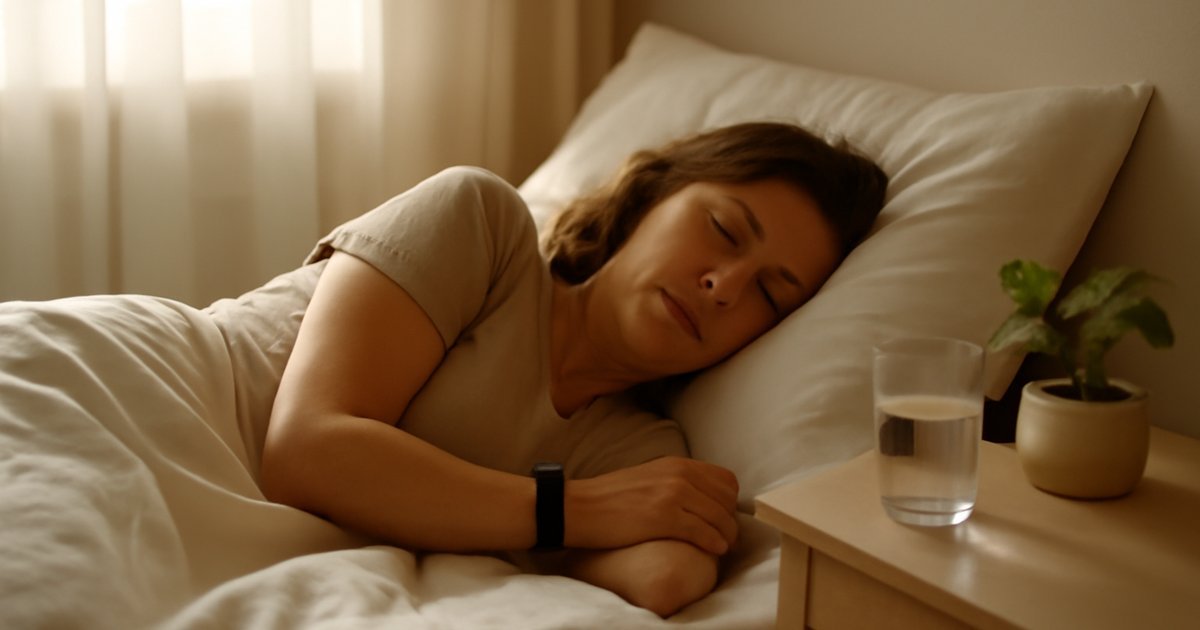
One overlooked factor may be quietly undermining every diet and workout you try — and it happens while you are unconscious.
Introduction
Marcus, 47, had done everything right. He tracked his calories, exercised five days a week, and cut out processed food. Yet after two months, the scale barely budged. His doctor asked one simple question: “How much are you sleeping?” The answer was five to six hours a night — and it changed everything.
According to the CDC, more than one in three American adults regularly gets less sleep than the recommended seven or more hours per night. What most people do not realize is that sleep deprivation and weight loss are deeply, physiologically connected. Poor sleep does not just make you tired — it rewires your hunger hormones, slows your metabolism, increases fat storage, and makes healthy food choices feel nearly impossible.
In this guide, you will learn exactly how sleep affects your weight, what the science says, and what practical steps you can take to make rest a genuine part of your weight loss strategy.
What Is the Connection Between Sleep and Weight Loss?
Sleep is not passive downtime for your body. It is a highly active biological process during which your body repairs tissue, regulates hormones, consolidates memory, and resets your metabolic functions. When that process is cut short — even by one or two hours — the hormonal consequences are immediate and measurable.
The two hormones most directly tied to hunger and satiety are ghrelin and leptin. Ghrelin is often called the “hunger hormone” because it signals your brain that it is time to eat. Leptin is the opposing hormone — it tells your brain you are full and satisfied. When you are sleep-deprived, ghrelin levels rise and leptin levels fall. The result: you feel hungrier, you feel less full after eating, and you are drawn toward high-calorie, carbohydrate-rich foods.
A landmark study published in the Annals of Internal Medicine found that when dieters cut back on sleep, they lost 55% less fat — even while consuming the same number of calories. The calorie deficit existed, but without adequate sleep, the body preferentially broke down lean muscle mass instead of stored fat.
This is why sleep is not a luxury in a weight loss program. Research suggests it may be just as important as diet and exercise.
Signs That Poor Sleep Is Hurting Your Weight Loss
You may not connect your sleep habits to your weight struggles, but these signs often point in that direction:
Early signs:
- Persistent cravings for sweets, bread, or salty snacks — especially in the evening
- Feeling hungry again within one to two hours after a full meal
- Low motivation to exercise, even when you plan to
- Difficulty sticking to healthy eating habits despite good intentions
- Weight loss that stalls despite a caloric deficit
More advanced signs:
- Frequent mood swings, irritability, or emotional eating episodes
- Noticeable increases in belly fat (visceral fat) over time
- Elevated fasting blood sugar or insulin resistance flagged by your doctor
- Daytime fatigue so severe it prevents any physical activity
- Disordered eating patterns that feel increasingly hard to control
A 2022 meta-analysis in Obesity Reviews confirmed that short sleep duration is associated with a 41% increased risk of obesity in adults — a relationship seen consistently across multiple populations and age groups.
Causes: Why Sleep Problems and Weight Gain Go Hand in Hand
The relationship between sleep and weight is bidirectional, meaning each can cause and worsen the other. Understanding the root causes helps you address both simultaneously.
Hormonal disruption: As described above, sleep deprivation elevates ghrelin and suppresses leptin. But it also raises cortisol — the primary stress hormone. Elevated cortisol signals your body to store fat, particularly in the abdominal region. Clinical evidence indicates that chronically high cortisol levels are closely linked to difficulty losing weight even in people who are not overeating.
Impaired glucose metabolism: The NIH reports that even one week of sleeping fewer than six hours per night can reduce insulin sensitivity by up to 25%. Insulin resistance — when your cells stop responding effectively to insulin — leads to higher blood sugar and greater fat storage. If you want to understand this connection more deeply, our guide on insulin resistance: causes, signs, and how to improve it covers this topic in full detail.
Reduced physical activity: People who are chronically sleep-deprived move less throughout the day — not just during formal exercise, but in general daily movement (referred to as non-exercise activity thermogenesis, or NEAT). This reduction in movement can account for hundreds of fewer calories burned per day.
Sleep disorders: Conditions like obstructive sleep apnea — in which breathing repeatedly stops during sleep — are significantly more common in people with obesity. Sleep apnea itself worsens sleep quality, creating a self-reinforcing cycle of fatigue, hormonal dysregulation, and weight gain. The American Academy of Sleep Medicine estimates that approximately 30 million Americans have obstructive sleep apnea, and many remain undiagnosed.
Lifestyle and environmental factors: Late-night screen exposure, irregular sleep schedules, alcohol use, high stress, and stimulant intake all disrupt your circadian rhythm — the internal biological clock that governs sleep-wake cycles and metabolic timing.
Diagnosis: When to Talk to a Doctor About Sleep and Weight
If you suspect your sleep is interfering with your weight loss goals, a conversation with your primary care physician is a good first step. Your doctor may recommend:
- Sleep history and screening questionnaires — tools like the Epworth Sleepiness Scale to assess daytime sleepiness and sleep quality
- Polysomnography (sleep study) — an overnight test, done in a clinic or increasingly at home, that monitors brain activity, breathing, oxygen levels, and heart rate during sleep to identify disorders such as sleep apnea
- Blood work — to check cortisol levels, thyroid function, fasting glucose, and insulin — all of which can both affect and be affected by sleep quality
- Referral to a sleep specialist or endocrinologist depending on findings
Most physicians recommend seeking evaluation if you snore loudly, wake gasping for air, feel unrefreshed after a full night of sleep, or have been told you stop breathing during sleep. Do not wait to bring this up — sleep disorders are highly treatable.
Treatment Options: Addressing Sleep to Support Weight Loss
Treating the sleep-weight connection requires a two-pronged approach: improve sleep quality directly, and support weight loss through evidence-based strategies that account for the hormonal environment created by poor sleep.
Medical treatment for sleep disorders: If sleep apnea is diagnosed, CPAP (Continuous Positive Airway Pressure) therapy is the first-line treatment recommended by the American Academy of Sleep Medicine. Clinical evidence indicates that CPAP use can improve insulin sensitivity, reduce cortisol levels, and in some cases support more successful weight management.
Cognitive Behavioral Therapy for Insomnia (CBT-I): CBT-I is considered the gold-standard, first-line treatment for chronic insomnia by the American College of Physicians — and it outperforms sleep medication in long-term outcomes. It addresses the thought patterns and behaviors that perpetuate poor sleep. CBT-I can be delivered in person, through telehealth, or via structured digital programs.
Sleep hygiene interventions: Research consistently supports the following behavioral practices, often referred to collectively as sleep hygiene:
- Maintaining a consistent sleep and wake time — even on weekends
- Keeping the bedroom cool (between 65°F and 68°F is commonly recommended by sleep researchers)
- Avoiding screens for at least 60 minutes before bed
- Limiting caffeine after 2 p.m.
- Avoiding alcohol within three hours of bedtime — alcohol may help you fall asleep but significantly disrupts REM sleep quality
Nutrition timing strategies: Eating late at night — particularly heavy meals — can disrupt sleep quality and elevate fasting insulin levels. Most evidence supports finishing your last substantial meal two to three hours before your intended bedtime.
Exercise — with good timing: Regular aerobic exercise is one of the most evidence-supported ways to improve sleep quality, according to a 2023 systematic review published in Sleep Medicine Reviews. However, vigorous exercise within two hours of bedtime can be stimulating and may delay sleep onset in some individuals. Morning or early afternoon exercise tends to offer the most benefit for sleep quality. For a deeper look at how exercise also supports metabolic health, see our guide on exercise and blood sugar control.
Medication: Sleep aids — both prescription and over-the-counter — may be appropriate in specific circumstances. However, they should be discussed carefully with your physician. Most sleep specialists recommend behavioral interventions before pharmacological ones for long-term sleep concerns.
Living With a Sleep-Weight Cycle: Practical Daily Management
Breaking the sleep-weight cycle takes consistency more than perfection. Here are practical strategies that research suggests make a meaningful difference:
Prioritize sleep as a non-negotiable. Just as you schedule workouts or meal prep, block your sleep window. The National Sleep Foundation recommends seven to nine hours for adults aged 26 to 64, and seven to eight hours for adults 65 and older.
Track your sleep and food patterns together. Apps or wearables that log both sleep duration and quality alongside dietary intake can reveal patterns you would not otherwise notice — such as waking up later after poor sleep and making less healthy breakfast choices.
Manage stress actively. Chronic stress elevates cortisol, disrupts sleep, and drives emotional eating — a trifecta that undermines weight loss. Mindfulness-based stress reduction (MBSR), breathing exercises, journaling, and professional support have all demonstrated measurable benefit. If you find stress is a persistent barrier to your goals, you might find our guide on breaking a weight loss plateau useful, as stress is one of the key contributing factors.
Be patient with the process. When you begin improving your sleep, hormonal changes take time to normalize. Clinical evidence indicates that consistent improvements in sleep duration and quality over four to eight weeks are often associated with measurable shifts in appetite regulation and energy expenditure.
Avoid the comparison trap. This varies from person to person — some individuals see a noticeable drop in cravings within two weeks of better sleep; others require longer. Age, underlying conditions, medication use, and baseline sleep deficits all affect the timeline.
When to Call Your Doctor — and Red Flags to Watch
Some sleep-related symptoms require prompt medical evaluation rather than self-management:
🚨 Seek immediate or urgent care if you experience:
- Gasping, choking, or waking suddenly with shortness of breath during the night
- Witnessed breathing pauses during sleep (reported by a partner or household member)
- Severe daytime sleepiness that causes you to fall asleep while driving, during conversations, or at your desk
- Chest pain, palpitations, or irregular heartbeat associated with sleep disruptions
- Unexplained rapid weight gain alongside heavy snoring and fatigue
At your next scheduled appointment, consider discussing:
- Your current average nightly sleep duration and quality
- Whether you snore, and whether anyone has observed breathing pausesThe relationship between your sleep and your weight loss progress
- Whether a home sleep test or formal sleep study might be appropriate for you
- Any supplements or sleep aids you are currently using, including melatonin
Frequently Asked Questions
Q: How many hours of sleep do I actually need to support weight loss?
A: Most clinical guidelines — including those from the American Academy of Sleep Medicine and CDC — recommend seven to nine hours per night for adults. Research suggests that consistently sleeping fewer than seven hours is associated with increased appetite, higher ghrelin levels, and greater likelihood of weight gain over time. However, individual needs vary, and some people function best at the higher end of that range.
Q: Can napping make up for lost nighttime sleep?
A: Short naps of 20 to 30 minutes can help reduce daytime sleepiness and improve alertness, but they do not fully restore the hormonal and metabolic benefits of uninterrupted nighttime sleep. Research suggests that the deep, slow-wave sleep and REM sleep stages — which are most protective for metabolic health — occur primarily during longer nocturnal sleep cycles.
Q: Does sleep apnea cause weight gain, or does weight gain cause sleep apnea?
A: Both are true, and they form a reinforcing cycle. Excess weight — particularly fat deposited around the neck and throat — can narrow the airway and increase the risk of sleep apnea. Sleep apnea then disrupts sleep architecture, raises cortisol, and promotes further weight gain. Treating sleep apnea with CPAP while also addressing weight through diet and exercise is typically the most effective combined approach, according to Johns Hopkins Medicine.
Q: Will taking melatonin help me lose weight?
A: Melatonin is a hormone naturally produced by the pineal gland that regulates your sleep-wake cycle. Supplemental melatonin may help with sleep onset in specific situations — such as jet lag or shift work — but it is not a weight loss supplement. Some early animal research has explored melatonin’s effect on metabolism, but clinical evidence in humans does not currently support using melatonin as a weight management tool. Always discuss supplementation with your physician.
Q: I sleep eight hours but still feel exhausted and cannot lose weight. What could be going on?
A: Sleep quality matters as much as quantity. Conditions like sleep apnea, restless leg syndrome, or frequent nighttime awakenings can severely fragment sleep architecture even when total time in bed appears adequate. Other contributors may include thyroid dysfunction, anemia, blood sugar irregularities, or depression. If you are consistently getting seven to nine hours but still feel unrefreshed, a conversation with your doctor — and potentially a sleep evaluation — is warranted.
Conclusion
If you have been doing everything the textbook says — eating well, exercising, tracking calories — and still not losing weight, sleep could be the missing variable. The science is clear: sleep deprivation raises hunger hormones, impairs insulin sensitivity, increases cortisol, and reduces the proportion of weight lost as fat. These are not minor inconveniences. They are significant biological barriers.
The good news is that sleep is one of the most modifiable factors in your health profile. With the right support — whether that means better sleep habits, a CBT-I program, or a formal evaluation for a sleep disorder — meaningful improvement is achievable. Talk to your doctor, make sleep a genuine priority, and give your body the recovery time it needs to do what you are asking of it.
This article is for informational and educational purposes only. It does not constitute medical advice, diagnosis, or treatment. Always consult your physician or a qualified healthcare provider before making changes to your health routine or treatment plan.
Medically reviewed by our editorial health team. Content follows evidence-based standards aligned with CDC and NIH guidelines.
Leave a Reply