Tag: metabolic health

  • Intermittent Fasting for Weight Loss: What the Science Says

    Intermittent Fasting for Weight Loss: What the Science Says

    Intermittent Fasting for Weight Loss: What the Science Says

    A clinically grounded look at how fasting windows affect body weight, metabolism, and long-term health outcomes in adults.

    Mark, 52, had tried calorie counting, low-carb diets, and meal replacement shakes — none of them stuck for more than a few months. When his primary care physician mentioned intermittent fasting as a strategy worth discussing, he was skeptical. "Skipping meals sounds like something from a fad diet book," he told his doctor. But three months later, he had lost 18 pounds and, more importantly, his fasting blood sugar had dropped into a healthier range.

    Mark's experience is far from unique. According to the National Institutes of Health, roughly 42% of American adults are living with obesity, and nearly 75% are overweight or obese — numbers that have climbed steadily over the past two decades. For millions of people, conventional "eat less, move more" advice has not produced lasting results.

    Intermittent fasting — an eating pattern that cycles between defined periods of eating and fasting — has emerged as one of the most-researched dietary approaches of the past decade. In this article, you will learn what intermittent fasting actually is, what peer-reviewed research says about its effectiveness for weight loss, who it is and is not appropriate for, and how to approach it safely under medical guidance.

    What Is Intermittent Fasting?

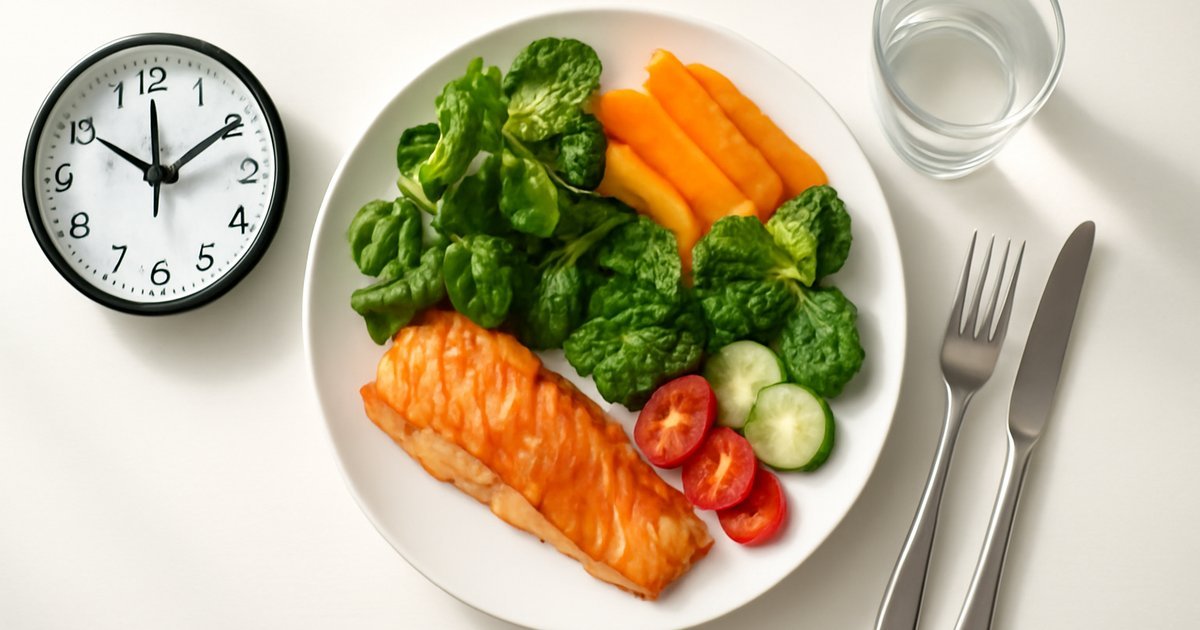
    Intermittent fasting (IF) is not a diet in the traditional sense — it does not prescribe specific foods. Instead, it is a structured eating pattern that designates specific windows for eating and fasting. The body responds to these fasting periods by shifting fuel sources and triggering metabolic adaptations that may support weight loss.

    The most common IF protocols include:

    • 16:8 method: Eating is restricted to an 8-hour window each day (for example, noon to 8 p.m.), with a 16-hour fast overnight and into the morning.
    • 5:2 method: Normal eating occurs five days a week, with two non-consecutive days of very limited caloric intake (typically around 500 calories).
    • Alternate-day fasting (ADF): Participants alternate between unrestricted eating days and fasting or very-low-calorie days.
    • Eat Stop Eat: One or two 24-hour fasts per week.

    According to a review published in the New England Journal of Medicine, intermittent fasting triggers metabolic switching — a process where the body depletes liver glycogen stores and begins burning fat-derived ketones for energy. This shift may underlie many of the observed health benefits.

    The NIH estimates that as many as 10% of American adults have tried some form of intermittent fasting, making it one of the most widely practiced dietary interventions in the country today.

    Signs That Your Current Eating Pattern May Be Working Against You

    Before exploring whether intermittent fasting might be appropriate for you, it helps to recognize common patterns that contribute to weight gain and difficulty losing weight. Research suggests that the timing of food intake — not just the quantity — plays a meaningful role in metabolic health.

    You may benefit from discussing a structured eating window with your doctor if you experience:

    • Persistent hunger and cravings throughout the day despite eating regular meals
    • Difficulty losing weight even with calorie restriction
    • Late-night snacking that feels difficult to control
    • Frequent energy crashes after meals
    • Elevated fasting blood glucose or insulin resistance (pre-diabetes)
    • Metabolic syndrome — a cluster of conditions including high blood pressure, elevated blood sugar, excess abdominal fat, and abnormal cholesterol levels
    • Fatigue, brain fog, or poor concentration after meals

    A 2022 meta-analysis published in Obesity Reviews found that individuals with metabolic syndrome showed particularly strong improvements in waist circumference, triglycerides, and blood sugar when practicing time-restricted eating — suggesting that some people may respond to IF more robustly than others. This varies from person to person.

    How Intermittent Fasting Affects Weight Loss: The Evidence

    The central question most people ask is simple: does intermittent fasting actually work for weight loss? The short answer, based on current evidence, is yes — but with important nuance.

    A landmark randomized controlled trial published in the New England Journal of Medicine in 2022 found that time-restricted eating (8-hour window) produced weight loss comparable to daily calorie restriction over 12 months. Participants lost an average of 14 to 18 pounds. Importantly, the IF group achieved similar results with far less active calorie tracking — a significant practical advantage for many people.

    A 2020 review in Annual Review of Nutrition analyzed 27 trials of intermittent fasting and found weight loss ranging from 0.8% to 13% of baseline body weight, depending on protocol and duration. Most participants also saw improvements in:

    • Fasting insulin levels
    • LDL cholesterol (the "bad" cholesterol)
    • Blood pressure
    • Inflammatory markers such as C-reactive protein (CRP)

    Clinical evidence also suggests that IF may help preserve lean muscle mass compared to continuous calorie restriction — a critical advantage for adults over 40 who are already at risk for age-related muscle loss, known as sarcopenia.

    Research from the University of Illinois at Chicago found that alternate-day fasting resulted in approximately 10 to 30 calories less consumed per day compared to continuous restriction — not a dramatic difference, but meaningful when sustained over months.

    It is important to note that no study has found intermittent fasting to be dramatically superior to well-designed calorie restriction for weight loss alone. However, many people find it more sustainable, which may be its greatest clinical advantage.

    If you are curious about how your metabolism plays a role in weight loss more broadly, our detailed guide on gut health and weight loss offers additional context on how your internal biology affects your results.

    Who Should Be Cautious — or Avoid Intermittent Fasting

    Intermittent fasting is not appropriate for everyone, and it is essential to consult your physician before starting any fasting protocol. Certain populations require specific caution:

    • People with type 1 or type 2 diabetes on insulin or sulfonylureas: Fasting can increase the risk of hypoglycemia (dangerously low blood sugar). Medical supervision is essential.
    • Pregnant or breastfeeding women: Caloric restriction during pregnancy or lactation poses risks to both mother and child.
    • Individuals with a history of eating disorders: Structured fasting may trigger or worsen disordered eating behaviors. This population should work closely with a mental health provider and registered dietitian. Learn more in our article on emotional eating and weight loss.
    • Children and adolescents: Growing bodies require consistent caloric and nutritional intake.
    • People on certain medications: Some medications must be taken with food or at specific times. Your pharmacist and physician can help you navigate this.
    • Adults over 65 with low body weight or frailty: Risk of nutrient deficiency and muscle loss may outweigh benefits.

    The American Diabetes Association recommends that any dietary intervention for people with diabetes — including IF — be individualized and medically supervised.

    How to Start Intermittent Fasting Safely

    If your doctor confirms that intermittent fasting is appropriate for you, starting gradually and with realistic expectations is key. Most clinicians recommend beginning with the 12:12 method — 12 hours of eating, 12 hours of fasting — before progressing to a 16:8 window. This allows your body and daily routine to adjust without excessive discomfort.

    Practical steps supported by clinical guidance include:

    • Choose a fasting window that fits your lifestyle. Most people find it easiest to fast overnight and skip breakfast, eating from noon to 8 p.m. Others prefer an earlier window (7 a.m. to 3 p.m.) to align with family meals.
    • Stay hydrated during fasting hours. Water, black coffee, and plain herbal tea are generally acceptable during the fasting window and will not break your fast.
    • Prioritize food quality during eating windows. Intermittent fasting does not excuse poor nutrition choices. A diet rich in lean proteins, vegetables, whole grains, and healthy fats will amplify results.
    • Expect an adjustment period of 1-2 weeks. Hunger, irritability, and mild headaches are common initially. These typically resolve as your body adapts.
    • Monitor your energy and mood. If you feel persistently exhausted, dizzy, or experience heart palpitations, contact your doctor promptly.
    • Track your progress with labs, not just the scale. Ask your doctor to recheck fasting glucose, insulin, and lipid panels after 3 months of consistent IF.

    Research from Johns Hopkins Medicine suggests that combining intermittent fasting with regular physical activity — particularly resistance training — produces better body composition outcomes than fasting alone. Muscle preservation and fat loss together represent the most clinically meaningful goal.

    When to Call Your Doctor — Emergency and Warning Signs

    Most healthy adults tolerate intermittent fasting well with proper medical clearance. However, certain symptoms warrant immediate attention:

    Seek emergency care immediately if you experience:

    • Severe dizziness, fainting, or loss of consciousness
    • Heart palpitations or irregular heartbeat
    • Extreme weakness or inability to function
    • Confusion or difficulty thinking clearly
    • Signs of hypoglycemia (shakiness, sweating, confusion, especially if diabetic)

    Contact your doctor at your next appointment if you notice:

    • Persistent fatigue beyond the first two weeks
    • Worsening mood, irritability, or anxiety
    • Disrupted sleep patterns
    • Hair loss or unexplained changes in menstrual cycle (for women)
    • No weight change after 8-12 weeks of consistent practice — your plan may need adjustment

    The CDC and Mayo Clinic both emphasize that sustainable weight loss is best achieved through a team-based approach involving your primary care physician, a registered dietitian, and where needed, a behavioral health specialist.

    If you are also struggling with sleep quality — which profoundly affects hunger hormones like ghrelin and leptin — our resource on online therapy for insomnia and sleep disorders may offer complementary strategies.

    Frequently Asked Questions About Intermittent Fasting and Weight Loss

    Does intermittent fasting slow your metabolism?
    This is one of the most common concerns, and research suggests it is largely unfounded for short-to-medium-term fasting protocols. A 2021 study in Cell Metabolism found no significant reduction in resting metabolic rate in participants practicing 16:8 fasting over 12 weeks. Prolonged, extreme caloric restriction — not moderate time-restricted eating — is more associated with metabolic adaptation.

    Can I exercise during fasting periods?
    For most healthy adults, moderate exercise during a fasting window is safe and may enhance fat oxidation. However, high-intensity or endurance training on an empty stomach may impair performance and recovery. Most sports medicine physicians recommend scheduling intense workouts close to or within your eating window, and always listening to your body.

    Will intermittent fasting cause muscle loss?
    Clinical evidence indicates that IF, when combined with adequate protein intake (typically 1.2 to 1.6 grams per kilogram of body weight daily, though your physician or dietitian can personalize this) and resistance exercise, does not significantly accelerate muscle loss compared to continuous caloric restriction. In some studies, IF was associated with better lean mass preservation.

    Is intermittent fasting safe for women over 50?
    Research on IF specifically in postmenopausal women is still emerging. Some studies suggest hormonal differences may influence how women respond to prolonged fasting. Women in this age group are encouraged to discuss IF with their gynecologist or primary care physician, particularly if they are managing thyroid conditions, osteoporosis risk, or cardiovascular disease.

    How long does it take to see results with intermittent fasting?
    Most clinical studies report meaningful changes in body weight and metabolic markers within 8 to 12 weeks of consistent adherence. However, this varies from person to person depending on baseline health, eating patterns during the eating window, activity level, sleep quality, and overall calorie balance.

    Conclusion: A Structured Approach Worth Discussing With Your Doctor

    Intermittent fasting is one of the most evidence-backed dietary strategies available for weight loss and metabolic health improvement in adults. It is not a magic solution, and it is not right for everyone — but for the right candidate, under proper medical supervision, it offers a flexible, sustainable alternative to traditional dieting approaches that many people find difficult to maintain.

    The research is clear: consistent time-restricted eating can produce meaningful weight loss, improve insulin sensitivity, reduce inflammatory markers, and support cardiovascular health. The key is individualizing the approach, staying safe, and working closely with your healthcare team throughout the process.

    If you have been struggling with your weight and conventional approaches have not delivered lasting results, intermittent fasting may be a conversation worth having at your next appointment. You deserve a strategy that fits your life — and your biology.


    Medical Disclaimer: This article is for informational and educational purposes only. It does not constitute medical advice, diagnosis, or treatment. Always consult your physician or a qualified healthcare provider before making changes to your health routine or treatment plan.

    Medically reviewed by our editorial health team. Content follows evidence-based standards aligned with CDC and NIH guidelines.


  • Gut Health and Weight Loss: What Your Microbiome Means

    Gut Health and Weight Loss: What Your Microbiome Means

    Gut Health and Weight Loss: What Your Microbiome Means

    Your digestive system hosts trillions of microbes — and emerging science suggests they may be one of the most overlooked factors in your weight loss journey.

    Why Your Gut Might Be Holding You Back

    Marcus, 52, had done everything “right” for two years. He cut calories, exercised five days a week, and gave up processed food. Yet the scale barely moved. His doctor ordered routine labs — all normal. Then a gastroenterologist suggested looking deeper, at the community of bacteria living in Marcus’s intestines.

    According to the NIH Human Microbiome Project, the human gut contains roughly 38 trillion microbial cells — nearly equal to the number of human cells in the body. Research published by the National Institutes of Health indicates that the composition of these microbes, collectively called the gut microbiome, can influence how many calories you extract from food, how fat is stored, and even how hungry you feel throughout the day.

    If weight loss has felt impossible despite your best efforts, your gut health may be a piece of the puzzle your plan is missing. In this guide, you’ll learn what the science actually says about the gut-weight connection, practical strategies to support a healthy microbiome, and when to involve your doctor.

    What Is the Gut Microbiome?

    The gut microbiome refers to the vast community of bacteria, viruses, fungi, and other microorganisms that live primarily in your large intestine. Think of it as an internal ecosystem — one that is entirely unique to you, shaped by your genetics, diet, environment, medications, and even how you were born.

    A diverse microbiome — meaning a wide variety of microbial species — is generally associated with better metabolic health. A less diverse microbiome, often described as dysbiosis (an imbalance in microbial communities), has been linked in multiple studies to obesity, type 2 diabetes, inflammation, and digestive disorders.

    According to a landmark 2013 study published in the journal Nature and widely cited by the NIH, transplanting gut bacteria from obese mice into lean, germ-free mice caused the lean mice to gain significantly more body fat — even without changing their diets. While human biology is more complex, this research launched a wave of clinical investigation into how microbiome health affects weight regulation.

    The CDC estimates that 73% of American adults are overweight or living with obesity. As researchers search for more effective interventions, the gut microbiome has emerged as a promising — though still evolving — area of focus.

    Signs Your Gut Health May Be Affecting Your Weight

    The relationship between gut health and weight is not always obvious. You may not notice a single dramatic symptom. Instead, look for a pattern of signals that suggest your microbiome may be out of balance:

    Early or mild signs:

    • Persistent bloating, especially after meals
    • Irregular bowel habits — constipation alternating with loose stools
    • Frequent sugar or carbohydrate cravings
    • Low energy or mid-afternoon fatigue unrelated to poor sleep
    • Difficulty losing weight despite a calorie deficit
    • Frequent mild gas or indigestion
    • Brain fog or difficulty concentrating after eating

    More significant signs that warrant medical evaluation:

    • Unintentional weight gain with no dietary changes
    • Severe or chronic abdominal pain
    • Blood in stool
    • Significant changes in bowel frequency lasting more than two weeks
    • Unexplained fatigue combined with digestive symptoms

    A 2021 review in Frontiers in Endocrinology, cited by Harvard Health, found that individuals with obesity tend to have lower levels of beneficial bacteria such as Akkermansia muciniphila and higher levels of bacteria associated with increased calorie extraction from food. This variation from person to person underscores why two people eating the same diet can have dramatically different weight loss outcomes.

    Causes and Risk Factors for Gut Microbiome Imbalance

    Several factors can disrupt the balance of your gut microbiome — many of which are common in modern American life:

    Dietary patterns: A diet high in ultra-processed foods, added sugars, and refined carbohydrates feeds bacteria associated with inflammation and weight gain. Conversely, low fiber intake starves beneficial bacteria. The FDA reports that most Americans consume less than half of the recommended 25–38 grams of fiber per day.

    Antibiotic use: Antibiotics save lives, but they are non-selective — they kill harmful and beneficial bacteria alike. The CDC notes that over 250 million antibiotic prescriptions are written each year in the US. Each course can alter the microbiome for months.

    Chronic stress: The gut-brain axis — a bidirectional communication network between your digestive system and your brain — means that chronic psychological stress can directly alter microbial populations. Research from the Cleveland Clinic suggests this connection may also worsen stress-driven eating patterns.

    Sleep disruption: Poor sleep quality has been shown in NIH-funded research to negatively impact microbiome diversity within just a few days. If you’re interested in how sleep intersects with weight, our article on Emotional Eating and Weight Loss: How to Break the Cycle explores several overlapping drivers.

    Other risk factors include:

    • Cesarean birth (reduces early microbial colonization)
    • Formula feeding in infancy versus breastfeeding
    • Sedentary lifestyle
    • Frequent use of proton pump inhibitors (PPIs) for acid reflux
    • Alcohol consumption
    • Aging — microbial diversity naturally declines with age

    How the Microbiome Influences Weight: The Science Explained

    Understanding the biological mechanisms helps explain why gut health is not just about digestion — it directly intersects with metabolism and body weight.

    Calorie extraction: Not all calories are absorbed equally. Certain bacterial species are more efficient at breaking down dietary fiber into short-chain fatty acids (SCFAs), which provide additional energy. Research from Washington University, referenced by the NIH, showed that individuals with obesity extracted significantly more calories from the same amount of food compared to lean individuals — a difference attributed in part to microbiome composition.

    Appetite regulation: Gut bacteria influence the production of hormones that control hunger and fullness, including GLP-1 (glucagon-like peptide-1), PYY (peptide YY), and ghrelin. An imbalanced microbiome may blunt satiety signals, leading you to feel hungry sooner after eating. This also connects to the broader hormonal picture — for a deeper look, see our article on Weight Loss and Hormones: How Your Body Works Against You.

    Inflammation: Dysbiosis can increase intestinal permeability — sometimes called “leaky gut” — allowing bacterial components to enter the bloodstream and trigger low-grade systemic inflammation. The American Heart Association has linked chronic inflammation to insulin resistance, which makes fat storage more likely and weight loss more difficult.

    Fat storage: Specific bacterial metabolites can influence the activity of genes involved in fat storage in liver and adipose (fat) tissue, according to research reviewed by Johns Hopkins Medicine.

    Diagnosis: What Your Doctor Can Assess

    There is currently no single gold-standard clinical test for gut microbiome health. However, your physician has several tools to evaluate related factors:

    • Stool testing: Comprehensive stool analysis can identify imbalances in bacterial populations, markers of inflammation (such as calprotectin), and signs of digestive dysfunction.
    • Breath tests: Used to detect small intestinal bacterial overgrowth (SIBO), which can cause bloating, malabsorption, and metabolic disruption.
    • Blood markers: C-reactive protein (CRP) and other inflammatory markers may reflect gut-derived systemic inflammation.
    • Metabolic labs: Fasting glucose, insulin, HbA1c, and lipid panels help identify downstream effects of microbiome imbalance on metabolic health.

    Commercial microbiome testing kits are widely marketed to consumers, but the Mayo Clinic cautions that their clinical utility remains limited until standardized reference ranges are established. Discuss any at-home test results with your physician before acting on them.

    Seek a medical evaluation if your digestive symptoms are persistent, if weight loss has stalled completely despite consistent effort, or if you have a personal or family history of inflammatory bowel disease, celiac disease, or metabolic syndrome.

    Treatment Options: Conventional Care and Evidence-Based Lifestyle Changes

    Clinical evidence suggests that supporting gut microbiome diversity can complement — though not replace — conventional weight management strategies.

    Dietary fiber: The most well-supported intervention

    A 2019 meta-analysis published in The Lancet, cited by the WHO and referenced in NIH databases, found that people consuming the highest amounts of dietary fiber had a 15–30% lower risk of cardiovascular disease, type 2 diabetes, and colorectal cancer — conditions frequently linked to obesity and gut dysbiosis. Clinical evidence consistently shows fiber feeds beneficial bacteria and promotes production of SCFAs that support metabolic health.

    Practical sources of prebiotic fiber include:

    • Oats, barley, and legumes
    • Garlic, onions, leeks, and asparagus
    • Bananas (especially slightly underripe)
    • Jerusalem artichokes and chicory root
    • Apples and flaxseeds

    Fermented foods and probiotics

    A randomized controlled trial from Stanford University (2021), widely covered by NIH news, found that a high-fermented-food diet increased microbiome diversity and decreased inflammatory markers more effectively than a high-fiber diet alone in the short term. Fermented foods to consider include plain yogurt with live cultures, kefir, sauerkraut, kimchi, tempeh, and miso.

    Probiotic supplements are frequently marketed for weight loss, but research suggests results vary significantly depending on the bacterial strains used. Most physicians recommend food-first approaches, as supplements are not FDA-regulated for purity or efficacy in the same way pharmaceuticals are.

    Reducing ultra-processed food intake

    Research suggests that emulsifiers and artificial sweeteners commonly found in ultra-processed foods may alter gut bacteria in ways that promote inflammation and increase calorie absorption. The Cleveland Clinic recommends minimizing foods with long ingredient lists containing additives unfamiliar to your kitchen.

    Exercise

    Physical activity independently supports microbiome diversity. A 2019 study in Medicine & Science in Sports & Exercise, cited by the American College of Sports Medicine, found that lean individuals who exercised regularly had significantly greater microbial diversity than sedentary individuals — independent of diet.

    Stress management

    Because the gut-brain axis is bidirectional, managing chronic stress is a legitimate part of microbiome care. Mindfulness-based stress reduction (MBSR), cognitive behavioral therapy (CBT), and regular physical movement all have evidence supporting their role in reducing gut permeability and improving microbial balance.

    Living Well: Daily Habits to Support Your Gut and Your Weight

    Small, consistent habits compound over time. Clinical evidence indicates that microbiome changes can begin occurring within days of dietary shifts, though meaningful composition changes typically take weeks to months.

    Practical day-to-day strategies include:

    • Eat the rainbow: Aim for 30 or more different plant foods per week. Research from the American Gut Project found that this threshold was associated with significantly greater microbiome diversity.
    • Chew thoroughly: Digestion begins in the mouth. Thorough chewing reduces the burden on intestinal bacteria and supports nutrient absorption.
    • Stay hydrated: Adequate water intake supports the mucosal lining of the gut, which acts as habitat for beneficial bacteria.
    • Limit unnecessary antibiotic use: Always take antibiotics only as prescribed. When you do need them, discuss probiotic use during and after the course with your doctor.
    • Prioritize sleep: Aim for 7–9 hours per night. NIH research links consistent sleep to maintained microbiome diversity and better weight outcomes.
    • Move daily: Even 30 minutes of moderate walking supports gut motility and microbial health.

    This varies from person to person — your ideal gut-support strategy depends on your current diet, health conditions, medications, and baseline microbiome composition. A registered dietitian with experience in gut health can help you personalize your approach.

    When to Call Your Doctor: Red Flags and Next Conversations

    While many gut health strategies are safe to explore with dietary changes alone, certain symptoms require prompt medical attention:

    Seek emergency care immediately if you experience:

    • Severe abdominal pain that comes on suddenly
    • Blood in your stool (bright red or black, tarry stools)
    • Signs of severe dehydration (extreme thirst, dizziness, no urination)
    • High fever combined with abdominal symptoms
    • Sudden, significant unintentional weight loss

    Schedule a non-urgent appointment to discuss:

    • Persistent bloating, gas, or altered bowel habits lasting more than two to four weeks
    • Weight loss plateau despite consistent caloric deficit and exercise
    • Recent long-term antibiotic use and ongoing digestive changes
    • Interest in stool microbiome testing or probiotic supplementation guidance
    • A family history of colorectal cancer, Crohn’s disease, or ulcerative colitis

    When you visit your doctor, be prepared to describe your symptoms in detail, list all current medications and supplements, and share a general picture of your typical diet. This information helps your provider distinguish between a functional gut issue and something requiring further investigation. For context on how chronic conditions intersect with weight, our article on Weight Loss and Hormones provides useful background to share with your care team.

    Frequently Asked Questions

    Can improving gut health actually help me lose weight?

    Research suggests that supporting a diverse, balanced microbiome can improve metabolic efficiency, regulate appetite hormones, and reduce inflammation — all of which may support weight loss efforts. However, gut health is one factor among many. It works best as part of a comprehensive approach that includes a calorie-appropriate diet and regular physical activity, guided by your healthcare provider.

    What foods are worst for gut health and weight?

    Clinical evidence consistently points to ultra-processed foods, foods high in added sugars, refined grains, and artificial sweeteners as particularly disruptive to beneficial gut bacteria. Alcohol has also been shown to reduce microbial diversity. Minimizing these while increasing whole foods and dietary fiber is the most evidence-supported dietary shift you can make.

    Should I take a probiotic supplement for weight loss?

    Most current evidence does not support taking a probiotic supplement solely for weight loss. Certain strains — particularly from the Lactobacillus and Bifidobacterium families — have shown modest effects on weight and fat distribution in some studies, but results vary significantly. Food-based fermented products are generally preferred by most gastroenterologists. Always discuss supplementation with your doctor first.

    How long does it take to improve gut health?

    Research suggests that measurable changes in microbiome composition can begin within 3–5 days of significant dietary shifts. However, sustainable, meaningful changes — those that correlate with improved metabolic outcomes — typically develop over several weeks to months of consistent behavior. This varies from person to person based on starting microbiome composition and overall health status.

    Is leaky gut a real medical condition?

    Increased intestinal permeability — the clinical term for what is colloquially called “leaky gut” — is a real and measurable phenomenon studied in peer-reviewed research. It has been associated with inflammatory bowel disease, celiac disease, and metabolic conditions. However, the degree to which it drives weight gain in otherwise healthy individuals is still an active area of research. If you suspect this is a concern, discuss it with a gastroenterologist rather than self-diagnosing based on online content.

    The Bottom Line

    Your gut microbiome is not a magic lever for weight loss — but it is a genuinely important part of your metabolic health that modern medicine is only beginning to fully understand. The good news is that the strategies most likely to support a healthy microbiome — eating more fiber, consuming fermented foods, exercising regularly, managing stress, and sleeping well — are also foundational to overall wellness.

    If you’ve been struggling with weight loss despite consistent effort, bring the conversation about gut health to your next doctor’s appointment. You don’t need to self-diagnose or buy expensive supplements. You need a thoughtful, personalized plan — and that starts with your healthcare provider having the full picture of what you’re experiencing.

    Progress may be slower than you’d like, but it is possible. Your gut, and your health, are worth the investment.


    Medical Disclaimer: This article is for informational and educational purposes only. It does not constitute medical advice, diagnosis, or treatment. Always consult your physician or a qualified healthcare provider before making changes to your health routine or treatment plan.

    Medically reviewed by our editorial health team. Content follows evidence-based standards aligned with CDC and NIH guidelines.

  • Weight Loss and Hormones: How Your Body Works Against You

    Weight Loss and Hormones: How Your Body Works Against You

    Weight Loss and Hormones: How Your Body Works Against You

    Understanding your hormonal blueprint may be the missing piece in your weight loss journey.

    Maria, 44, had done everything right. She tracked her calories, hit the gym five days a week, and cut out processed foods. But for six months, the scale barely moved. Her doctor ran a standard blood panel — and there it was: her thyroid hormone was low, her cortisol was chronically elevated, and her fasting insulin suggested early insulin resistance. Maria wasn’t failing at weight loss. Her hormones were working against her.

    If this story sounds familiar, you’re not alone. According to the NIH, hormonal imbalances are a contributing factor in a significant portion of unexplained weight gain cases in adults over 35. Yet most mainstream weight loss advice ignores the hormonal landscape entirely.

    In this guide, you’ll learn which hormones most directly affect weight loss, how to recognize signs of hormonal interference, what clinical evidence says about correcting these imbalances, and how to work with your doctor to create a strategy that accounts for your biology — not just your willpower.


    What Is Hormonal Weight Gain?

    Hormonal weight gain refers to excess body fat that accumulates — or becomes resistant to loss — primarily because of dysregulation in one or more hormone systems, rather than purely from caloric excess.

    Hormones are chemical messengers produced by glands throughout your body. They regulate nearly every biological process, including metabolism (how fast you burn energy), hunger and satiety signals, fat storage patterns, muscle mass retention, and sleep-wake cycles.

    When even one of these systems is off-balance, your body’s ability to lose weight can be significantly impaired — even when your diet and exercise habits are objectively sound.

    According to the CDC, more than 70% of US adults are overweight or obese. While lifestyle factors play a central role, clinical research increasingly recognizes that hormonal disruption — from thyroid dysfunction to insulin resistance to elevated cortisol — makes sustained weight loss measurably harder for millions of Americans.

    This isn’t an excuse to avoid effort. It’s a call to understand why your effort may not be producing the results you expect — and what to do about it.


    The Key Hormones That Affect Your Weight

    Several hormones play a direct role in how your body gains, stores, and releases fat. Understanding each one gives you a clearer picture of what may be happening beneath the surface.

    Insulin

    Insulin is produced by the pancreas and regulates blood sugar. When you eat carbohydrates, insulin helps move glucose into your cells for energy. However, when insulin levels stay chronically elevated — often due to a high-sugar diet, sedentary behavior, or metabolic stress — your cells can become resistant to its signals.

    This condition, known as insulin resistance, forces your pancreas to produce even more insulin, which directly promotes fat storage, particularly around the abdomen. Research published by the American Diabetes Association indicates that insulin resistance affects an estimated 88 million US adults — many of whom don’t yet have a formal diabetes diagnosis.

    Cortisol

    Cortisol is your primary stress hormone, released by the adrenal glands. In short bursts, it’s protective. But chronically elevated cortisol — common in people managing long-term stress, poor sleep, or inflammatory conditions — drives appetite for high-calorie foods, increases abdominal fat storage, and breaks down lean muscle tissue.

    A meta-analysis published in the journal Obesity Reviews found a significant association between elevated hair cortisol concentrations (a long-term cortisol marker) and higher BMI and waist circumference in adults.

    Thyroid Hormones (T3 and T4)

    Your thyroid gland produces hormones that set the pace of your metabolism. When thyroid hormone production is insufficient — a condition called hypothyroidism — your metabolism slows, leading to fatigue, cold intolerance, and weight gain that resists even calorie-restricted diets.

    According to the American Thyroid Association, approximately 20 million Americans have some form of thyroid disease, and up to 60% are undiagnosed. Hypothyroidism is significantly more common in women and adults over 60.

    Leptin and Ghrelin

    These two hormones govern your hunger and fullness cues. Leptin, produced by fat cells, signals the brain that you’ve had enough food. Ghrelin, produced in the stomach, stimulates appetite.

    In people with obesity, a phenomenon called leptin resistance can develop — where the brain stops responding to leptin’s "I’m full" signal even when fat stores are high. This leads to persistent hunger and overeating despite adequate nutrition.

    Research suggests that sleep deprivation worsens both leptin and ghrelin dysregulation, which is one reason poor sleep is closely linked to weight gain. Learn more about the connection between weight loss and sleep quality.

    Estrogen and Testosterone

    Sex hormones profoundly influence fat distribution and muscle mass. In women, the drop in estrogen during perimenopause and menopause is associated with increased central (abdominal) fat accumulation. In men, declining testosterone after age 40 correlates with reduced muscle mass and increased body fat — a pattern sometimes called "andropause."

    A study published in the Journal of Clinical Endocrinology & Metabolism found that low testosterone in men was independently associated with higher rates of obesity and metabolic syndrome.


    Signs That Hormones May Be Affecting Your Weight

    Hormonal interference with weight loss doesn’t always announce itself with a dramatic diagnosis. More often, it shows up as subtle, persistent patterns that don’t respond the way they should to standard interventions.

    Early or moderate signs:

    • Weight gain concentrated around the belly, even with diet changes
    • Difficulty losing weight despite consistent caloric deficit
    • Persistent fatigue, especially in the afternoon
    • Strong sugar or carbohydrate cravings, particularly after meals
    • Feeling hungry shortly after eating
    • Irregular menstrual cycles (in women)
    • Difficulty building or maintaining muscle
    • Brain fog or difficulty concentrating

    More significant signs that warrant prompt evaluation:

    • Unexplained weight gain of 10 or more pounds over a few months
    • Extreme fatigue, hair loss, and cold sensitivity (possible hypothyroidism)
    • Rapid weight gain with stretch marks, high blood pressure, and facial rounding (possible Cushing’s syndrome)
    • Severe menstrual disruption, acne, and weight gain in women (possible PCOS)
    • Fasting blood sugar over 100 mg/dL on routine labs

    If you recognize several of these patterns, a conversation with your primary care physician is a reasonable and important next step.


    Diagnosis: What Your Doctor Will Look For

    There is no single test for "hormonal weight gain." Your physician will approach the evaluation based on your symptoms, history, and initial lab results. Here’s what a thorough hormonal workup for weight-related concerns typically includes:

    • Fasting insulin and glucose: Screens for insulin resistance and prediabetes
    • HbA1c: Reflects average blood sugar over the past 2-3 months
    • TSH (thyroid-stimulating hormone): First-line screen for thyroid dysfunction; may be followed by free T3 and free T4
    • Cortisol levels: Can be assessed through serum, saliva, or 24-hour urine depending on suspicion of Cushing’s syndrome
    • Fasting lipid panel: Elevated triglycerides often accompany insulin resistance
    • Sex hormone panel: Total and free testosterone, estradiol, FSH, LH — especially relevant for adults over 40 with significant unexplained weight changes
    • DHEA-S: An adrenal hormone that declines with chronic stress and aging

    The Mayo Clinic recommends that adults with unexplained weight gain, persistent fatigue, or a family history of thyroid or metabolic disease have baseline labs reviewed at their annual physical — and request targeted hormonal screening if symptoms persist.

    It’s important to note that lab values alone don’t always tell the complete story. Results must be interpreted in the context of your full clinical picture. This is why working with a physician — rather than self-diagnosing based on online symptom checkers — is essential.


    Treatment Options: What the Evidence Supports

    Treatment depends entirely on which hormonal imbalances are identified and how severe they are. Most approaches combine conventional medical management with targeted lifestyle modifications.

    Treating Insulin Resistance

    Clinical evidence strongly supports that reducing refined carbohydrate intake, increasing physical activity (especially resistance training), and losing even 5-7% of body weight can significantly improve insulin sensitivity. For some patients, physicians may prescribe medications such as metformin, which the ADA recognizes as effective for reducing insulin resistance in people with prediabetes or type 2 diabetes.

    Managing Hypothyroidism

    When hypothyroidism is confirmed, thyroid hormone replacement therapy — typically levothyroxine — is the standard of care. Once thyroid levels are optimized, many patients find that modest weight loss becomes achievable again. However, research suggests that thyroid treatment alone rarely produces dramatic weight loss; it primarily removes the hormonal barrier so that lifestyle efforts can work more effectively.

    Addressing Elevated Cortisol

    For most adults, chronically elevated cortisol stems from lifestyle factors — not from a clinical condition like Cushing’s syndrome. Evidence-based interventions include structured stress reduction practices (cognitive behavioral therapy, mindfulness-based stress reduction), sleep optimization, and moderate-intensity exercise. If chronic stress is affecting your overall health, understanding burnout syndrome may provide valuable context.

    Hormone Replacement Therapy (HRT) for Menopause-Related Weight Gain

    For women experiencing significant menopausal symptoms alongside weight gain, hormone replacement therapy remains a clinically recognized option. According to the North American Menopause Society, HRT may reduce abdominal fat accumulation associated with estrogen decline. However, HRT carries risks that vary by individual, and this decision should be made collaboratively with a gynecologist or endocrinologist after reviewing personal and family medical history.

    Testosterone Therapy for Men

    Clinical evidence from Johns Hopkins and other centers indicates that testosterone replacement therapy in men with confirmed hypogonadism (low testosterone) may reduce fat mass and increase lean muscle. However, the FDA emphasizes that TRT is indicated specifically for diagnosed testosterone deficiency — not as a general weight loss tool.


    Living With Hormonal Imbalance: Practical Daily Strategies

    Beyond medical treatment, several evidence-supported lifestyle strategies can meaningfully support hormonal balance and make weight loss more achievable.

    Prioritize protein at every meal. Protein blunts ghrelin release (reducing hunger) and supports lean muscle retention. Clinical research suggests a target of 25-30 grams of protein per meal for adults managing insulin resistance or age-related muscle loss.

    Incorporate resistance training. Strength training two to four times per week has been shown to improve insulin sensitivity, support testosterone production, and preserve the muscle mass that drives metabolic rate. This varies from person to person, so check with your physician before starting a new exercise regimen.

    Limit added sugar and ultra-processed foods. These directly spike insulin and contribute to leptin resistance over time. The American Heart Association recommends no more than 25 grams of added sugar per day for women and 36 grams for men.

    Protect your sleep. Seven to nine hours of quality sleep per night is consistently associated with lower cortisol, better leptin sensitivity, and improved metabolic function. This is not a luxury — it’s a clinical priority. Explore the science behind weight loss and sleep to understand why rest is non-negotiable.

    Manage stress deliberately. Even 10-15 minutes of daily mindfulness, deep breathing, or light yoga has been shown in clinical trials to lower cortisol levels over time. This isn’t alternative medicine — it’s a recognized clinical intervention.

    Monitor your progress with lab work, not just the scale. Tracking fasting insulin, HbA1c, and thyroid markers over time gives you and your doctor a clearer picture of whether interventions are working metabolically, even when scale changes are slow.


    When to Call Your Doctor — Red Flags to Watch For

    While most hormonal weight concerns can be addressed through scheduled appointments, certain symptoms require prompt medical attention:

    • Rapid, unexplained weight gain (more than 10 pounds in a month without dietary changes) — this warrants same-week evaluation
    • Severe fatigue, confusion, or cold intolerance — possible severe hypothyroidism (myxedema)
    • Moon-shaped face, purple stretch marks on the abdomen, and high blood pressure — possible Cushing’s syndrome, a rare but serious adrenal disorder
    • Chest pain, shortness of breath, or sudden swelling — seek emergency care immediately
    • Severe pelvic pain in women with unexplained weight changes — possible ovarian pathology requiring urgent evaluation

    At your next scheduled appointment, consider bringing:

    • A 2-week food and symptom diary
    • A list of all medications and supplements you’re taking
    • Any patterns you’ve noticed (time of day symptoms worsen, link to stress or sleep)
    • A request to review your fasting insulin and thyroid panel if not done recently

    Frequently Asked Questions

    Can hormonal imbalances completely prevent weight loss?
    In most cases, hormonal imbalances make weight loss significantly harder — not completely impossible. However, untreated conditions like hypothyroidism or severe insulin resistance can effectively block meaningful fat loss despite caloric restriction. Identifying and treating the underlying imbalance is essential before expecting results from diet and exercise alone.

    How do I know if my weight gain is hormonal or just lifestyle-related?
    There’s often overlap. Key signals that hormones may be playing a larger role include: weight gain concentrated in the abdomen, inability to lose weight despite consistent effort, fatigue disproportionate to sleep, strong cravings for sugar, and irregular periods. A blood panel reviewed by your physician can help clarify the picture.

    Do women gain more hormonal weight than men?
    Women are statistically more likely to be diagnosed with thyroid disorders and conditions like PCOS that drive hormonal weight gain. However, men experience their own hormonal shifts — particularly declining testosterone after 40 — that contribute to fat gain and muscle loss. Both sexes benefit from hormonal awareness.

    Can I fix hormonal imbalances naturally without medication?
    This varies considerably by condition and severity. Mild insulin resistance often responds well to diet, exercise, and sleep improvements. However, confirmed hypothyroidism typically requires medication, and conditions like Cushing’s syndrome require medical management. Self-treating without diagnosis can delay effective care. Work with your physician to determine what approach is appropriate for your specific situation.

    Is the "hormonal diet" a proven approach?
    No single "hormonal diet" has strong enough clinical evidence to be recommended broadly. What research does support are whole-food, lower-glycemic eating patterns — such as the Mediterranean diet — that reduce insulin spikes, support gut health, and lower systemic inflammation. These have the most consistent evidence for supporting metabolic and hormonal health in adults.


    Conclusion

    If you’ve been struggling to lose weight despite genuine effort, your hormones may be a significant piece of the puzzle — and that’s not an excuse, it’s a clinical reality worth investigating.

    The key hormones that influence weight — insulin, cortisol, thyroid hormones, leptin, ghrelin, and sex hormones — don’t operate in isolation. They interact constantly, and disruption in one system can cascade through others. Understanding your hormonal profile gives you and your healthcare team a more complete map to work from.

    Evidence-based lifestyle strategies — protein-rich nutrition, resistance training, stress management, and quality sleep — support hormonal balance for virtually everyone. And when medical treatment is needed, early diagnosis and appropriate therapy can restore the metabolic conditions that make weight loss achievable.

    Most importantly: don’t navigate this alone. Your primary care physician or an endocrinologist can help you build a personalized strategy grounded in your actual biology — not a one-size-fits-all formula.


    Medical Disclaimer: This article is for informational and educational purposes only. It does not constitute medical advice, diagnosis, or treatment. Always consult your physician or a qualified healthcare provider before making changes to your health routine or treatment plan.

    Medically reviewed by our editorial health team. Content follows evidence-based standards aligned with CDC and NIH guidelines.

  • Weight Loss and Sleep: Why Rest Is Key to Losing Weight

    Weight Loss and Sleep: Why Rest Is Key to Losing Weight

    One overlooked factor may be quietly undermining every diet and workout you try — and it happens while you are unconscious.

    Introduction

    Marcus, 47, had done everything right. He tracked his calories, exercised five days a week, and cut out processed food. Yet after two months, the scale barely budged. His doctor asked one simple question: “How much are you sleeping?” The answer was five to six hours a night — and it changed everything.

    According to the CDC, more than one in three American adults regularly gets less sleep than the recommended seven or more hours per night. What most people do not realize is that sleep deprivation and weight loss are deeply, physiologically connected. Poor sleep does not just make you tired — it rewires your hunger hormones, slows your metabolism, increases fat storage, and makes healthy food choices feel nearly impossible.

    In this guide, you will learn exactly how sleep affects your weight, what the science says, and what practical steps you can take to make rest a genuine part of your weight loss strategy.

    What Is the Connection Between Sleep and Weight Loss?

    Sleep is not passive downtime for your body. It is a highly active biological process during which your body repairs tissue, regulates hormones, consolidates memory, and resets your metabolic functions. When that process is cut short — even by one or two hours — the hormonal consequences are immediate and measurable.

    The two hormones most directly tied to hunger and satiety are ghrelin and leptin. Ghrelin is often called the “hunger hormone” because it signals your brain that it is time to eat. Leptin is the opposing hormone — it tells your brain you are full and satisfied. When you are sleep-deprived, ghrelin levels rise and leptin levels fall. The result: you feel hungrier, you feel less full after eating, and you are drawn toward high-calorie, carbohydrate-rich foods.

    A landmark study published in the Annals of Internal Medicine found that when dieters cut back on sleep, they lost 55% less fat — even while consuming the same number of calories. The calorie deficit existed, but without adequate sleep, the body preferentially broke down lean muscle mass instead of stored fat.

    This is why sleep is not a luxury in a weight loss program. Research suggests it may be just as important as diet and exercise.

    Signs That Poor Sleep Is Hurting Your Weight Loss

    You may not connect your sleep habits to your weight struggles, but these signs often point in that direction:

    Early signs:

    • Persistent cravings for sweets, bread, or salty snacks — especially in the evening
    • Feeling hungry again within one to two hours after a full meal
    • Low motivation to exercise, even when you plan to
    • Difficulty sticking to healthy eating habits despite good intentions
    • Weight loss that stalls despite a caloric deficit

    More advanced signs:

    • Frequent mood swings, irritability, or emotional eating episodes
    • Noticeable increases in belly fat (visceral fat) over time
    • Elevated fasting blood sugar or insulin resistance flagged by your doctor
    • Daytime fatigue so severe it prevents any physical activity
    • Disordered eating patterns that feel increasingly hard to control

    A 2022 meta-analysis in Obesity Reviews confirmed that short sleep duration is associated with a 41% increased risk of obesity in adults — a relationship seen consistently across multiple populations and age groups.

    Causes: Why Sleep Problems and Weight Gain Go Hand in Hand

    The relationship between sleep and weight is bidirectional, meaning each can cause and worsen the other. Understanding the root causes helps you address both simultaneously.

    Hormonal disruption: As described above, sleep deprivation elevates ghrelin and suppresses leptin. But it also raises cortisol — the primary stress hormone. Elevated cortisol signals your body to store fat, particularly in the abdominal region. Clinical evidence indicates that chronically high cortisol levels are closely linked to difficulty losing weight even in people who are not overeating.

    Impaired glucose metabolism: The NIH reports that even one week of sleeping fewer than six hours per night can reduce insulin sensitivity by up to 25%. Insulin resistance — when your cells stop responding effectively to insulin — leads to higher blood sugar and greater fat storage. If you want to understand this connection more deeply, our guide on insulin resistance: causes, signs, and how to improve it covers this topic in full detail.

    Reduced physical activity: People who are chronically sleep-deprived move less throughout the day — not just during formal exercise, but in general daily movement (referred to as non-exercise activity thermogenesis, or NEAT). This reduction in movement can account for hundreds of fewer calories burned per day.

    Sleep disorders: Conditions like obstructive sleep apnea — in which breathing repeatedly stops during sleep — are significantly more common in people with obesity. Sleep apnea itself worsens sleep quality, creating a self-reinforcing cycle of fatigue, hormonal dysregulation, and weight gain. The American Academy of Sleep Medicine estimates that approximately 30 million Americans have obstructive sleep apnea, and many remain undiagnosed.

    Lifestyle and environmental factors: Late-night screen exposure, irregular sleep schedules, alcohol use, high stress, and stimulant intake all disrupt your circadian rhythm — the internal biological clock that governs sleep-wake cycles and metabolic timing.

    Diagnosis: When to Talk to a Doctor About Sleep and Weight

    If you suspect your sleep is interfering with your weight loss goals, a conversation with your primary care physician is a good first step. Your doctor may recommend:

    • Sleep history and screening questionnaires — tools like the Epworth Sleepiness Scale to assess daytime sleepiness and sleep quality
    • Polysomnography (sleep study) — an overnight test, done in a clinic or increasingly at home, that monitors brain activity, breathing, oxygen levels, and heart rate during sleep to identify disorders such as sleep apnea
    • Blood work — to check cortisol levels, thyroid function, fasting glucose, and insulin — all of which can both affect and be affected by sleep quality
    • Referral to a sleep specialist or endocrinologist depending on findings

    Most physicians recommend seeking evaluation if you snore loudly, wake gasping for air, feel unrefreshed after a full night of sleep, or have been told you stop breathing during sleep. Do not wait to bring this up — sleep disorders are highly treatable.

    Treatment Options: Addressing Sleep to Support Weight Loss

    Treating the sleep-weight connection requires a two-pronged approach: improve sleep quality directly, and support weight loss through evidence-based strategies that account for the hormonal environment created by poor sleep.

    Medical treatment for sleep disorders: If sleep apnea is diagnosed, CPAP (Continuous Positive Airway Pressure) therapy is the first-line treatment recommended by the American Academy of Sleep Medicine. Clinical evidence indicates that CPAP use can improve insulin sensitivity, reduce cortisol levels, and in some cases support more successful weight management.

    Cognitive Behavioral Therapy for Insomnia (CBT-I): CBT-I is considered the gold-standard, first-line treatment for chronic insomnia by the American College of Physicians — and it outperforms sleep medication in long-term outcomes. It addresses the thought patterns and behaviors that perpetuate poor sleep. CBT-I can be delivered in person, through telehealth, or via structured digital programs.

    Sleep hygiene interventions: Research consistently supports the following behavioral practices, often referred to collectively as sleep hygiene:

    • Maintaining a consistent sleep and wake time — even on weekends
    • Keeping the bedroom cool (between 65°F and 68°F is commonly recommended by sleep researchers)
    • Avoiding screens for at least 60 minutes before bed
    • Limiting caffeine after 2 p.m.
    • Avoiding alcohol within three hours of bedtime — alcohol may help you fall asleep but significantly disrupts REM sleep quality

    Nutrition timing strategies: Eating late at night — particularly heavy meals — can disrupt sleep quality and elevate fasting insulin levels. Most evidence supports finishing your last substantial meal two to three hours before your intended bedtime.

    Exercise — with good timing: Regular aerobic exercise is one of the most evidence-supported ways to improve sleep quality, according to a 2023 systematic review published in Sleep Medicine Reviews. However, vigorous exercise within two hours of bedtime can be stimulating and may delay sleep onset in some individuals. Morning or early afternoon exercise tends to offer the most benefit for sleep quality. For a deeper look at how exercise also supports metabolic health, see our guide on exercise and blood sugar control.

    Medication: Sleep aids — both prescription and over-the-counter — may be appropriate in specific circumstances. However, they should be discussed carefully with your physician. Most sleep specialists recommend behavioral interventions before pharmacological ones for long-term sleep concerns.

    Living With a Sleep-Weight Cycle: Practical Daily Management

    Breaking the sleep-weight cycle takes consistency more than perfection. Here are practical strategies that research suggests make a meaningful difference:

    Prioritize sleep as a non-negotiable. Just as you schedule workouts or meal prep, block your sleep window. The National Sleep Foundation recommends seven to nine hours for adults aged 26 to 64, and seven to eight hours for adults 65 and older.

    Track your sleep and food patterns together. Apps or wearables that log both sleep duration and quality alongside dietary intake can reveal patterns you would not otherwise notice — such as waking up later after poor sleep and making less healthy breakfast choices.

    Manage stress actively. Chronic stress elevates cortisol, disrupts sleep, and drives emotional eating — a trifecta that undermines weight loss. Mindfulness-based stress reduction (MBSR), breathing exercises, journaling, and professional support have all demonstrated measurable benefit. If you find stress is a persistent barrier to your goals, you might find our guide on breaking a weight loss plateau useful, as stress is one of the key contributing factors.

    Be patient with the process. When you begin improving your sleep, hormonal changes take time to normalize. Clinical evidence indicates that consistent improvements in sleep duration and quality over four to eight weeks are often associated with measurable shifts in appetite regulation and energy expenditure.

    Avoid the comparison trap. This varies from person to person — some individuals see a noticeable drop in cravings within two weeks of better sleep; others require longer. Age, underlying conditions, medication use, and baseline sleep deficits all affect the timeline.

    When to Call Your Doctor — and Red Flags to Watch

    Some sleep-related symptoms require prompt medical evaluation rather than self-management:

    🚨 Seek immediate or urgent care if you experience:

    • Gasping, choking, or waking suddenly with shortness of breath during the night
    • Witnessed breathing pauses during sleep (reported by a partner or household member)
    • Severe daytime sleepiness that causes you to fall asleep while driving, during conversations, or at your desk
    • Chest pain, palpitations, or irregular heartbeat associated with sleep disruptions
    • Unexplained rapid weight gain alongside heavy snoring and fatigue

    At your next scheduled appointment, consider discussing:

    • Your current average nightly sleep duration and quality
    • Whether you snore, and whether anyone has observed breathing pausesThe relationship between your sleep and your weight loss progress
    • Whether a home sleep test or formal sleep study might be appropriate for you
    • Any supplements or sleep aids you are currently using, including melatonin

    Frequently Asked Questions

    Q: How many hours of sleep do I actually need to support weight loss?
    A: Most clinical guidelines — including those from the American Academy of Sleep Medicine and CDC — recommend seven to nine hours per night for adults. Research suggests that consistently sleeping fewer than seven hours is associated with increased appetite, higher ghrelin levels, and greater likelihood of weight gain over time. However, individual needs vary, and some people function best at the higher end of that range.

    Q: Can napping make up for lost nighttime sleep?
    A: Short naps of 20 to 30 minutes can help reduce daytime sleepiness and improve alertness, but they do not fully restore the hormonal and metabolic benefits of uninterrupted nighttime sleep. Research suggests that the deep, slow-wave sleep and REM sleep stages — which are most protective for metabolic health — occur primarily during longer nocturnal sleep cycles.

    Q: Does sleep apnea cause weight gain, or does weight gain cause sleep apnea?
    A: Both are true, and they form a reinforcing cycle. Excess weight — particularly fat deposited around the neck and throat — can narrow the airway and increase the risk of sleep apnea. Sleep apnea then disrupts sleep architecture, raises cortisol, and promotes further weight gain. Treating sleep apnea with CPAP while also addressing weight through diet and exercise is typically the most effective combined approach, according to Johns Hopkins Medicine.

    Q: Will taking melatonin help me lose weight?
    A: Melatonin is a hormone naturally produced by the pineal gland that regulates your sleep-wake cycle. Supplemental melatonin may help with sleep onset in specific situations — such as jet lag or shift work — but it is not a weight loss supplement. Some early animal research has explored melatonin’s effect on metabolism, but clinical evidence in humans does not currently support using melatonin as a weight management tool. Always discuss supplementation with your physician.

    Q: I sleep eight hours but still feel exhausted and cannot lose weight. What could be going on?
    A: Sleep quality matters as much as quantity. Conditions like sleep apnea, restless leg syndrome, or frequent nighttime awakenings can severely fragment sleep architecture even when total time in bed appears adequate. Other contributors may include thyroid dysfunction, anemia, blood sugar irregularities, or depression. If you are consistently getting seven to nine hours but still feel unrefreshed, a conversation with your doctor — and potentially a sleep evaluation — is warranted.

    Conclusion

    If you have been doing everything the textbook says — eating well, exercising, tracking calories — and still not losing weight, sleep could be the missing variable. The science is clear: sleep deprivation raises hunger hormones, impairs insulin sensitivity, increases cortisol, and reduces the proportion of weight lost as fat. These are not minor inconveniences. They are significant biological barriers.

    The good news is that sleep is one of the most modifiable factors in your health profile. With the right support — whether that means better sleep habits, a CBT-I program, or a formal evaluation for a sleep disorder — meaningful improvement is achievable. Talk to your doctor, make sleep a genuine priority, and give your body the recovery time it needs to do what you are asking of it.

    This article is for informational and educational purposes only. It does not constitute medical advice, diagnosis, or treatment. Always consult your physician or a qualified healthcare provider before making changes to your health routine or treatment plan.

    Medically reviewed by our editorial health team. Content follows evidence-based standards aligned with CDC and NIH guidelines.

  • How to Lose Belly Fat: A Science-Based Guide

    How to Lose Belly Fat: A Science-Based Guide

    Visceral fat — the kind you can’t always see — is one of the most clinically significant threats to long-term metabolic health in American adults.

    Mark, 52, had been at roughly the same weight for a decade. He exercised occasionally, ate what he considered a "pretty healthy" diet, and felt fine — until his annual physical revealed elevated triglycerides, borderline high blood pressure, and a waist circumference his doctor flagged as a serious concern. Mark wasn’t obese by standard BMI measurements. But the fat accumulating around his abdominal organs was quietly raising his risk for heart disease, type 2 diabetes, and stroke.

    Mark’s situation is far from unique. According to the National Institutes of Health, excess abdominal fat affects tens of millions of American adults, and it’s consistently linked to chronic disease — regardless of overall body weight. The good news is that belly fat, particularly the dangerous kind known as visceral fat, tends to respond well to targeted, evidence-based lifestyle strategies.

    In this guide, you’ll learn exactly what belly fat is, why it’s so harmful, what causes it, and what the clinical evidence says about losing it safely and sustainably.

    What Is Belly Fat — and Why Does It Matter?

    Not all fat is created equal. When most people talk about belly fat, they’re referring to two distinct types: subcutaneous fat and visceral fat.

    Subcutaneous fat sits just beneath the skin — it’s the fat you can pinch. While excess subcutaneous fat can affect your appearance and overall weight, it’s generally considered less metabolically dangerous than its deeper counterpart.

    Visceral fat, on the other hand, accumulates deep inside the abdominal cavity, surrounding your liver, pancreas, and intestines. It is metabolically active tissue — meaning it releases hormones, inflammatory proteins, and fatty acids directly into the bloodstream, disrupting insulin signaling, elevating blood pressure, and promoting systemic inflammation.

    According to the American Heart Association, visceral obesity is an independent risk factor for cardiovascular disease, type 2 diabetes, sleep apnea, and certain cancers — even in individuals who fall within a normal BMI range. Research published in journals reviewed by the NIH suggests that waist circumference is often a more reliable predictor of cardiometabolic risk than body weight alone.

    For context, clinical guidelines generally define elevated waist circumference as more than 35 inches for women and more than 40 inches for men, though risk can begin increasing at lower thresholds depending on individual health history.

    Signs You May Have Excess Visceral Fat

    Visceral fat isn’t always visible on the surface. Some people with significant visceral fat accumulation appear lean or only moderately overweight. That said, certain signs and physical measurements can indicate elevated abdominal fat.

    Physical and clinical signs to watch for:

    • Waist circumference above recommended thresholds (35" for women, 40" for men)
    • A "apple-shaped" body distribution — fat concentrated around the midsection rather than hips or thighs
    • A waist-to-hip ratio above 0.85 (women) or 0.90 (men)
    • Elevated fasting blood glucose or insulin resistance on lab work
    • High triglycerides and low HDL ("good") cholesterol on lipid panels
    • Elevated blood pressure without a clear alternative cause
    • Fatigue, difficulty concentrating, or persistent low energy

    A 2021 analysis published through NIH-affiliated research found that individuals with high visceral fat volume had significantly elevated markers of inflammation (such as C-reactive protein) even when their total body weight appeared normal. This reinforces the importance of looking beyond the scale when evaluating metabolic health.

    If you recognize several of these signs, discussing a comprehensive metabolic panel and waist circumference assessment with your physician is a worthwhile first step.

    Causes and Risk Factors for Abdominal Fat Accumulation

    Belly fat doesn’t develop from a single cause. It’s the result of a complex interaction between genetics, hormones, lifestyle habits, and environmental factors.

    Hormonal changes: Cortisol — the body’s primary stress hormone — promotes fat storage in the abdominal region when chronically elevated. Estrogen decline during menopause shifts fat distribution from hips and thighs toward the abdomen in women. Low testosterone in men is similarly associated with increased visceral fat accumulation.

    Insulin resistance: When cells become less responsive to insulin, the body compensates by producing more of it. Elevated insulin levels encourage fat storage, particularly in the abdominal area. This creates a reinforcing cycle — more visceral fat leads to greater insulin resistance, which leads to more fat storage. If you manage blood sugar as part of your health routine, this guide on the best foods for blood sugar control may offer relevant nutritional context.

    Chronic sleep deprivation: The CDC reports that more than one-third of American adults do not get the recommended 7 or more hours of sleep per night. Research consistently shows that poor sleep elevates ghrelin (the hunger hormone), suppresses leptin (the satiety hormone), and increases cortisol — a combination that strongly promotes abdominal fat gain.

    Dietary patterns: Diets high in ultra-processed foods, added sugars, refined carbohydrates, and liquid calories (including alcohol) are strongly associated with visceral fat accumulation in clinical research.

    Physical inactivity: Sedentary behavior, independent of total caloric intake, is associated with increased visceral fat. A study reviewed by the Mayo Clinic found that even short bouts of daily movement helped reduce abdominal fat markers over time.

    Genetic predisposition: Some individuals are genetically more prone to storing fat in the abdominal region. However, research suggests that lifestyle interventions remain effective even in genetically predisposed individuals.

    Diagnosis: What Your Doctor Looks For

    There is no single test that measures visceral fat in everyday clinical practice. However, your physician has several reliable tools for assessing abdominal fat and its associated health risks.

    Waist circumference measurement: A simple tape measure around the natural waist (just above the belly button) remains one of the most practical and validated screening tools. It takes less than 30 seconds and costs nothing.

    Waist-to-hip ratio: Dividing your waist measurement by your hip measurement gives a ratio that reflects fat distribution pattern. Ratios above 0.85 (women) or 0.90 (men) indicate abdominal obesity risk, according to the World Health Organization criteria used by most US physicians.

    Metabolic blood panels: Your doctor will likely order a fasting lipid panel (cholesterol and triglycerides), fasting glucose, HbA1c, and possibly insulin levels to assess metabolic consequences of visceral fat.

    Imaging: In some clinical or research settings, CT scans or MRI can directly measure visceral fat volume. DEXA scans, increasingly available at medical centers, also provide body composition data including regional fat distribution.

    If you haven’t had a comprehensive metabolic workup recently, clinical guidelines from the American Heart Association recommend that adults over 40 — and adults of any age with risk factors — receive routine screening that includes these assessments. Don’t wait for symptoms to prompt a conversation with your healthcare provider.

    Treatment and Evidence-Based Strategies for Losing Belly Fat

    Here is the central truth that clinical research consistently confirms: there is no way to "spot reduce" belly fat. No exercise, device, or supplement targets visceral fat in isolation. What works is a systematic reduction in total body fat — and visceral fat tends to be among the first to respond when evidence-based strategies are applied consistently.

    1. Caloric Deficit with Dietary Quality
    A sustained, moderate caloric deficit — typically 500 calories per day below your maintenance level — promotes fat loss without triggering the metabolic adaptations associated with extreme restriction. But the composition of your diet matters beyond calories alone.

    Clinical evidence indicates that diets emphasizing whole foods, lean protein, healthy fats, and fiber — while minimizing added sugars and ultra-processed foods — are particularly effective for visceral fat reduction. A meta-analysis of dietary interventions cited by the NIH found that Mediterranean-style eating patterns were associated with significant reductions in waist circumference and visceral fat markers over 12 months. For deeper guidance on metabolic influences on weight, you may also find value in this article on what’s really slowing your metabolic weight loss.

    2. Aerobic Exercise
    Cardiovascular exercise is the most well-documented intervention for visceral fat reduction. The American Heart Association recommends at least 150 minutes of moderate-intensity aerobic activity per week (such as brisk walking, cycling, or swimming) for general cardiovascular health. For meaningful abdominal fat reduction, research suggests that 200-300 minutes per week produces more significant results. This does not need to happen all at once — accumulated daily movement counts.

    3. Resistance Training
    Strength training preserves and builds lean muscle mass, which increases resting metabolic rate — the number of calories your body burns at rest. A clinical trial published through NIH research found that combining aerobic exercise with resistance training produced greater reductions in visceral fat than either type of exercise alone. Aim for two to three sessions per week targeting major muscle groups.

    4. Sleep Optimization
    Improving sleep quality and duration directly affects the hormonal drivers of belly fat accumulation. Prioritizing 7-9 hours of quality sleep nightly, maintaining a consistent sleep schedule, and addressing conditions like sleep apnea with your physician are all medically supported strategies for supporting fat loss — including in the abdominal region.

    5. Stress Reduction
    Chronic psychological stress elevates cortisol, which drives visceral fat accumulation. Evidence-based stress management approaches — including mindfulness-based stress reduction, moderate exercise, therapy, and adequate rest — all support healthier cortisol rhythms. If stress or anxiety is a significant factor in your life, exploring whether online therapy for anxiety might work for you could be a meaningful complement to your overall health strategy.

    6. Medical Interventions
    For individuals with clinically significant obesity or those who have not responded adequately to lifestyle interventions, physicians may discuss FDA-approved medications (including GLP-1 receptor agonists, which have shown meaningful visceral fat reduction in clinical trials) or, in appropriate cases, bariatric surgery. These decisions require thorough evaluation by your healthcare provider and are not first-line approaches for all patients.

    Living With and Preventing Abdominal Fat Accumulation

    Losing visceral fat is not a one-time event — it requires sustained lifestyle habits that support metabolic health over the long term. This is especially true because visceral fat can return quickly when healthy behaviors are abandoned.

    Daily practices that research supports:

    • Eat at consistent times and avoid eating within 2-3 hours of bedtime
    • Prioritize fiber-rich foods (legumes, vegetables, whole grains) which slow digestion and reduce insulin spikes
    • Limit alcohol — even moderate alcohol intake is associated with increased abdominal fat in clinical studies
    • Take brief walking breaks during prolonged sitting (every 30-60 minutes)
    • Stay well-hydrated — dehydration can increase cortisol and impair metabolism
    • Track waist circumference monthly rather than relying solely on the scale
    • Build a social support network — research links social connection to better long-term health outcomes

    Prevention is far easier than reversal. Adults in their 30s and 40s who establish these habits early significantly reduce their risk of developing the metabolic complications associated with visceral fat in later decades. This varies from person to person based on genetics, hormonal status, and other individual factors — which is why working with your physician to develop a personalized plan is always the most effective approach.

    When to Call Your Doctor — Red Flags to Watch

    While belly fat is a long-term health concern rather than an acute emergency, certain symptoms associated with abdominal fat and its metabolic consequences require prompt medical attention.

    Seek medical care promptly if you experience:

    • Chest pain, pressure, or tightness — especially with exertion
    • Shortness of breath at rest or with minimal activity
    • Sudden severe abdominal pain
    • Excessive thirst, frequent urination, or blurred vision (possible signs of uncontrolled blood sugar)
    • Persistent swelling in the legs or ankles
    • Unexplained fatigue, heart palpitations, or dizziness

    Schedule a non-urgent appointment with your doctor if:

    • Your waist circumference exceeds recommended thresholds
    • You have a family history of heart disease or type 2 diabetes
    • You’ve been unable to lose abdominal fat despite consistent lifestyle efforts
    • You experience unexplained weight gain in the abdominal area
    • You haven’t had metabolic labs (lipids, glucose, blood pressure) checked in the past year

    At your appointment, consider sharing your waist circumference measurements, your current dietary and exercise habits, and any symptoms you’ve noticed. The more specific information you bring, the more productive the conversation with your provider will be.

    Frequently Asked Questions About Losing Belly Fat

    Q: Can I lose belly fat by doing crunches or abdominal exercises every day?
    A: Spot reduction — the idea that exercising a specific body part reduces fat in that area — is not supported by clinical evidence. Abdominal exercises strengthen the core muscles underneath the fat but do not specifically burn visceral or subcutaneous belly fat. Aerobic exercise and overall caloric deficit are the most evidence-based approaches for reducing fat in the abdominal region.

    Q: How long does it take to lose visceral belly fat?
    A: This varies from person to person based on starting point, hormonal status, genetics, sleep quality, and consistency of lifestyle changes. Research suggests that meaningful reductions in visceral fat can be measured within 6-12 weeks of consistent dietary changes and exercise — though the process may take 6 months to a year or more to reach clinically significant thresholds. Visceral fat generally responds faster than subcutaneous fat when lifestyle changes are made.

    Q: Are there specific foods that burn belly fat?
    A: No single food "burns" belly fat. However, certain dietary patterns consistently support visceral fat reduction. Foods high in soluble fiber (oats, legumes, flaxseed), lean protein, and healthy unsaturated fats support satiety and insulin sensitivity. Reducing added sugars, refined carbohydrates, and ultra-processed foods has strong clinical backing for reducing abdominal fat over time.

    Q: Does menopause make it impossible to lose belly fat?
    A: Not impossible — but more challenging. The hormonal shifts of menopause (particularly declining estrogen) shift fat distribution toward the abdomen and reduce resting metabolic rate. Clinical evidence indicates that postmenopausal women can still achieve meaningful visceral fat reduction through a combination of resistance training, aerobic exercise, dietary quality improvements, and in some cases, physician-guided hormone therapy. The strategies require adjustment but remain effective.

    Q: Is belly fat more dangerous than fat in other areas of the body?
    A: Yes, according to consistent clinical evidence. Visceral fat — the deep abdominal fat surrounding internal organs — is metabolically active and releases inflammatory compounds directly into the bloodstream. This makes it more strongly associated with type 2 diabetes, cardiovascular disease, and metabolic syndrome than fat stored in the hips, thighs, or arms. This is why waist circumference is considered an important cardiometabolic risk marker independent of total body weight.

    The Bottom Line

    Belly fat — and particularly visceral fat — is one of the most actionable targets in preventive health. It’s not simply a cosmetic concern. It’s a metabolic marker that carries real consequences for heart health, blood sugar regulation, and long-term disease risk.

    The research is clear: a sustained combination of a balanced caloric deficit, regular aerobic and resistance exercise, quality sleep, and stress management produces meaningful and measurable reductions in visceral fat. These strategies don’t require extreme diets, expensive supplements, or miracle treatments. They require consistency, patience, and ideally the support of a healthcare provider who can help you tailor the approach to your individual health profile.

    You don’t have to tackle this alone. Share this information with your physician, ask for a metabolic assessment, and build a plan that works with your biology — not against it. Small, sustained changes add up to transformative results over time.

    Medical Disclaimer: This article is for informational and educational purposes only. It does not constitute medical advice, diagnosis, or treatment. Always consult your physician or a qualified healthcare provider before making changes to your health routine or treatment plan.

    Medically reviewed by our editorial health team. Content follows evidence-based standards aligned with CDC and NIH guidelines.