
Tag: telehealth therapy

  • Online Therapy for Depression: Does It Really Work?

    Online Therapy for Depression: Does It Really Work?

    Online Therapy for Depression: Does It Really Work?

    Evidence-based digital mental health care is reshaping how millions of Americans access treatment for one of the most common — and most treatable — conditions in the world.

    Introduction

    Marcus, 44, had been waking up exhausted for months. He stopped enjoying things he once loved — weekend hikes, cooking Sunday dinners, calling his sister. He knew something was wrong, but the idea of sitting in a waiting room, explaining himself to a stranger, felt overwhelming. So he did nothing. For almost a year.

    His story is far from rare. According to the National Institute of Mental Health (NIMH), an estimated 21 million American adults experienced at least one major depressive episode in 2023 — that’s roughly 8.3% of the adult population. And despite depression being one of the most treatable mental health conditions, fewer than half of those affected receive any form of care.

    The gap between people who need help and people who actually get it is closing — thanks, in large part, to online therapy. In this guide, you’ll learn what the clinical evidence says about online therapy for depression, how it compares to traditional in-person care, what formats actually work, and how to get started in a way that’s right for you.


    What Is Online Therapy for Depression?

    Online therapy — also called teletherapy, e-therapy, or digital mental health care — is the delivery of licensed, professional psychological treatment through secure video calls, phone sessions, or asynchronous messaging platforms. For depression specifically, it typically involves structured, evidence-based approaches delivered by a licensed therapist remotely.

    This is not chatbot wellness advice or motivational apps. Legitimate online therapy involves a real, credentialed clinician — a licensed clinical social worker (LCSW), licensed professional counselor (LPC), licensed marriage and family therapist (LMFT), or psychologist (PhD/PsyD) — providing the same modalities used in traditional office-based care.

    The most commonly used evidence-based approaches for depression delivered online include:

    • Cognitive Behavioral Therapy (CBT): Helps you identify and reframe negative thought patterns that fuel depressive episodes
    • Behavioral Activation (BA): Gradually re-engages you with meaningful activities to break the withdrawal cycle
    • Interpersonal Therapy (IPT): Focuses on relationship dynamics and life transitions that may contribute to depression
    • Mindfulness-Based Cognitive Therapy (MBCT): Combines mindfulness practices with CBT strategies, particularly effective for recurrent depression

    According to the American Psychological Association (APA), depression is one of the conditions with the strongest evidence base for telehealth delivery. The flexibility of digital access is not a compromise — for many patients, it’s an advantage.


    Signs and Symptoms of Depression to Discuss With Your Therapist

    Depression is more than feeling sad. It’s a clinically recognized medical condition involving neurobiological changes in brain chemistry, hormonal regulation, and neural connectivity. Understanding your full symptom picture is critical when beginning therapy — whether online or in person.

    Early and moderate symptoms:

    • Persistent low mood lasting more than two weeks
    • Loss of interest in activities you once enjoyed (anhedonia)
    • Fatigue and low energy, even after adequate sleep
    • Difficulty concentrating or making decisions
    • Changes in appetite — eating significantly more or less than usual
    • Feelings of worthlessness or excessive guilt
    • Withdrawing from friends, family, and social situations
    • Sleep disturbances — insomnia or sleeping too much

    More severe symptoms that require urgent attention:

    • Thoughts of death or suicide (even passive thoughts like "I wish I weren’t here")
    • Self-harming behaviors
    • Inability to function in daily tasks — work, hygiene, eating
    • Psychotic features such as hallucinations or delusions
    • Severe hopelessness with no relief across days or weeks

    A 2022 meta-analysis published in JAMA Psychiatry found that individuals who received online CBT for depression showed clinically significant reductions in depressive symptom scores comparable to in-person treatment groups — a finding that has been replicated across multiple international studies.


    Why So Many Americans Aren’t Getting Help — And How Online Therapy Addresses the Gaps

    The treatment gap for depression in the US is driven by several well-documented barriers. The CDC and NIMH consistently identify the following:

    • Geographic limitations: Over 150 million Americans live in federally designated mental health professional shortage areas
    • Cost and insurance confusion: Many people assume therapy isn’t covered or can’t afford out-of-pocket rates
    • Stigma: Especially prevalent among men, older adults, and certain cultural communities
    • Long wait times: The average wait to see a psychiatrist or psychologist in major US cities can exceed 25 days
    • Scheduling barriers: Single parents, shift workers, and caregivers often cannot keep daytime appointments

    Online therapy directly removes or reduces most of these barriers. Sessions can happen from your car during a lunch break, from your bedroom after the kids are asleep, or from a rural community that has no local therapist within 60 miles.

    Research published in the journal Psychiatric Services found that telehealth mental health utilization increased by over 38-fold between 2019 and 2021 — and retention rates in digital therapy platforms were comparable to or higher than traditional outpatient settings. People were not only starting care — they were staying in it.


    What the Research Says: Is Online Therapy Effective for Depression?

    This is the question most people ask first — and the clinical literature offers a clear, evidence-based answer: yes, for most people with mild to moderate depression, online therapy is clinically effective.

    Here’s what the science shows:

    • A 2023 systematic review in The Lancet Digital Health analyzing 83 randomized controlled trials found that internet-delivered psychological therapies produced significant reductions in depression severity — with effect sizes comparable to face-to-face therapy
    • Research from the National Institutes of Health (NIH) supports online CBT as a first-line intervention for mild to moderate depression, particularly when access to in-person care is limited
    • The Mayo Clinic acknowledges teletherapy as a legitimate and effective option, noting that many patients report feeling more comfortable discussing sensitive topics from their own environment
    • A Cleveland Clinic analysis found that therapeutic alliance — the trust and rapport between therapist and patient, which is a strong predictor of outcomes — can be successfully established through video-based sessions

    Clinical evidence consistently indicates that results are strongest when therapy is delivered live (video or phone) by a licensed clinician rather than through automated or text-only programs. Human connection remains a core ingredient in effective depression treatment.

    It’s also worth noting: online therapy works best for mild to moderate depression. Severe depression, particularly with suicidal ideation, psychotic features, or significant functional impairment, typically requires in-person psychiatric evaluation and may involve medication management that a therapist alone cannot provide.


    Treatment Options: What Online Therapy for Depression Actually Looks Like

    If you’re considering online therapy for depression, understanding the available formats helps you choose what fits your life and clinical needs.

    Live Video Sessions

    The closest equivalent to traditional in-person therapy. You meet with a licensed therapist via secure video platform (HIPAA-compliant) for 45-60 minutes per session, typically weekly. Research suggests this format produces outcomes most similar to office-based care and is the preferred option for moderate depression.

    Phone Sessions

    For individuals without reliable video access or who feel more comfortable with voice-only communication. Clinical evidence supports phone-based therapy as effective, though slightly less so than video for some presentations — possibly due to reduced non-verbal communication.

    Asynchronous Messaging Therapy

    Some platforms offer text-based therapy where you send messages to a licensed therapist who responds within a set timeframe. The convenience is high, but clinical research is more mixed. Most physicians and mental health professionals recommend using messaging as a supplement to — not a replacement for — live sessions when treating depression.

    Therapist + Psychiatrist Coordination

    Several comprehensive teletherapy platforms now offer coordinated care between therapists and prescribing psychiatrists. This is particularly valuable for individuals whose depression may benefit from medication alongside psychotherapy — the combination the American Psychiatric Association identifies as most effective for moderate to severe depression.

    If you’re exploring online therapy options alongside other mental health concerns, you might also find it useful to review resources on Online Therapy for Insomnia: CBT-I and Digital Sleep Care, since depression and sleep disruption are deeply interconnected conditions that often require parallel treatment.


    Living With Depression: Day-to-Day Management Alongside Therapy

    Online therapy provides the clinical foundation — but what you do between sessions matters enormously. Most evidence-based therapists will work with you on integrating the following into your daily life:

    Behavioral activation: Depression causes withdrawal, and withdrawal deepens depression. Scheduling small, manageable activities — even a 10-minute walk — creates positive feedback loops. Clinical guidelines from Johns Hopkins Medicine support behavioral activation as a core component of depression treatment.

    Sleep hygiene: Disrupted sleep significantly worsens depression symptoms. Research suggests maintaining consistent wake times, even on weekends, helps stabilize mood. Your therapist may use cognitive-behavioral techniques specifically for sleep (CBT-I) alongside depression treatment.

    Physical movement: The NIH acknowledges that regular aerobic exercise produces clinically meaningful antidepressant effects — not as a cure, but as a meaningful complement to professional treatment. Even 30 minutes of moderate activity three to five days per week has been shown to reduce depressive symptoms.

    Social support structure: Isolation accelerates depression. Your therapist can help you identify low-barrier ways to maintain connection — structured check-ins with a trusted person, group therapy options, or community resources.

    Medication adherence (if prescribed): If your physician or psychiatrist has prescribed antidepressants, consistent use as directed is critical. Never stop psychiatric medication without medical guidance. Online therapy and medication work best as a team, not competing approaches.


    When to Call Your Doctor — and When to Seek Emergency Care

    Online therapy is a powerful tool, but there are clinical situations that require more than a remote session. Know these thresholds clearly.

    Contact your doctor or therapist promptly if:

    • Your symptoms have worsened over two or more weeks despite active treatment
    • You are missing work, meals, or basic self-care consistently
    • You are experiencing significant medication side effects
    • You feel your current therapist is not a good fit — it’s okay to request a different provider
    • You’re developing new or unusual symptoms such as mood swings, impulsivity, or grandiosity (which may indicate a different diagnosis requiring evaluation)

    Seek emergency care immediately if:

    • You are having thoughts of suicide or self-harm
    • You have a specific plan to harm yourself or others
    • You are experiencing a mental health crisis you cannot manage safely at home

    In a crisis, call or text the 988 Suicide and Crisis Lifeline (call or text 988), go to your nearest emergency room, or call 911. Online therapy is not a crisis service — it’s a scheduled, structured treatment. Crisis resources must be your first call when safety is at risk.

    It’s also worth understanding how your insurance coverage works in this space. For a detailed breakdown of mental health benefits, see our article on Health Insurance for Chronic Conditions: What You Need to Know.


    Frequently Asked Questions About Online Therapy for Depression

    Is online therapy covered by insurance for depression?

    In many cases, yes. The Mental Health Parity and Addiction Equity Act requires most insurance plans to cover mental health services — including telehealth — at the same level as medical care. Coverage varies by plan and state, so contact your insurance provider directly and ask specifically about outpatient telehealth mental health benefits. Many platforms also offer sliding-scale pricing for uninsured individuals.

    How long does online therapy for depression usually take?

    This varies significantly from person to person. Research suggests that structured CBT for depression typically involves 12 to 20 sessions, though some individuals see meaningful improvement in 8 sessions while others benefit from longer-term support. Your therapist should set collaborative goals and regularly assess your progress.

    Can online therapy replace antidepressant medication?

    For mild to moderate depression, psychotherapy alone — online or in-person — can be highly effective. For moderate to severe depression, clinical guidelines from the American Psychiatric Association generally recommend a combination of therapy and medication as the most effective approach. Only a qualified physician or psychiatrist can evaluate whether medication is appropriate for you.

    What if I don’t feel comfortable on video?

    That’s completely understandable, and it’s more common than you might think. Phone-based therapy is a clinically valid alternative. Some platforms also allow you to start with messaging and transition to video as comfort builds. The most important factor is starting — the format can be adjusted as you go.

    How do I know if an online therapist is legitimate?

    Verify that your therapist holds an active state license — LPC, LCSW, LMFT, PhD, or PsyD. Reputable platforms list each clinician’s credentials, licensure state, and specializations. You can also independently verify licensure through your state’s professional licensing board website. Avoid platforms that do not clearly disclose therapist credentials or that offer "therapy" through entirely automated systems.


    Conclusion

    Depression is a real, clinically recognized medical condition — not a character flaw, not a weakness, and not something you have to navigate alone. The good news is that the evidence for online therapy continues to grow stronger, and access to qualified care has never been more achievable for US adults at virtually any life stage.

    Whether you live in a rural community with limited providers, work a schedule that makes daytime appointments impossible, or simply feel more comfortable starting from home, online therapy offers a legitimate, evidence-supported path to feeling better. The most important step is the first one — reaching out to a licensed professional.

    If you’ve been managing related concerns alongside depression, resources like Online Therapy for Social Phobia: What Actually Works may also provide useful clinical context for your journey.

    Talk to your doctor, verify your insurance coverage, and take that first session. You deserve support that works — and increasingly, that support can meet you exactly where you are.


    Medical Disclaimer: This article is for informational and educational purposes only. It does not constitute medical advice, diagnosis, or treatment. Always consult your physician or a qualified healthcare provider before making changes to your health routine or treatment plan.

    Medically reviewed by our editorial health team. Content follows evidence-based standards aligned with CDC and NIH guidelines.

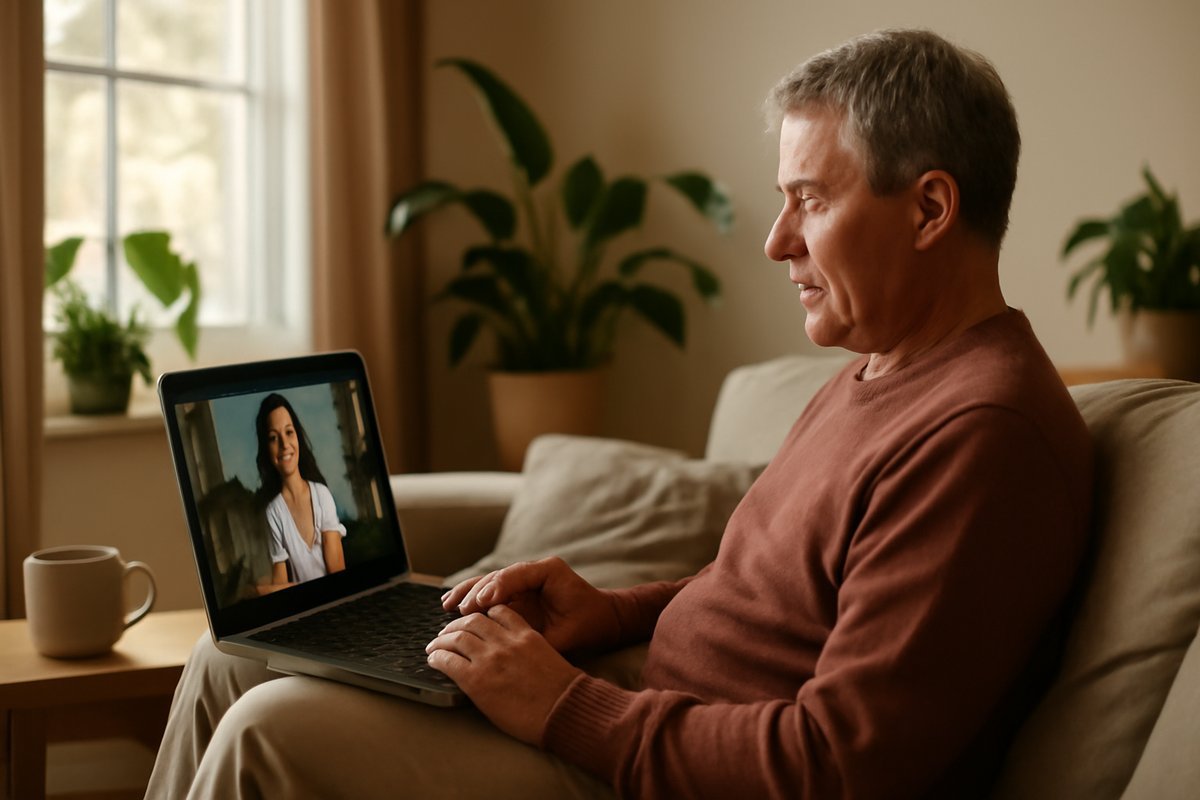
  • Online Therapy for Social Phobia: What Actually Works

    Online Therapy for Social Phobia: What Actually Works

    Social phobia goes far beyond shyness — and for millions of Americans, it quietly shrinks their world one avoided situation at a time.

    Marcus, 41, had turned down three promotions in five years. Not because he wasn’t qualified — his manager said he was one of the sharpest analysts on the team. But every promotion came with presentations, meetings, and visibility. And Marcus had spent most of his adult life carefully engineering a life that kept him invisible. He thought it was a personality quirk. His therapist called it social anxiety disorder.

    According to the National Institute of Mental Health (NIMH), social anxiety disorder — also called social phobia — affects approximately 15 million American adults, making it one of the most common mental health conditions in the United States. Yet fewer than 5% of people with social anxiety disorder seek professional help within the first year of symptom onset, often because the very act of seeking help feels overwhelming.

    That’s where online therapy is changing the equation. In this guide, you’ll learn what social phobia actually is, how digital mental health care addresses avoidance behaviors, what evidence-based treatments are used, and how to know if online therapy might be the right first step for you.

    What Is Social Phobia (Social Anxiety Disorder)?

    Social phobia, clinically known as social anxiety disorder (SAD), is a persistent and intense fear of social or performance situations in which a person fears being judged, embarrassed, humiliated, or rejected by others. This goes well beyond typical nervousness before a big presentation.

    People with social phobia often experience debilitating distress in everyday scenarios — eating in public, making phone calls, meeting new people, or even being seen in a grocery store checkout line. The fear is disproportionate to the actual threat, and the person usually recognizes that intellectually — but that recognition doesn’t reduce the anxiety.

    According to the Anxiety and Depression Association of America (ADAA), social anxiety disorder typically begins around age 13 and frequently goes undiagnosed well into adulthood. Without treatment, it tends to worsen over time, particularly as avoidance behaviors become more entrenched and the person’s social world narrows.

    This condition affects men and women nearly equally, though research suggests women may experience higher rates of comorbid depression, while men more often develop secondary alcohol use as a coping mechanism. It is considered a serious, diagnosable mental health condition — not a personality flaw or a simple case of introversion.

    Signs and Symptoms: More Than Just Shyness

    Understanding the full symptom picture of social phobia is essential, because many people dismiss their struggles as "just being shy" for years — sometimes decades — before recognizing the pattern for what it is.

    Common early signs include:

    • Intense worry in the days or weeks before a social event
    • Avoiding phone calls, meetings, or group activities
    • Blushing, sweating, trembling, or nausea in social settings
    • Difficulty making eye contact or speaking clearly when anxious
    • Replaying social interactions mentally and fixating on perceived mistakes
    • Fear of being observed while eating, writing, or working

    Advanced or more severe signs include:

    • Turning down job opportunities, relationships, or social invitations to avoid discomfort
    • Substance use (alcohol in particular) to tolerate social situations
    • Significant occupational or academic impairment
    • Complete social withdrawal or near-total isolation
    • Co-occurring depression, panic disorder, or agoraphobia

    A 2021 meta-analysis published in the journal Psychological Medicine found that individuals with untreated social anxiety disorder experience significantly lower quality of life, reduced economic productivity, and higher rates of comorbid psychiatric conditions compared to those who receive evidence-based treatment. Early identification matters enormously.

    Causes and Risk Factors

    Social phobia doesn’t have a single cause. Research consistently points to a combination of biological, psychological, and environmental factors — and the balance of those factors varies significantly from person to person.

    Biological factors: Neuroimaging studies conducted at institutions including Harvard Medical School suggest that individuals with social anxiety disorder often show heightened amygdala reactivity — meaning the brain’s fear-processing center fires more intensely in response to social cues. There is also a clear genetic component: having a first-degree relative with social anxiety disorder roughly doubles your own risk, according to NIH research.

    Psychological factors: Early negative social experiences, including bullying, public humiliation, or harsh criticism during childhood, are strongly associated with later social phobia. Certain thinking styles — such as a tendency toward catastrophic interpretation of social events or heightened self-focused attention — are also significant contributors.

    Environmental and cultural factors: The CDC notes that social isolation, which surged significantly during the COVID-19 pandemic era, is associated with worsening anxiety symptoms and avoidance reinforcement. For many adults who managed mild social anxiety for years, the extended period of reduced social contact during 2020-2021 caused symptoms to intensify markedly when they attempted to re-engage in public life.

    High-pressure professional environments, particularly those common in large US cities, can also exacerbate existing social anxiety by creating high-stakes performance demands on a near-daily basis.

    Diagnosis: What to Expect

    Social phobia is diagnosed based on clinical criteria outlined in the DSM-5 (Diagnostic and Statistical Manual of Mental Disorders, 5th Edition). A licensed mental health professional — psychologist, psychiatrist, or licensed clinical social worker — will typically conduct a structured interview and may use validated assessment tools such as the Liebowitz Social Anxiety Scale (LSAS) or the Social Phobia Inventory (SPIN).

    For diagnosis, symptoms must be present for six months or longer, cause significant distress or functional impairment, and not be better explained by another medical or psychiatric condition.

    It’s worth noting that many people with social anxiety disorder avoid seeking diagnosis precisely because the evaluation process feels threatening. This is one of the most powerful arguments for telehealth-based assessment: being evaluated from the privacy and comfort of your own home removes a significant access barrier for this specific population.

    If you’ve been experiencing persistent social fear or avoidance for more than six months that is affecting your work, relationships, or daily functioning, that is a clinically appropriate reason to seek evaluation. You don’t need to "be bad enough" to deserve professional support.

    Treatment Options: Where Online Therapy Fits In

    The good news is that social anxiety disorder is among the most treatable of all anxiety conditions. Clinical evidence strongly supports several therapeutic approaches — and a growing body of research confirms that these treatments are highly effective when delivered via online platforms.

    Cognitive Behavioral Therapy (CBT)

    CBT is the gold standard treatment for social phobia, with decades of clinical trial data supporting its effectiveness. The American Psychological Association (APA) classifies CBT as a well-established treatment for social anxiety disorder. CBT for SAD typically involves two core components:

    • Cognitive restructuring: Identifying and challenging distorted thoughts about social situations (such as "Everyone will notice I’m nervous" or "I’ll embarrass myself and they’ll never forget it")
    • Behavioral exposure: Gradually and systematically confronting feared social situations in a structured, therapist-guided way rather than continuing to avoid them

    A landmark 2014 meta-analysis published in JAMA Psychiatry found that CBT — including internet-delivered CBT — produced significant, durable improvements in social anxiety symptoms, with effects maintained at follow-up periods of up to two years.

    Internet-Delivered CBT (iCBT) for Social Anxiety

    Online therapy platforms now offer live video CBT sessions with licensed therapists, as well as structured iCBT programs with therapist check-ins. Research from institutions including Stanford University and the Karolinska Institute confirms that internet-delivered CBT produces outcomes comparable to face-to-face CBT for social anxiety disorder in the majority of patients.

    For individuals with social phobia specifically, online therapy offers a unique therapeutic advantage: the initial sessions can begin in a lower-threat environment (home), allowing the therapeutic alliance to develop before more challenging exposures are introduced. Many therapists report that clients with severe social anxiety engage more openly and honestly from the start when sessions are conducted remotely.

    Exposure Therapy and Graduated Practice

    Exposure therapy — systematically facing feared situations rather than avoiding them — is a cornerstone of social phobia treatment. Online therapists can help you build a personalized exposure hierarchy (a ranked list of feared situations, from mildly uncomfortable to most challenging) and work through it step by step between sessions.

    Modern telehealth platforms also make it possible for therapists to guide virtual exposures directly during sessions, such as practicing a work presentation via video call or scripted phone conversations with the therapist playing different roles.

    Medication as a Complement

    For moderate to severe social anxiety disorder, most physicians and psychiatrists recommend a combination of psychotherapy and medication. The most commonly prescribed medications include selective serotonin reuptake inhibitors (SSRIs) such as sertraline and paroxetine, both of which carry FDA approval specifically for social anxiety disorder. Beta-blockers are sometimes used for situational performance anxiety.

    Online psychiatry services — increasingly available through telehealth platforms — allow adults to access medication evaluation and management without an in-person office visit, which again reduces one of the primary barriers for this population. Medication decisions should always be made in consultation with a qualified prescriber who has conducted a thorough evaluation.

    Mindfulness-Based Approaches

    Mindfulness-Based Stress Reduction (MBSR) and Acceptance and Commitment Therapy (ACT) have shown promising results as complements to CBT for social anxiety. ACT, in particular, focuses on reducing experiential avoidance and increasing psychological flexibility — directly targeting the avoidance patterns that maintain social phobia over time. Research from the NIH suggests ACT may be especially useful for individuals who have not fully responded to traditional CBT alone.

    If you’re curious about how structured digital programs work for anxiety-adjacent issues like sleep disturbance, our article on Online Therapy for Insomnia: CBT-I and Digital Sleep Care gives a useful framework for understanding how therapist-guided digital interventions are structured.

    Living With Social Phobia: Day-to-Day Strategies That Help

    Therapy is the engine of recovery from social anxiety — but what you do between sessions matters significantly. Research suggests that consistent behavioral practice, not just insight, is what produces lasting change.

    Practical strategies supported by clinical evidence:

    • Approach rather than avoid, even in small ways: Each time you avoid a feared situation, the fear grows stronger. Each time you approach it — even imperfectly — your nervous system gets new data that the threat was survivable. Start with low-stakes exposure: replying to an email you’ve been avoiding, ordering food at a restaurant, or saying hello to a neighbor.
    • Shift attention outward: Research consistently shows that self-focused attention (monitoring how you appear to others) amplifies social anxiety. Practice deliberately directing your attention to the other person, the conversation content, or the environment rather than to your own internal sensations.
    • Limit reassurance-seeking behaviors: Asking for constant reassurance ("Did I seem weird?" "Was that okay?") provides temporary relief but maintains the anxiety cycle long-term. Your therapist can help you reduce this pattern gradually.
    • Regular aerobic exercise: A meta-analysis published in Depression and Anxiety found that regular aerobic exercise reduces anxiety sensitivity — the fear of anxiety symptoms themselves — which is a key maintaining factor in social phobia.
    • Sleep hygiene: Poor sleep amplifies threat perception and reduces emotional regulation. Protecting your sleep quality is a legitimate part of anxiety management. You can learn more about the relationship between anxiety and poor rest in our overview of Online Therapy for Bipolar Disorder, where sleep regulation is also discussed in depth.

    When to Call Your Doctor or Seek Emergency Care

    Social anxiety disorder rarely constitutes a medical emergency on its own — but there are important exceptions and escalation points to be aware of.

    Seek prompt professional evaluation if:

    • You are using alcohol or other substances regularly to manage social situations
    • Your avoidance has led to inability to work, attend school, or leave your home
    • You are experiencing symptoms of depression alongside social anxiety (persistent low mood, loss of interest, fatigue)
    • Social anxiety has developed or dramatically worsened suddenly — rapid onset anxiety in adults can sometimes have an underlying medical cause worth evaluating

    Seek emergency care or contact 988 (Suicide and Crisis Lifeline) immediately if:

    • You are experiencing thoughts of self-harm or suicide
    • You feel you cannot keep yourself safe
    • A loved one’s withdrawal has become so complete that you are concerned for their wellbeing

    What to tell your doctor at your next visit: Be specific about how avoidance is affecting your daily life. Saying "I haven’t been able to make a phone call without panicking in six months" gives your provider much more actionable information than "I’m anxious sometimes." Specificity leads to better care.

    Frequently Asked Questions

    Is online therapy effective for severe social anxiety?
    Research suggests yes — for the majority of patients with social anxiety disorder, including those with moderate to severe symptoms, internet-delivered CBT produces clinically meaningful improvements. A 2022 systematic review published in Frontiers in Psychiatry concluded that digital interventions for social anxiety are effective, accessible, and particularly well-suited to this population given that avoidance of help-seeking is a core feature of the condition. Severe cases may benefit from combined therapy plus medication management, which can also be coordinated through telehealth platforms.

    How long does treatment for social phobia usually take?
    This varies from person to person. A typical course of CBT for social anxiety disorder involves 12 to 20 weekly sessions, though some individuals see meaningful improvement in as few as 8 sessions. The length of treatment depends on symptom severity, the presence of comorbid conditions, and how consistently therapeutic exercises are practiced between sessions. Medication, when prescribed, may take four to six weeks to reach therapeutic effect.

    Can I do online therapy if I’m anxious about talking to a therapist at all?
    This is one of the most common concerns — and one of the strongest reasons to try online therapy first. Many platforms allow you to begin with asynchronous messaging (text-based communication), which removes the immediate social pressure of a live video session. You can also start with video sessions from a private, comfortable space in your home. Most licensed therapists who work with social anxiety are specifically trained to make initial contact as low-barrier as possible.

    Does social phobia ever go away on its own?
    For most adults, social anxiety disorder does not resolve without some form of intervention. In fact, without treatment, symptoms tend to worsen as avoidance becomes more habitual and the person’s world becomes progressively smaller. However, with appropriate therapy — online or in-person — the majority of people experience significant, lasting symptom reduction. Recovery is possible and common; untreated persistence is the more likely outcome without support.

    What’s the difference between social phobia and introversion?
    Introversion is a personality trait — a preference for quieter, less stimulating environments and a tendency to recharge through solitude. It does not involve fear, distress, or impairment. Social phobia, by contrast, involves intense fear and significant functional impairment. An introvert can choose to attend a party and enjoy it; a person with social phobia may be unable to attend despite genuinely wanting to, due to overwhelming fear. The distinction matters clinically because introversion requires no treatment while social anxiety disorder often benefits greatly from it.

    Conclusion

    Social phobia is one of the most quietly debilitating conditions affecting American adults today — and one of the most treatable. If you’ve spent years avoiding situations that other people seem to navigate effortlessly, the problem is not your character. It’s a well-understood neurological and psychological pattern that responds well to evidence-based care.

    Online therapy has made that care more accessible than ever before — particularly for those whose anxiety has made it difficult to seek help through traditional means. Whether you start with a single intake call, a text-based check-in, or a structured CBT program, the most important step is simply beginning.

    Talk to your primary care physician or a licensed mental health professional to explore whether online therapy for social phobia is the right next step for you. You deserve a life that isn’t organized around avoidance.


    Medical Disclaimer: This article is for informational and educational purposes only. It does not constitute medical advice, diagnosis, or treatment. Always consult your physician or a qualified healthcare provider before making changes to your health routine or treatment plan.

    Medically reviewed by our editorial health team. Content follows evidence-based standards aligned with CDC and NIH guidelines.

  • Online Therapy for Grief: Does It Really Help?

    Online Therapy for Grief: Does It Really Help?

    Losing someone you love can feel like the ground has disappeared beneath your feet — and finding the right support shouldn’t add to that burden.

    When Marcus, 54, lost his wife of 28 years to cancer, he knew he needed help. But leaving the house felt impossible. Driving past familiar places made the grief unbearable. Sitting in a waiting room filled with strangers seemed unthinkable. A friend suggested he try online therapy — and within weeks, he had a licensed grief counselor he trusted, sessions he could attend from his living room couch, and for the first time since his loss, a path forward.

    According to the American Psychological Association, grief and bereavement are among the most psychologically taxing experiences a human being can endure. And yet, millions of Americans navigate this process without any professional support. If you’re dealing with the death of a loved one, a major life loss, or complicated grief, online therapy for grief may be one of the most accessible and effective options available to you. This guide will walk you through what grief therapy involves, how online platforms deliver it, and what the evidence says about its effectiveness.

    What Is Grief Therapy — and Why Does It Matter?

    Grief is the natural emotional, physical, and psychological response to loss. It encompasses feelings of sadness, anger, guilt, confusion, and sometimes even relief — and there is no single “correct” way to grieve. But when grief becomes prolonged, disabling, or leads to clinical depression or anxiety, professional intervention becomes essential.

    Grief therapy is a specialized form of psychotherapy (talk therapy) that helps individuals process loss in a structured, supportive environment. It is distinct from grief counseling in that therapists can diagnose and treat clinical conditions like Prolonged Grief Disorder (PGD) — formerly called Complicated Grief — a condition recognized by the DSM-5 in which intense grief symptoms persist for more than 12 months in adults and significantly impair daily functioning.

    According to the National Institute of Mental Health (NIMH), approximately 7 to 10 percent of bereaved individuals develop Prolonged Grief Disorder — meaning millions of Americans each year may need more than time alone to heal.

    Online grief therapy brings licensed mental health professionals directly to you via secure video sessions, messaging platforms, or phone calls — removing the logistical and emotional barriers that often prevent grieving people from seeking care.

    Signs You May Need Professional Grief Support

    Not all grief requires therapy, but some signs suggest that professional support could make a meaningful difference. Understanding where you fall on the spectrum is an important first step.

    Early signs that therapy may help:

    • Persistent sadness that doesn’t ease after several weeks
    • Difficulty returning to daily routines, work, or relationships
    • Emotional numbness or feeling disconnected from life
    • Difficulty accepting the reality of the loss
    • Excessive guilt or self-blame
    • Loss of appetite, disrupted sleep, or physical exhaustion
    • Withdrawing from friends, family, and social activities

    Advanced or red-flag signs requiring immediate attention:

    • Thoughts of suicide or self-harm
    • Complete inability to function at work or home for weeks
    • Substance use as a coping mechanism
    • Hallucinations or persistent belief that the deceased is still present in a distressing way
    • Symptoms of clinical depression lasting more than two weeks

    A 2023 study published in JAMA Psychiatry found that individuals with untreated Prolonged Grief Disorder had significantly elevated rates of cardiovascular events, immune dysfunction, and mortality compared to those who received grief-focused therapy. This underscores why treating grief as a serious health issue — not just an emotional one — is critical.

    What Causes Grief to Become Complicated?

    Grief doesn’t follow a single path. While the late psychiatrist Elisabeth Kübler-Ross popularized the concept of “five stages of grief,” most modern clinicians recognize that grief is highly individual and nonlinear. Several factors can make grief more difficult to process and more likely to require professional support.

    Psychological and personal factors:

    • Pre-existing depression, anxiety, or trauma history
    • Insecure attachment styles (difficulty trusting or opening up to others)
    • History of previous significant losses
    • Low social support network

    Situational and relational factors:

    • Sudden, traumatic, or violent death
    • Loss of a child or young person
    • Ambivalent or complicated relationship with the deceased
    • Multiple concurrent losses
    • Caregiver burnout prior to the loss

    Social and environmental factors:

    • Isolation or rural location with limited access to counselors
    • Cultural expectations that suppress grieving
    • Financial stress following the death
    • Lack of bereavement leave or employer support

    According to the CDC, more than 3.3 million Americans die each year — leaving behind an estimated average of five close loved ones each. That means over 15 million people per year enter active bereavement, many of whom face one or more of the risk factors listed above. Online therapy for grief has the potential to reach many individuals who would otherwise go unsupported, particularly those in rural areas, those with mobility limitations, or those experiencing the kind of exhaustion that makes even small tasks feel impossible.

    How Online Grief Therapy Works: What to Expect

    If you’ve never tried therapy before, the process can feel unfamiliar. Here’s what most people experience when starting online grief therapy.

    Initial assessment: Most platforms begin with an intake questionnaire covering your mental health history, the nature of your loss, current symptoms, and therapy goals. This helps match you with a licensed therapist who specializes in bereavement or grief work.

    Session format: Sessions are typically conducted via HIPAA-compliant video conferencing, similar to a telehealth doctor’s visit. Some platforms also offer live chat or asynchronous messaging, which can be helpful for expressing thoughts that are difficult to say aloud. Sessions usually last 45 to 50 minutes and occur weekly or biweekly.

    Evidence-based approaches used in grief therapy:

    • Cognitive Behavioral Therapy (CBT): Helps identify and reframe unhelpful thought patterns, such as excessive guilt or catastrophic thinking about the future
    • Complicated Grief Treatment (CGT): A structured protocol developed by researchers at Columbia University specifically for Prolonged Grief Disorder — shown in clinical trials to significantly reduce PGD symptoms
    • Acceptance and Commitment Therapy (ACT): Focuses on accepting painful emotions while committing to a meaningful life despite loss
    • Narrative Therapy: Helps clients reconstruct their identity and life story in the context of loss
    • Mindfulness-Based Interventions: Reduce rumination and help clients stay grounded in the present

    Clinical evidence indicates that online therapy can be as effective as in-person therapy for grief-related conditions. A 2022 meta-analysis published in Clinical Psychology Review found no statistically significant difference in outcomes between internet-delivered and face-to-face psychotherapy for bereavement and grief symptoms. This is consistent with broader telehealth research from the NIH, which has repeatedly demonstrated treatment equivalence across a range of mental health conditions.

    If grief has contributed to anxiety symptoms, our article on Online Therapy for Anxiety: Does It Really Work? offers additional context on how virtual platforms address overlapping mental health challenges.

    Living Through Grief: Day-to-Day Strategies That Support Therapy

    Therapy is the clinical cornerstone of grief recovery, but your daily habits also shape the healing process. Research suggests that the following strategies, used alongside professional care, can meaningfully support emotional recovery.

    Maintain basic physical routines. Grief disrupts sleep, appetite, and exercise habits. Research published in the Journal of Psychiatric Research found that consistent physical activity — even 20 to 30 minutes of walking daily — significantly reduced depressive symptoms in bereaved individuals. You don’t need to perform; you just need to move.

    Stay connected, even when it’s hard. Social withdrawal is one of the most common and damaging grief responses. While isolation feels protective, it tends to deepen depression. Grief support groups — including online communities — provide low-pressure connection with others who understand loss firsthand.

    Create rituals of remembrance. Clinical evidence indicates that healthy continuing bonds with the deceased — through photos, rituals, or meaningful objects — can be adaptive and healing, rather than a sign of pathological grief. Your therapist can help you find the balance.

    Limit major decisions during acute grief. Most physicians recommend avoiding irreversible financial or relational decisions in the first year following significant loss, as grief impairs judgment and long-term perspective.

    Be patient with setbacks. Grief is not linear. “Grief bursts” — sudden, intense waves of emotion triggered by anniversaries, songs, or unexpected reminders — are normal even years after a loss. This varies from person to person and does not indicate failure or regression.

    If you’re also managing a chronic health condition during your grief journey, stress can significantly affect your physical health. Our guide on Online Therapy for Stress: Does It Really Work? explores how virtual mental health care addresses the physical toll of emotional distress.

    When to Call Your Doctor or Seek Emergency Care

    While grief is a normal human experience, some symptoms cross the threshold into medical and psychiatric emergencies. Knowing when to escalate your care could be life-saving.

    Call your doctor promptly if you experience:

    • Persistent inability to eat or sleep for more than a few days
    • Worsening depression that doesn’t lift after 2 to 4 weeks
    • Increasing use of alcohol or medications to cope
    • Physical symptoms such as chest pain, heart palpitations, or extreme fatigue that may be grief-related but need medical evaluation

    Call 911 or go to the nearest emergency room immediately if you or someone you know:

    • Is experiencing thoughts of suicide or self-harm
    • Has made a plan or attempt to end their life
    • Is in a state of acute mental health crisis and cannot be safely monitored

    You can also contact the 988 Suicide and Crisis Lifeline by calling or texting 988 — available 24 hours a day, 7 days a week. This is a free, confidential resource for people in emotional distress.

    When speaking with your doctor or therapist about grief, it helps to be as specific as possible. Consider noting: how long you’ve been experiencing symptoms, whether they’ve improved or worsened over time, any physical changes you’ve noticed, and whether you’re having any thoughts of self-harm. This information helps your provider make the most informed clinical decisions.

    Frequently Asked Questions About Online Therapy for Grief

    Is online therapy as effective as in-person therapy for grief?
    Research suggests yes. Multiple meta-analyses, including work supported by NIH-funded researchers, have found that internet-delivered grief therapy produces outcomes comparable to face-to-face therapy across measures of depression, anxiety, and grief severity. The key factor is the quality of the therapeutic relationship and the use of evidence-based protocols — not the delivery format.

    How long does grief therapy typically take?
    This varies significantly from person to person. Many individuals benefit from 8 to 16 structured sessions, while those with Prolonged Grief Disorder may require several months of more intensive treatment. Your therapist will regularly reassess your progress and adjust the timeline accordingly. There is no single “right” duration.

    Will my insurance cover online grief therapy?
    Under the Mental Health Parity and Addiction Equity Act, most insurance plans in the United States are required to cover mental health services — including grief therapy — at the same level as physical health services. Telehealth coverage expanded significantly following federal legislation updates in 2020 and 2021. Contact your insurer directly to confirm your telehealth benefits before your first session.

    What’s the difference between grief counseling and grief therapy?
    Grief counseling is typically provided by counselors or social workers and focuses on emotional support, coping skills, and psychoeducation. Grief therapy is conducted by licensed clinical psychologists, psychiatrists, or licensed clinical social workers and can include formal diagnosis and treatment of clinical conditions like Prolonged Grief Disorder or Major Depressive Disorder. If your symptoms are severe or disabling, therapy with a licensed clinician is strongly recommended.

    Can I do online grief therapy while also attending a support group?
    Absolutely. Clinical evidence indicates that combining individual therapy with peer support — including online grief support communities — can enhance recovery. Support groups offer shared experience and community connection, while therapy provides individualized, clinically guided treatment. Most therapists actively encourage clients to maintain social support networks alongside their sessions.

    If you’re also managing a co-occurring condition like depression, our detailed overview on Online Therapy for Stress Management may offer complementary insights into how virtual mental health platforms operate across different emotional health needs.

    Conclusion

    Grief is one of the most universally human experiences — and one of the most isolating. The good news is that effective, compassionate, evidence-based support is now more accessible than ever before. Online therapy for grief brings licensed clinicians directly to you, removes the logistical barriers that make in-person care difficult during the hardest moments of your life, and delivers results backed by rigorous clinical research.

    Whether you’re in the early weeks of acute loss or struggling months later with grief that won’t seem to lift, professional support is not a sign of weakness. It is a practical, medically sound step toward healing. You don’t have to navigate this alone — and with online therapy, you no longer have to choose between getting help and getting through the day.

    Talk to your primary care physician or reach out to a licensed mental health platform to explore your options. The right support, at the right time, can change everything.


    Medical Disclaimer: This article is for informational and educational purposes only. It does not constitute medical advice, diagnosis, or treatment. Always consult your physician or a qualified healthcare provider before making changes to your health routine or treatment plan.

    Medically reviewed by our editorial health team. Content follows evidence-based standards aligned with CDC and NIH guidelines.