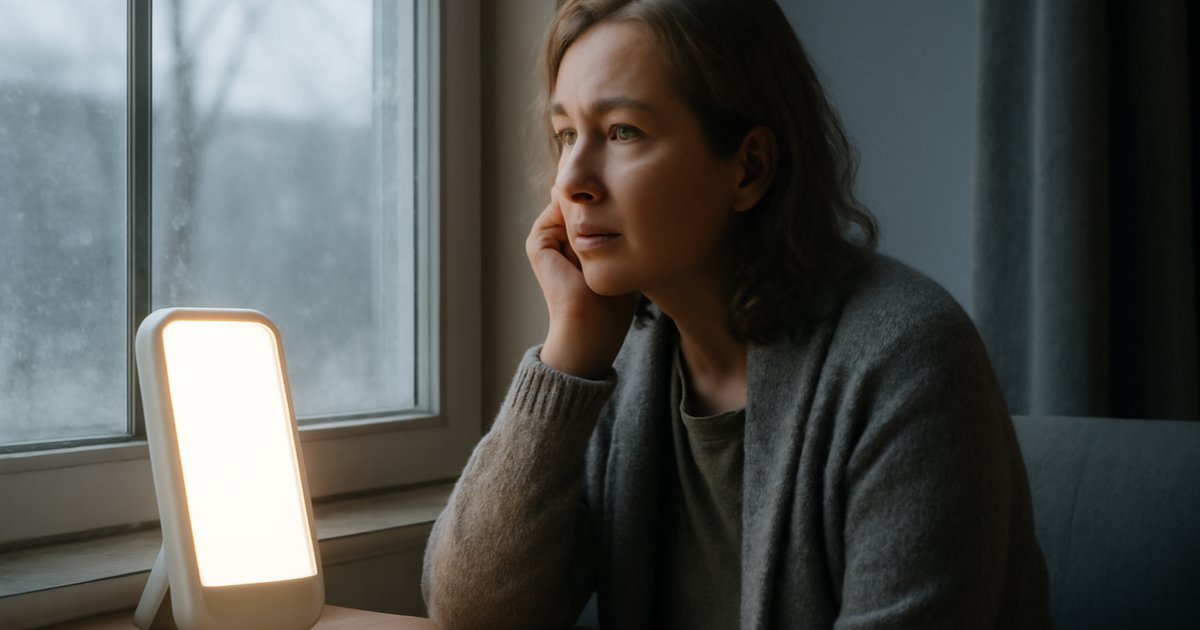
Seasonal Affective Disorder: Symptoms, Causes & Treatment
When winter brings more than cold weather — and your mood drops with the temperature every single year.
Introduction
Mark, 47, noticed a pattern he couldn’t ignore. Every November, his energy would crash. He’d sleep nine or ten hours and still feel exhausted. He’d withdraw from friends, skip the gym, and reach for carbs at every meal. By March, he’d snap back — only to repeat the cycle the following fall. His doctor finally gave it a name: Seasonal Affective Disorder, commonly known as SAD.
According to the National Institute of Mental Health (NIMH), SAD affects an estimated 5% of adults in the United States, with symptoms lasting about 40% of the year for many sufferers. Women are diagnosed two to three times more often than men, though men often experience more severe episodes when they do develop the condition.
SAD is not simply “the winter blues.” It is a clinically recognized subtype of major depressive disorder with a seasonal pattern — and it is treatable. In this guide, you’ll learn exactly what SAD is, how it’s diagnosed, what causes it, and what the most effective evidence-based treatments look like in 2026.
What Is Seasonal Affective Disorder?
Seasonal Affective Disorder is a form of recurrent depression that follows a predictable seasonal pattern. In most cases, symptoms begin in late fall or early winter and resolve naturally in spring. A less common form, sometimes called “summer SAD,” follows the opposite cycle — beginning in spring or summer and resolving in fall.
The American Psychiatric Association classifies SAD under Major Depressive Disorder with Seasonal Pattern in the DSM-5-TR. To meet the diagnostic criteria, depressive episodes must occur at a specific time of year for at least two consecutive years, with full remission during the off-season — and the seasonal episodes must significantly outnumber any non-seasonal depressive episodes.
The NIMH estimates that another 10–20% of Americans experience a milder form called “subsyndromal SAD” or the winter blues — not severe enough for a formal diagnosis, but significant enough to affect daily functioning and quality of life.
SAD is not a personal weakness or a character flaw. It is a biological response to environmental change, rooted in how your brain processes light, regulates mood, and manages internal body rhythms.
Signs and Symptoms of SAD
The symptoms of SAD overlap significantly with major depression, but they follow a seasonal rhythm. Most people notice the pattern only in hindsight — after it has recurred for two or more years.
Early and Moderate Symptoms (Winter-Onset SAD)
- Persistent low mood or sadness lasting most of the day, nearly every day
- Loss of interest in activities you normally enjoy (anhedonia)
- Low energy and fatigue, even after adequate sleep
- Oversleeping (hypersomnia) — sleeping 10+ hours but never feeling rested
- Increased appetite, especially for carbohydrates and sugary foods
- Weight gain during the seasonal episode
- Difficulty concentrating, brain fog, and slow thinking
- Social withdrawal — “hibernating” behavior
- Feelings of hopelessness or worthlessness
- Irritability or anxiety
Signs That Distinguish SAD From General Depression
- Symptoms begin and end at roughly the same time each year
- Complete or near-complete remission in spring or summer without treatment
- Atypical depressive features: oversleeping (rather than insomnia), overeating (rather than appetite loss), and weight gain
- Carbohydrate craving that feels almost compulsive
A 2021 study published in the Journal of Affective Disorders found that individuals with SAD reported significantly higher rates of social impairment and work-related dysfunction during winter months compared to their spring and summer functioning — reinforcing that this is not simply a seasonal mood variation but a clinically meaningful episode of depression.
Causes and Risk Factors
Researchers believe SAD results from a combination of biological and environmental factors. No single cause has been identified, but several mechanisms are well-supported by clinical evidence.
Reduced Sunlight and Circadian Disruption
The most widely supported explanation involves reduced exposure to sunlight during shorter winter days. Light plays a critical role in regulating your circadian rhythm — your body’s internal 24-hour clock. When daylight decreases, your circadian timing can shift, disrupting sleep, appetite, and mood regulation.
Serotonin Dysregulation
Research suggests that people with SAD may have higher-than-normal levels of serotonin transporter (SERT) activity in winter. Higher SERT activity means serotonin is removed from the brain’s synapses more quickly — leading to lower available serotonin and depressive symptoms. Sunlight normally suppresses SERT activity, which is why light exposure is a core treatment.
Melatonin Overproduction
Melatonin, the hormone that signals nighttime to your body, is produced in greater amounts during longer winter nights. Some individuals with SAD appear to be more sensitive to this shift, causing prolonged drowsiness, fatigue, and mood disruption.
Vitamin D Deficiency
The NIH notes that vitamin D synthesis depends on sunlight exposure. Deficiency is widespread in the US — especially in northern states during winter — and some studies suggest low vitamin D levels may worsen depressive symptoms, though direct causation in SAD specifically remains under investigation.
Key Risk Factors
- Geography: SAD is significantly more common in people living at higher latitudes (farther from the equator). Rates are much higher in Alaska, Minnesota, and New England than in Florida or Texas.
- Sex: Women are two to three times more likely to be diagnosed with SAD than men.
- Age: SAD most commonly begins between ages 18 and 30, though it can develop at any age.
- Family history: Having a first-degree relative with SAD or another mood disorder increases your risk.
- Existing mental health conditions: People with major depressive disorder or bipolar disorder are at elevated risk for a seasonal pattern.
Diagnosis: What to Expect
There is no blood test or brain scan that diagnoses SAD. Your doctor or mental health provider will conduct a thorough clinical evaluation to reach a diagnosis.
What the Diagnostic Process Typically Involves
- Detailed symptom history: Your provider will ask about the timing, duration, and severity of your mood episodes across multiple years.
- Ruling out other causes: Blood work may be ordered to check thyroid function (hypothyroidism can mimic SAD symptoms), vitamin D levels, and complete blood count to rule out anemia.
- Screening questionnaires: Tools like the Seasonal Pattern Assessment Questionnaire (SPAQ) or the PHQ-9 may be used to assess symptom severity and pattern.
- Mental health history: Your provider will assess for bipolar disorder, because light therapy (a primary SAD treatment) can trigger mania in susceptible individuals — making accurate diagnosis critical.
When to Seek an Evaluation
You should schedule an appointment with your primary care provider or a mental health professional if your mood consistently drops for several weeks each fall or winter, if symptoms interfere with your work or relationships, or if you notice the same pattern recurring year after year. Early diagnosis leads to earlier intervention — and better outcomes.
If you are experiencing thoughts of self-harm or suicide at any time, seek emergency care immediately or call or text the 988 Suicide and Crisis Lifeline.
Treatment Options for Seasonal Affective Disorder
The good news: SAD is among the most treatable forms of depression. Most people respond well to one or more of the evidence-based approaches below. Many individuals require a combination of treatments, and this varies from person to person.
Light Therapy (Phototherapy)
Light therapy is considered the first-line treatment for winter-onset SAD by most psychiatrists and primary care guidelines. It involves sitting in front of a 10,000-lux light therapy box for 20 to 30 minutes each morning, typically shortly after waking.
Clinical evidence indicates that light therapy produces significant symptom improvement in approximately 50–80% of SAD patients within one to two weeks of consistent use, according to research reviewed by the American Psychiatric Association. It works by compensating for reduced sunlight exposure and helping to reset circadian rhythms.
Most physicians recommend beginning light therapy in early fall, before symptoms typically start, for maximum benefit. Side effects are generally mild and may include mild headache, eye strain, or nausea, which often resolve with adjusted timing or distance from the light box.
Antidepressant Medications
For moderate to severe SAD, or when light therapy alone is insufficient, antidepressants — particularly selective serotonin reuptake inhibitors (SSRIs) — are commonly prescribed. The FDA has approved bupropion extended-release specifically for the prevention of SAD in adults with a history of the condition.
Research suggests that starting medication preventively in early fall, before symptoms emerge, may be more effective than waiting until a full depressive episode develops. Your doctor will determine whether medication is appropriate for your specific situation.
Cognitive Behavioral Therapy (CBT)
A specialized form of psychotherapy called CBT-SAD has been developed specifically for seasonal depression. It focuses on identifying and changing negative thought patterns, developing behavioral activation strategies (scheduling meaningful activities during winter), and building coping skills for the recurring nature of the condition.
A landmark randomized controlled trial published in The American Journal of Psychiatry found that CBT-SAD produced outcomes comparable to light therapy in the short term — and showed superior relapse prevention over subsequent winters compared to light therapy alone. If you are interested in online therapy as a complement to your treatment plan, exploring evidence-based platforms can be a practical option, particularly during winter months when leaving home feels harder. Online Therapy for Chronic Pain: Does It Really Help? offers a useful look at how digital therapy platforms deliver real clinical support.
Lifestyle Modifications as Complements to Treatment
These approaches should complement — not replace — professional medical treatment, but clinical evidence supports their meaningful benefit:
- Regular aerobic exercise: Research indicates exercise can reduce depressive symptoms significantly. Even 30 minutes of moderate activity most days of the week can help regulate mood, sleep, and energy.
- Dawn simulators: Alarm clocks that gradually brighten your room before you wake can help regulate circadian rhythms and ease the transition into winter mornings.
- Maximizing natural light: Sit near windows during the day, take outdoor walks during daylight hours, and keep window coverings open.
- Consistent sleep schedule: Going to bed and waking at the same time each day helps stabilize circadian rhythms disrupted by SAD.
- Nutritional awareness: While no specific diet has been proven to treat SAD, maintaining stable blood sugar and limiting refined carbohydrate excess may reduce the energy crashes and cravings common to the condition.
Living With SAD: Day-to-Day Management and Prevention
Because SAD is recurrent, long-term management is just as important as acute treatment. Understanding your personal pattern is one of the most empowering tools you have.
Build Your Seasonal Action Plan
Work with your healthcare provider each year to have a plan in place before your symptoms typically begin. This might include starting light therapy in September or October, scheduling therapy appointments through the winter, and putting physical activity on your calendar as a non-negotiable commitment.
Strengthen Your Social Support
Social withdrawal is one of the most disabling aspects of SAD — and also one of the most counterproductive. Research consistently shows that social connection is protective against depression. Letting trusted friends or family members know about your condition means they can check in, invite you out, and provide accountability during your most vulnerable months.
Monitor Your Mental Health Between Seasons
SAD can sometimes mask or overlap with other mood disorders. If you notice depressive symptoms persisting into spring or summer, or if you experience unusually elevated mood or energy in the warmer months, discuss this with your doctor. This could signal a need to reassess your diagnosis or treatment plan. For context on how depression and anxiety can co-occur, Depression and Anxiety Together: Symptoms & Treatment provides a helpful clinical overview.
Prevention Strategies With Evidence Support
- Beginning light therapy prophylactically in early fall before symptoms start has been shown to delay or prevent depressive episodes in people with confirmed SAD history.
- Maintaining a consistent exercise routine year-round — not just during episodes — builds resilience in mood-regulating systems.
- Annual check-ins with your provider each fall to review your plan, adjust medications if needed, and assess vitamin D levels can prevent the condition from progressing to a full depressive episode.
When to Call Your Doctor or Seek Emergency Help
Understanding the difference between manageable SAD symptoms and a mental health emergency is critical.
Schedule an Appointment With Your Doctor If:
- Your symptoms follow a seasonal pattern and have recurred for two or more years
- Low mood, fatigue, or social withdrawal are affecting your work, relationships, or daily functioning
- Light therapy or lifestyle changes alone are not providing sufficient relief
- You notice your symptoms starting earlier or lasting longer than previous years
- You are pregnant or planning to become pregnant and want to discuss medication-safe treatment options
Seek Emergency Care Immediately If:
- You are experiencing thoughts of suicide or self-harm
- You feel unable to care for yourself or others who depend on you
- You experience a sudden episode of extremely elevated mood, impulsivity, or reckless behavior (possible manic episode requiring immediate evaluation)
In a crisis, call or text 988 (Suicide and Crisis Lifeline) or go to your nearest emergency room. You are not alone, and help is available 24 hours a day.
It is also worth checking whether your health insurance plan covers mental health services, including therapy and psychiatric care. Understanding your mental health coverage can remove a significant barrier to getting consistent seasonal care.
Frequently Asked Questions About Seasonal Affective Disorder
Is SAD a real medical condition or just feeling down in winter?
SAD is a clinically recognized subtype of major depressive disorder documented in the DSM-5-TR and studied extensively by the NIMH and other major research institutions. It causes measurable changes in brain chemistry, circadian rhythms, and hormone levels. It is not a matter of attitude or willpower — it is a legitimate medical condition that responds to evidence-based treatment.
Can SAD occur in summer as well as winter?
Yes. While winter-onset SAD is far more common, a smaller subset of individuals experience summer-onset SAD, with symptoms including insomnia, loss of appetite, weight loss, agitation, and anxiety. The biological mechanisms differ somewhat from winter SAD, and treatment approaches — such as using cool, dark environments and air conditioning — are adjusted accordingly.
How long does it take for light therapy to work?
Most people who respond to light therapy notice improvement within one to two weeks of consistent daily use, according to the American Psychiatric Association. Some individuals see benefit even sooner. Light therapy works best when used in the morning, shortly after waking. If you have not seen improvement after three to four weeks of consistent use, discuss alternatives or combination approaches with your doctor.
Is it safe to self-treat SAD with an over-the-counter light therapy box?
Light therapy boxes are available without a prescription, but it is strongly recommended to discuss their use with your healthcare provider before starting — especially if you have a history of bipolar disorder, eye conditions, or are taking photosensitizing medications. Your provider can recommend an appropriate product specification (10,000 lux, UV-filtered) and a safe protocol for use.
Will SAD get worse as I get older?
This varies from person to person. Some individuals find that SAD becomes less severe with age or may shift in its seasonal pattern. Others find that without consistent treatment and management, episodes worsen over time. The best predictor of long-term outcome is early, consistent, evidence-based treatment combined with preventive strategies each year.
Conclusion
Seasonal Affective Disorder is real, it is common, and — most importantly — it is treatable. If you recognize your own pattern in these pages, that recognition itself is powerful. You are not simply “bad at winter.” Your brain is responding to a biological trigger, and there are proven, effective tools to address it.
The most important step you can take is to speak with your primary care physician or a mental health provider before your next seasonal cycle begins. With light therapy, therapy, medication, or a combination approach tailored to your specific needs, most people with SAD lead full, productive lives year-round. Your wellness is not seasonal — and with the right support, it doesn’t have to feel that way.
Medical Disclaimer: This article is for informational and educational purposes only. It does not constitute medical advice, diagnosis, or treatment. Always consult your physician or a qualified healthcare provider before making changes to your health routine or treatment plan.
Medically reviewed by our editorial health team. Content follows evidence-based standards aligned with CDC and NIH guidelines.