
Tag: online therapy

  • Online Therapy for Social Phobia: What Actually Works

    Online Therapy for Social Phobia: What Actually Works

    Social phobia goes far beyond shyness — and for millions of Americans, it quietly shrinks their world one avoided situation at a time.

    Marcus, 41, had turned down three promotions in five years. Not because he wasn’t qualified — his manager said he was one of the sharpest analysts on the team. But every promotion came with presentations, meetings, and visibility. And Marcus had spent most of his adult life carefully engineering a life that kept him invisible. He thought it was a personality quirk. His therapist called it social anxiety disorder.

    According to the National Institute of Mental Health (NIMH), social anxiety disorder — also called social phobia — affects approximately 15 million American adults, making it one of the most common mental health conditions in the United States. Yet fewer than 5% of people with social anxiety disorder seek professional help within the first year of symptom onset, often because the very act of seeking help feels overwhelming.

    That’s where online therapy is changing the equation. In this guide, you’ll learn what social phobia actually is, how digital mental health care addresses avoidance behaviors, what evidence-based treatments are used, and how to know if online therapy might be the right first step for you.

    What Is Social Phobia (Social Anxiety Disorder)?

    Social phobia, clinically known as social anxiety disorder (SAD), is a persistent and intense fear of social or performance situations in which a person fears being judged, embarrassed, humiliated, or rejected by others. This goes well beyond typical nervousness before a big presentation.

    People with social phobia often experience debilitating distress in everyday scenarios — eating in public, making phone calls, meeting new people, or even being seen in a grocery store checkout line. The fear is disproportionate to the actual threat, and the person usually recognizes that intellectually — but that recognition doesn’t reduce the anxiety.

    According to the Anxiety and Depression Association of America (ADAA), social anxiety disorder typically begins around age 13 and frequently goes undiagnosed well into adulthood. Without treatment, it tends to worsen over time, particularly as avoidance behaviors become more entrenched and the person’s social world narrows.

    This condition affects men and women nearly equally, though research suggests women may experience higher rates of comorbid depression, while men more often develop secondary alcohol use as a coping mechanism. It is considered a serious, diagnosable mental health condition — not a personality flaw or a simple case of introversion.

    Signs and Symptoms: More Than Just Shyness

    Understanding the full symptom picture of social phobia is essential, because many people dismiss their struggles as "just being shy" for years — sometimes decades — before recognizing the pattern for what it is.

    Common early signs include:

    • Intense worry in the days or weeks before a social event
    • Avoiding phone calls, meetings, or group activities
    • Blushing, sweating, trembling, or nausea in social settings
    • Difficulty making eye contact or speaking clearly when anxious
    • Replaying social interactions mentally and fixating on perceived mistakes
    • Fear of being observed while eating, writing, or working

    Advanced or more severe signs include:

    • Turning down job opportunities, relationships, or social invitations to avoid discomfort
    • Substance use (alcohol in particular) to tolerate social situations
    • Significant occupational or academic impairment
    • Complete social withdrawal or near-total isolation
    • Co-occurring depression, panic disorder, or agoraphobia

    A 2021 meta-analysis published in the journal Psychological Medicine found that individuals with untreated social anxiety disorder experience significantly lower quality of life, reduced economic productivity, and higher rates of comorbid psychiatric conditions compared to those who receive evidence-based treatment. Early identification matters enormously.

    Causes and Risk Factors

    Social phobia doesn’t have a single cause. Research consistently points to a combination of biological, psychological, and environmental factors — and the balance of those factors varies significantly from person to person.

    Biological factors: Neuroimaging studies conducted at institutions including Harvard Medical School suggest that individuals with social anxiety disorder often show heightened amygdala reactivity — meaning the brain’s fear-processing center fires more intensely in response to social cues. There is also a clear genetic component: having a first-degree relative with social anxiety disorder roughly doubles your own risk, according to NIH research.

    Psychological factors: Early negative social experiences, including bullying, public humiliation, or harsh criticism during childhood, are strongly associated with later social phobia. Certain thinking styles — such as a tendency toward catastrophic interpretation of social events or heightened self-focused attention — are also significant contributors.

    Environmental and cultural factors: The CDC notes that social isolation, which surged significantly during the COVID-19 pandemic era, is associated with worsening anxiety symptoms and avoidance reinforcement. For many adults who managed mild social anxiety for years, the extended period of reduced social contact during 2020-2021 caused symptoms to intensify markedly when they attempted to re-engage in public life.

    High-pressure professional environments, particularly those common in large US cities, can also exacerbate existing social anxiety by creating high-stakes performance demands on a near-daily basis.

    Diagnosis: What to Expect

    Social phobia is diagnosed based on clinical criteria outlined in the DSM-5 (Diagnostic and Statistical Manual of Mental Disorders, 5th Edition). A licensed mental health professional — psychologist, psychiatrist, or licensed clinical social worker — will typically conduct a structured interview and may use validated assessment tools such as the Liebowitz Social Anxiety Scale (LSAS) or the Social Phobia Inventory (SPIN).

    For diagnosis, symptoms must be present for six months or longer, cause significant distress or functional impairment, and not be better explained by another medical or psychiatric condition.

    It’s worth noting that many people with social anxiety disorder avoid seeking diagnosis precisely because the evaluation process feels threatening. This is one of the most powerful arguments for telehealth-based assessment: being evaluated from the privacy and comfort of your own home removes a significant access barrier for this specific population.

    If you’ve been experiencing persistent social fear or avoidance for more than six months that is affecting your work, relationships, or daily functioning, that is a clinically appropriate reason to seek evaluation. You don’t need to "be bad enough" to deserve professional support.

    Treatment Options: Where Online Therapy Fits In

    The good news is that social anxiety disorder is among the most treatable of all anxiety conditions. Clinical evidence strongly supports several therapeutic approaches — and a growing body of research confirms that these treatments are highly effective when delivered via online platforms.

    Cognitive Behavioral Therapy (CBT)

    CBT is the gold standard treatment for social phobia, with decades of clinical trial data supporting its effectiveness. The American Psychological Association (APA) classifies CBT as a well-established treatment for social anxiety disorder. CBT for SAD typically involves two core components:

    • Cognitive restructuring: Identifying and challenging distorted thoughts about social situations (such as "Everyone will notice I’m nervous" or "I’ll embarrass myself and they’ll never forget it")
    • Behavioral exposure: Gradually and systematically confronting feared social situations in a structured, therapist-guided way rather than continuing to avoid them

    A landmark 2014 meta-analysis published in JAMA Psychiatry found that CBT — including internet-delivered CBT — produced significant, durable improvements in social anxiety symptoms, with effects maintained at follow-up periods of up to two years.

    Internet-Delivered CBT (iCBT) for Social Anxiety

    Online therapy platforms now offer live video CBT sessions with licensed therapists, as well as structured iCBT programs with therapist check-ins. Research from institutions including Stanford University and the Karolinska Institute confirms that internet-delivered CBT produces outcomes comparable to face-to-face CBT for social anxiety disorder in the majority of patients.

    For individuals with social phobia specifically, online therapy offers a unique therapeutic advantage: the initial sessions can begin in a lower-threat environment (home), allowing the therapeutic alliance to develop before more challenging exposures are introduced. Many therapists report that clients with severe social anxiety engage more openly and honestly from the start when sessions are conducted remotely.

    Exposure Therapy and Graduated Practice

    Exposure therapy — systematically facing feared situations rather than avoiding them — is a cornerstone of social phobia treatment. Online therapists can help you build a personalized exposure hierarchy (a ranked list of feared situations, from mildly uncomfortable to most challenging) and work through it step by step between sessions.

    Modern telehealth platforms also make it possible for therapists to guide virtual exposures directly during sessions, such as practicing a work presentation via video call or scripted phone conversations with the therapist playing different roles.

    Medication as a Complement

    For moderate to severe social anxiety disorder, most physicians and psychiatrists recommend a combination of psychotherapy and medication. The most commonly prescribed medications include selective serotonin reuptake inhibitors (SSRIs) such as sertraline and paroxetine, both of which carry FDA approval specifically for social anxiety disorder. Beta-blockers are sometimes used for situational performance anxiety.

    Online psychiatry services — increasingly available through telehealth platforms — allow adults to access medication evaluation and management without an in-person office visit, which again reduces one of the primary barriers for this population. Medication decisions should always be made in consultation with a qualified prescriber who has conducted a thorough evaluation.

    Mindfulness-Based Approaches

    Mindfulness-Based Stress Reduction (MBSR) and Acceptance and Commitment Therapy (ACT) have shown promising results as complements to CBT for social anxiety. ACT, in particular, focuses on reducing experiential avoidance and increasing psychological flexibility — directly targeting the avoidance patterns that maintain social phobia over time. Research from the NIH suggests ACT may be especially useful for individuals who have not fully responded to traditional CBT alone.

    If you’re curious about how structured digital programs work for anxiety-adjacent issues like sleep disturbance, our article on Online Therapy for Insomnia: CBT-I and Digital Sleep Care gives a useful framework for understanding how therapist-guided digital interventions are structured.

    Living With Social Phobia: Day-to-Day Strategies That Help

    Therapy is the engine of recovery from social anxiety — but what you do between sessions matters significantly. Research suggests that consistent behavioral practice, not just insight, is what produces lasting change.

    Practical strategies supported by clinical evidence:

    • Approach rather than avoid, even in small ways: Each time you avoid a feared situation, the fear grows stronger. Each time you approach it — even imperfectly — your nervous system gets new data that the threat was survivable. Start with low-stakes exposure: replying to an email you’ve been avoiding, ordering food at a restaurant, or saying hello to a neighbor.
    • Shift attention outward: Research consistently shows that self-focused attention (monitoring how you appear to others) amplifies social anxiety. Practice deliberately directing your attention to the other person, the conversation content, or the environment rather than to your own internal sensations.
    • Limit reassurance-seeking behaviors: Asking for constant reassurance ("Did I seem weird?" "Was that okay?") provides temporary relief but maintains the anxiety cycle long-term. Your therapist can help you reduce this pattern gradually.
    • Regular aerobic exercise: A meta-analysis published in Depression and Anxiety found that regular aerobic exercise reduces anxiety sensitivity — the fear of anxiety symptoms themselves — which is a key maintaining factor in social phobia.
    • Sleep hygiene: Poor sleep amplifies threat perception and reduces emotional regulation. Protecting your sleep quality is a legitimate part of anxiety management. You can learn more about the relationship between anxiety and poor rest in our overview of Online Therapy for Bipolar Disorder, where sleep regulation is also discussed in depth.

    When to Call Your Doctor or Seek Emergency Care

    Social anxiety disorder rarely constitutes a medical emergency on its own — but there are important exceptions and escalation points to be aware of.

    Seek prompt professional evaluation if:

    • You are using alcohol or other substances regularly to manage social situations
    • Your avoidance has led to inability to work, attend school, or leave your home
    • You are experiencing symptoms of depression alongside social anxiety (persistent low mood, loss of interest, fatigue)
    • Social anxiety has developed or dramatically worsened suddenly — rapid onset anxiety in adults can sometimes have an underlying medical cause worth evaluating

    Seek emergency care or contact 988 (Suicide and Crisis Lifeline) immediately if:

    • You are experiencing thoughts of self-harm or suicide
    • You feel you cannot keep yourself safe
    • A loved one’s withdrawal has become so complete that you are concerned for their wellbeing

    What to tell your doctor at your next visit: Be specific about how avoidance is affecting your daily life. Saying "I haven’t been able to make a phone call without panicking in six months" gives your provider much more actionable information than "I’m anxious sometimes." Specificity leads to better care.

    Frequently Asked Questions

    Is online therapy effective for severe social anxiety?
    Research suggests yes — for the majority of patients with social anxiety disorder, including those with moderate to severe symptoms, internet-delivered CBT produces clinically meaningful improvements. A 2022 systematic review published in Frontiers in Psychiatry concluded that digital interventions for social anxiety are effective, accessible, and particularly well-suited to this population given that avoidance of help-seeking is a core feature of the condition. Severe cases may benefit from combined therapy plus medication management, which can also be coordinated through telehealth platforms.

    How long does treatment for social phobia usually take?
    This varies from person to person. A typical course of CBT for social anxiety disorder involves 12 to 20 weekly sessions, though some individuals see meaningful improvement in as few as 8 sessions. The length of treatment depends on symptom severity, the presence of comorbid conditions, and how consistently therapeutic exercises are practiced between sessions. Medication, when prescribed, may take four to six weeks to reach therapeutic effect.

    Can I do online therapy if I’m anxious about talking to a therapist at all?
    This is one of the most common concerns — and one of the strongest reasons to try online therapy first. Many platforms allow you to begin with asynchronous messaging (text-based communication), which removes the immediate social pressure of a live video session. You can also start with video sessions from a private, comfortable space in your home. Most licensed therapists who work with social anxiety are specifically trained to make initial contact as low-barrier as possible.

    Does social phobia ever go away on its own?
    For most adults, social anxiety disorder does not resolve without some form of intervention. In fact, without treatment, symptoms tend to worsen as avoidance becomes more habitual and the person’s world becomes progressively smaller. However, with appropriate therapy — online or in-person — the majority of people experience significant, lasting symptom reduction. Recovery is possible and common; untreated persistence is the more likely outcome without support.

    What’s the difference between social phobia and introversion?
    Introversion is a personality trait — a preference for quieter, less stimulating environments and a tendency to recharge through solitude. It does not involve fear, distress, or impairment. Social phobia, by contrast, involves intense fear and significant functional impairment. An introvert can choose to attend a party and enjoy it; a person with social phobia may be unable to attend despite genuinely wanting to, due to overwhelming fear. The distinction matters clinically because introversion requires no treatment while social anxiety disorder often benefits greatly from it.

    Conclusion

    Social phobia is one of the most quietly debilitating conditions affecting American adults today — and one of the most treatable. If you’ve spent years avoiding situations that other people seem to navigate effortlessly, the problem is not your character. It’s a well-understood neurological and psychological pattern that responds well to evidence-based care.

    Online therapy has made that care more accessible than ever before — particularly for those whose anxiety has made it difficult to seek help through traditional means. Whether you start with a single intake call, a text-based check-in, or a structured CBT program, the most important step is simply beginning.

    Talk to your primary care physician or a licensed mental health professional to explore whether online therapy for social phobia is the right next step for you. You deserve a life that isn’t organized around avoidance.


    Medical Disclaimer: This article is for informational and educational purposes only. It does not constitute medical advice, diagnosis, or treatment. Always consult your physician or a qualified healthcare provider before making changes to your health routine or treatment plan.

    Medically reviewed by our editorial health team. Content follows evidence-based standards aligned with CDC and NIH guidelines.


  • Online Therapy for Chronic Pain: Does It Really Help?

    Online Therapy for Chronic Pain: Does It Really Help?

    When the pain never stops, the mental toll can be just as devastating as the physical — and online therapy may be one of the most underutilized tools in your pain management plan.

    Marcus, 54, had been living with chronic lower back pain for six years. He tried physical therapy, two rounds of cortisone injections, and a carefully managed medication routine. But nothing addressed the relentless anxiety, the sleepless nights, or the depression that had quietly taken hold. His doctor finally suggested he try an online therapist who specialized in chronic pain. Within three months, Marcus said it was the first time he felt like he had some control over his life again.

    Chronic pain affects more than 50 million American adults, according to the CDC — and nearly 20 million of them experience what clinicians call high-impact chronic pain, meaning it significantly limits daily activities. Yet the psychological dimension of chronic pain is still massively undertreated. This article explains how online therapy works for chronic pain, what the evidence says, and how to find the right support for your situation.

    What Is Chronic Pain — and Why Does It Affect Mental Health?

    Chronic pain is typically defined as pain that persists for three months or longer, often beyond normal tissue healing time. It can stem from conditions like arthritis, fibromyalgia, nerve damage, or injury — or in some cases, no identifiable physical cause at all.

    What makes chronic pain particularly complex is how deeply it intertwines with brain function. Research published in the Journal of Pain Research confirms that chronic pain alters the nervous system itself — a process called central sensitization — making the brain more reactive to pain signals over time.

    This connection between body and mind is why the NIH and major pain clinics now advocate for a biopsychosocial model of treatment: one that addresses biological, psychological, and social factors together. Living with constant pain naturally leads to:

    • Depression and hopelessness
    • Anxiety and fear of movement (kinesiophobia)
    • Sleep disruption, which in turn amplifies pain perception
    • Social withdrawal and isolation
    • Reduced quality of life and loss of identity

    According to the American Psychological Association, people with chronic pain are four times more likely to experience depression or anxiety than those without pain. This is not a weakness — it is a predictable neurological and emotional response to prolonged suffering.

    How Online Therapy Addresses Chronic Pain

    Online therapy — also called teletherapy or telemental health — delivers psychological treatment through video calls, phone sessions, or messaging platforms. For chronic pain patients, this format offers a uniquely practical benefit: you do not have to leave home on your worst days.

    Several therapy modalities have demonstrated meaningful clinical benefit for chronic pain management:

    Cognitive Behavioral Therapy (CBT)

    CBT is the most extensively studied psychological treatment for chronic pain. A 2021 meta-analysis published in JAMA Internal Medicine found that CBT significantly reduced pain intensity, disability, and depression in chronic pain patients, with effects that lasted at six- and twelve-month follow-ups.

    CBT for pain helps you identify and challenge thoughts like “this pain will never get better” or “I can’t do anything anymore,” replacing them with more adaptive responses. It also builds behavioral strategies like pacing activity and gradually re-engaging with meaningful life roles.

    Acceptance and Commitment Therapy (ACT)

    ACT — a newer branch of cognitive behavioral approaches — focuses not on eliminating pain but on reducing suffering by changing your relationship to it. Clinical evidence from the NIH-funded research suggests ACT can meaningfully improve psychological flexibility and daily functioning in people with conditions like fibromyalgia, chronic back pain, and complex regional pain syndrome.

    Mindfulness-Based Stress Reduction (MBSR)

    MBSR combines meditation, body awareness, and gentle movement to help regulate the nervous system’s response to pain. Research from the Cleveland Clinic and Johns Hopkins indicates that MBSR can reduce pain catastrophizing — the tendency to expect the worst — and improve both sleep quality and emotional regulation.

    Is Online Therapy as Effective as In-Person for Pain?

    This is one of the most common questions patients ask — and the evidence is increasingly reassuring.

    A 2022 systematic review in Pain Medicine found that internet-delivered CBT produced outcomes comparable to face-to-face CBT for chronic pain, with significant improvements in pain interference, anxiety, and depressive symptoms. The convenience factor actually improved treatment completion rates, particularly among patients whose pain made traveling to appointments difficult.

    The key, most clinicians agree, is the quality of the therapeutic relationship — which research suggests can be built just as effectively through a screen as in a clinic room.

    That said, this varies from person to person. Some individuals with complex trauma histories or severe psychiatric conditions alongside their pain may benefit more from in-person, multidisciplinary pain programs. If you have concerns about which format is right for you, discussing them with your primary care physician is always the best starting point.

    Who Can Benefit Most from Online Therapy for Chronic Pain?

    Online therapy is not a one-size-fits-all solution, but clinical evidence suggests it is especially helpful for adults who:

    • Have moderate to severe depression or anxiety alongside their pain condition
    • Experience pain catastrophizing — a pattern of magnifying and feeling helpless about pain
    • Have limited mobility or transportation challenges that make in-person appointments difficult
    • Live in rural or underserved areas with few local mental health specialists
    • Are managing conditions like fibromyalgia, chronic migraines, back pain, or arthritis
    • Want to reduce reliance on opioid medications as part of a larger pain management strategy

    The CDC’s 2022 clinical practice guidelines for prescribing opioids specifically highlight psychological therapies as a critical, evidence-based component of comprehensive chronic pain treatment — reinforcing that therapy is not a last resort but a frontline option.

    What to Expect in Your First Sessions

    Starting online therapy for chronic pain can feel uncertain, especially if you’ve never spoken to a therapist before. Here is what typically happens:

    Initial assessment: Your therapist will gather a thorough history of your pain condition, your mental health, your daily functioning, and your goals. Be honest — the more they understand, the more tailored your care will be.

    Treatment planning: Most CBT-based programs for chronic pain run 8 to 12 sessions. You and your therapist will build a personalized plan with specific skills to practice between sessions.

    Homework and practice: Unlike talk therapy that only happens in session, cognitive behavioral work for pain requires practice outside of appointments — journaling, thought records, pacing exercises. This is where lasting change actually occurs.

    Coordination with your medical team: A good therapist will not work in isolation. They should, with your permission, communicate with your physician or pain specialist to ensure your psychological and medical care are aligned.

    If you are also managing conditions like generalized anxiety disorder alongside chronic pain, be sure to mention this to your therapist — these conditions frequently co-occur and require integrated attention.

    Finding the Right Online Therapist for Chronic Pain

    Not every therapist has specific training in chronic pain psychology. When searching for an online provider, look for:

    • Licensed clinical psychologists (PhD, PsyD) or licensed professional counselors (LPC, LCSW) with pain specialty experience
    • Explicit training in CBT, ACT, or MBSR for pain
    • Platforms vetted by professional bodies — the American Psychological Association offers a therapist finder tool
    • Insurance compatibility — since 2020, most major US insurers have expanded telehealth mental health coverage significantly

    Telehealth platforms such as those affiliated with major health systems — including Mayo Clinic, Cleveland Clinic, and Johns Hopkins’ telehealth network — now offer online pain psychology services. Independent platforms like Teladoc, Talkspace for Health, and BetterHelp also provide access, though vetting provider credentials individually is always recommended.

    For those managing mental health conditions alongside chronic physical illness, our overview of online therapy for eating disorders also illustrates how digital formats can effectively address complex, body-focused psychological conditions.

    When to Call Your Doctor or Seek Emergency Care

    Online therapy is a powerful complement to medical treatment — but it is not a replacement for urgent medical evaluation. Contact your doctor promptly or call 911 if you experience:

    • New or sudden severe pain that is different from your usual pattern
    • Pain accompanied by numbness, weakness, or loss of bladder or bowel control
    • Chest pain or difficulty breathing in any context
    • Thoughts of self-harm or suicide — contact the 988 Suicide and Crisis Lifeline immediately by calling or texting 988
    • Rapidly worsening depression that interferes with basic functioning

    At your next scheduled appointment, consider discussing your interest in online therapy with your physician. Many primary care providers can refer you directly to a pain psychologist, and some larger health systems now embed behavioral health specialists within their pain management programs.

    Frequently Asked Questions

    Can online therapy actually reduce physical pain?

    Research suggests that psychological therapies, particularly CBT, can reduce pain intensity in addition to improving emotional wellbeing. This works partly through reducing pain catastrophizing, improving sleep, and down-regulating the nervous system’s amplified pain response. Most clinical evidence indicates modest but clinically meaningful reductions in pain scores alongside significant improvements in daily functioning.

    Will my health insurance cover online therapy for chronic pain?

    Coverage varies by plan, but the Mental Health Parity and Addiction Equity Act requires most US insurers to cover mental health services at parity with medical services. Telehealth coverage expanded significantly after 2020. Contact your insurer directly to verify benefits, and ask your physician for a referral, which often improves coverage approval.

    How long before I notice results?

    Clinical evidence suggests most patients notice meaningful improvements in mood, sleep, and pain-related functioning within 8 to 12 weeks of consistent CBT or ACT. However, this varies from person to person depending on the severity of the condition, consistency of practice, and the presence of other mental health factors.

    Can I do online therapy while also seeing a pain specialist?

    Absolutely — in fact, most pain specialists and the CDC’s own guidelines actively encourage this combination. Psychological treatment and medical pain management are complementary, not competing. Informing both providers of your full treatment picture leads to better coordinated, more effective care.

    What if I have never been to therapy before and feel nervous?

    This is entirely normal. Research suggests that first-time therapy patients often report the biggest benefit simply from having a safe, nonjudgmental space to discuss their pain experience. Most online platforms now offer brief initial consultations so you can gauge fit with a therapist before committing to a full program. Starting is often the hardest — and the most important — step.

    Conclusion

    Chronic pain is one of the most complex health challenges an adult can face — because it lives not just in your body but in your thoughts, your sleep, your relationships, and your sense of self. Online therapy, particularly approaches like CBT and ACT, offers an accessible, evidence-backed way to address the psychological dimensions of pain that medical treatment alone cannot fully reach.

    You do not have to choose between treating your body and treating your mind. The most effective chronic pain care does both — and increasingly, that integrated support is available from the comfort of your own home. Talk to your doctor about whether online therapy might belong in your pain management plan. It could be one of the most meaningful steps you take toward reclaiming your daily life.

    For more on how online therapy supports a range of conditions, explore our resource on online therapy for ADHD in adults.


    Medical Disclaimer: This article is for informational and educational purposes only. It does not constitute medical advice, diagnosis, or treatment. Always consult your physician or a qualified healthcare provider before making changes to your health routine or treatment plan.

    Medically reviewed by our editorial health team. Content follows evidence-based standards aligned with CDC and NIH guidelines.

  • Online Therapy for Eating Disorders: Does It Work?

    Online Therapy for Eating Disorders: Does It Work?

    Millions of Americans struggle with eating disorders every year — and now, evidence-based treatment is available from home through online therapy platforms.

    When Maria, 34, finally admitted to herself that her relationship with food had become dangerous, she faced a new barrier: finding a therapist who specialized in eating disorders near her rural Ohio town. The closest specialist was over two hours away. That’s when her primary care doctor mentioned online therapy as a clinically valid alternative.

    Maria’s situation is far from unique. According to the National Eating Disorders Association (NEDA), eating disorders affect at least 28.8 million Americans at some point in their lifetime — making them one of the most prevalent yet underdiagnosed mental health conditions in the country. Despite this staggering number, access to qualified, specialized care remains a serious challenge for many people.

    Online therapy for eating disorders has emerged as a powerful solution to close that gap. In this guide, you’ll learn what eating disorder treatment through telehealth looks like, which therapeutic approaches work best, what the research actually says, and how to decide if virtual care is the right fit for your recovery journey.

    What Are Eating Disorders? A Clinical Overview

    Eating disorders are serious, potentially life-threatening mental health conditions characterized by persistent disturbances in eating behavior, distorted thoughts about food and body image, and intense emotions tied to weight and appearance. They are not lifestyle choices or phases — they are complex illnesses with both psychological and biological roots.

    The most commonly recognized eating disorders include:

    • Anorexia nervosa — severe restriction of food intake driven by an intense fear of weight gain
    • Bulimia nervosa — cycles of binge eating followed by purging behaviors such as vomiting or excessive exercise
    • Binge eating disorder (BED) — recurrent episodes of eating large amounts of food with a loss of control, without compensatory behaviors
    • Avoidant/restrictive food intake disorder (ARFID) — avoidance of food based on sensory characteristics or fear of choking, not driven by body image concerns
    • Other specified feeding or eating disorders (OSFED) — clinically significant patterns that don’t meet the full criteria of the above

    According to the NIH, eating disorders carry one of the highest mortality rates of any mental illness. Binge eating disorder alone affects approximately 2.8% of the US adult population, making it the most common eating disorder in America, per data from the Harvard Medical School.

    Early diagnosis and evidence-based treatment are critical. The good news is that recovery is absolutely possible — and increasingly, that recovery can begin online.

    Signs and Symptoms: When to Seek Help

    Recognizing an eating disorder in yourself or someone you love can be difficult, especially because many symptoms develop gradually and are often hidden out of shame or denial.

    Early warning signs may include:

    • Dramatic changes in eating habits or food rules (eliminating entire food groups, rigid meal rituals)
    • Preoccupation with calories, dieting, or body weight that feels obsessive
    • Uncomfortable eating in social situations or avoiding meals altogether
    • Frequent trips to the bathroom after meals
    • Feeling out of control during eating episodes
    • Using food as a coping mechanism for stress, anxiety, or emotional pain

    More advanced signs that require urgent attention:

    • Noticeable weight loss or gain in a short period
    • Dizziness, fainting, or heart palpitations
    • Loss of menstrual cycles in women
    • Dental erosion or chronic sore throat from purging
    • Hair thinning or loss, brittle nails, or dry skin
    • Social withdrawal, depression, and extreme irritability around mealtimes

    A 2022 study published in the International Journal of Eating Disorders found that the average delay between symptom onset and treatment for eating disorders is nearly 5 years — largely due to stigma, lack of awareness, and access barriers. Online therapy is helping to address that delay by lowering the threshold for seeking help.

    Who Develops Eating Disorders? Causes and Risk Factors

    Eating disorders do not have a single cause. They develop through a complex interplay of genetic, psychological, social, and environmental factors.

    Genetic and biological factors:

    • First-degree relatives of someone with anorexia are up to 10 times more likely to develop the condition, according to research cited by the NIH
    • Neurobiological differences in dopamine and serotonin regulation play a documented role
    • Hormonal imbalances and metabolic differences may contribute

    Psychological risk factors:

    • Perfectionism and high self-criticism
    • History of anxiety, depression, or OCD
    • Low self-esteem or negative body image
    • Trauma, including childhood abuse or neglect

    Social and environmental factors:

    • Cultural pressure around thinness and appearance
    • Social media exposure to idealized body images
    • High-performance environments such as athletics or performing arts
    • Dieting history and early exposure to weight-based comments

    Eating disorders affect people of every gender, age, race, and body size. It’s a widespread misconception that they only affect young, thin white women. The CDC and NIH both emphasize that eating disorders are significantly underdiagnosed in men, older adults, and people of color — which has historically led to delayed care for these groups.

    How Eating Disorders Are Diagnosed

    If you suspect you or a loved one has an eating disorder, the first step is speaking with a qualified healthcare provider. A diagnosis is typically made through a combination of:

    • Clinical interview: Your doctor or mental health provider will ask detailed questions about your eating habits, thoughts about food and body image, and emotional patterns
    • Physical examination and lab work: To assess for nutritional deficiencies, electrolyte imbalances, and other medical complications
    • Psychological assessments: Standardized screening tools such as the Eating Disorder Examination Questionnaire (EDE-Q) or the SCOFF questionnaire
    • DSM-5 criteria: Mental health professionals use the Diagnostic and Statistical Manual of Mental Disorders, 5th Edition, to establish a formal diagnosis

    If you’re considering online therapy, many telehealth platforms that specialize in eating disorders have licensed clinicians who can conduct thorough intake evaluations remotely. This is not a replacement for a full medical workup — your primary care physician should also be involved in your care, especially for physical monitoring.

    Online Therapy for Eating Disorders: What the Evidence Says

    This is where many people have questions: Can therapy conducted over a screen actually treat something as serious as an eating disorder? The short answer, backed by a growing body of research, is yes — for many people and under the right conditions.

    Cognitive Behavioral Therapy (CBT) is the most extensively studied psychological treatment for eating disorders, particularly bulimia nervosa and binge eating disorder. A landmark meta-analysis published in Psychological Medicine found that internet-delivered CBT (iCBT) produced outcomes comparable to in-person CBT for BED and bulimia, with statistically significant reductions in binge and purge frequency.

    Online therapy platforms can deliver several evidence-based modalities:

    • Cognitive Behavioral Therapy (CBT-E): Enhanced CBT, developed specifically for eating disorders, is now widely available via video sessions and structured online programs
    • Dialectical Behavior Therapy (DBT): Particularly useful when eating disorder behaviors are linked to emotional dysregulation or trauma; DBT skills training translates well to digital formats
    • Acceptance and Commitment Therapy (ACT): Helps clients develop a healthier relationship with difficult thoughts about food and body image without trying to suppress them
    • Interpersonal Therapy (IPT): Focuses on the relationship between eating disorder behaviors and interpersonal conflicts; shown to reduce binge eating in clinical trials
    • Family-Based Treatment (FBT / Maudsley Approach): Primarily used with adolescents but increasingly adapted for young adults; family sessions via video have shown promising results

    A 2021 systematic review published in the Journal of Medical Internet Research analyzed 27 studies on digital interventions for eating disorders and found that telehealth and app-supported therapies significantly reduced eating disorder psychopathology — the disordered thoughts and behaviors at the core of these conditions — across multiple diagnoses.

    Research suggests that online therapy is especially effective for binge eating disorder and bulimia nervosa. For anorexia nervosa, which involves higher medical risk and often requires more intensive monitoring, online therapy is typically recommended as a step in a broader care continuum rather than a standalone treatment.

    If you’re also managing anxiety or stress alongside an eating disorder, exploring how online therapy addresses comorbid mental health conditions can be a helpful starting point for understanding what integrated care looks like in a digital format.

    What an Online Therapy Session Actually Looks Like

    Many people aren’t sure what to expect from online therapy for eating disorders. Here’s a realistic picture of what the process typically involves:

    Initial intake and matching: Most platforms begin with a detailed questionnaire about your symptoms, history, and goals. You’re then matched with a licensed therapist — ideally one who holds specialized training in eating disorders (look for credentials like RD, LCSW, or psychologist with eating disorder certification).

    Regular video sessions: Live video sessions, typically 45 to 60 minutes, are the core of treatment. These mirror in-person therapy in structure and depth. Many therapists also offer messaging or between-session check-ins through secure platforms.

    Structured homework and self-monitoring: You may be asked to keep a food and mood journal, complete CBT worksheets, or practice specific skills between sessions. This active participation is a key component of recovery.

    Coordination with your medical team: Reputable online therapy providers for eating disorders encourage collaboration with your primary care physician and, when needed, a registered dietitian. This multidisciplinary approach is considered the standard of care by the American Psychiatric Association.

    Flexibility and privacy: One of the most cited benefits of online therapy is the ability to attend sessions from home, without commuting to a clinic or sitting in a waiting room. For people with high shame or anxiety around their eating disorder, this privacy can be the deciding factor in finally seeking help.

    Living With an Eating Disorder: Day-to-Day Management and Prevention of Relapse

    Recovery from an eating disorder is not a single event — it’s an ongoing process. Clinical evidence indicates that long-term outcomes improve significantly when people maintain consistent therapeutic support and build a robust set of coping strategies.

    Practical strategies that support recovery:

    • Structured eating: Working with a registered dietitian to establish regular, planned meals and snacks — removing the decision fatigue that can trigger disordered behavior
    • Mindful eating practices: Slowing down, reducing distractions during meals, and tuning into hunger and fullness cues (this is different from restrictive “intuitive eating” framing)
    • Building a support network: Connecting with peer support groups through organizations like NEDA or the Eating Disorders Coalition
    • Managing triggers proactively: Identifying high-risk situations — stressful life events, social gatherings, certain media — and developing specific coping plans with your therapist
    • Staying engaged with your care team: Even when you feel well, maintaining regular check-ins helps catch early warning signs of relapse

    Burnout and chronic stress are well-documented relapse triggers for eating disorder behaviors. If you’re experiencing work-related exhaustion alongside disordered eating, reviewing how burnout syndrome intersects with mental health may help you and your therapist develop a more comprehensive recovery plan.

    When to Call Your Doctor or Seek Emergency Care

    Online therapy is a powerful tool, but there are situations where in-person or emergency care is absolutely essential. Eating disorders can cause severe medical complications, and knowing when to escalate care is critical.

    Seek emergency care immediately if you or someone you know experiences:

    • Chest pain, irregular heartbeat, or fainting (electrolyte imbalances from purging can cause cardiac arrest)
    • Severe dehydration, confusion, or inability to keep any food or fluid down
    • Active suicidal thoughts or self-harm
    • Sudden, significant weight loss that is medically destabilizing

    Contact your doctor promptly for:

    • Worsening symptoms despite ongoing therapy
    • New physical symptoms such as hair loss, amenorrhea (loss of menstrual periods), or persistent dizziness
    • Feeling unable to maintain basic nutritional intake even with therapeutic support
    • Signs that online therapy alone is not providing enough structure — a higher level of care such as an intensive outpatient program (IOP) or residential treatment may be warranted

    What to tell your doctor at your next visit: Be honest about your eating behaviors, even if you feel ashamed. Your physician needs accurate information to provide appropriate care. Ask about referrals to eating disorder specialists, registered dietitians, and local or telehealth-based intensive programs.

    Frequently Asked Questions

    Is online therapy as effective as in-person therapy for eating disorders?
    For many people with bulimia nervosa and binge eating disorder, research suggests that online CBT and other evidence-based therapies produce results comparable to in-person care. For anorexia nervosa and other high-medical-risk presentations, online therapy is most effective as part of a broader care plan that includes medical supervision. This varies from person to person, and your treatment team can help determine the right level of care.

    Will my health insurance cover online therapy for an eating disorder?
    Many insurance plans cover telehealth mental health services under mental health parity laws, though coverage specifics vary widely. The Affordable Care Act requires most plans to cover mental health treatment. Contact your insurance provider directly to confirm your telehealth and eating disorder treatment benefits. You can also ask your therapist’s platform about sliding-scale fees or out-of-pocket options.

    How do I find an online therapist who specializes in eating disorders?
    Look for therapists with specific eating disorder training — credentials such as CEDS (Certified Eating Disorder Specialist) indicate advanced specialization. Reputable directories include the NEDA treatment finder and the International Association of Eating Disorders Professionals (iaedp) database. Many telehealth platforms also allow you to filter by specialty.

    Can online therapy help with binge eating disorder specifically?
    Yes. Binge eating disorder has some of the strongest evidence for digital and online therapeutic interventions. Multiple clinical trials have shown that internet-delivered CBT significantly reduces binge frequency, improves emotional regulation, and decreases eating disorder psychopathology in people with BED, according to research published in journals including the International Journal of Eating Disorders.

    What if I’m not ready for therapy but want to start somewhere?
    That’s a valid place to be. Consider starting with a conversation with your primary care physician, who can screen for eating disorder behaviors and provide a referral. You can also explore self-help resources from NEDA or the Academy for Eating Disorders. Many online therapy platforms offer free initial consultations — a low-stakes way to explore whether it feels right for you.

    Conclusion

    Eating disorders are serious, complex illnesses — but they are also among the most treatable mental health conditions when people receive the right support. Online therapy has emerged as a genuinely effective, accessible pathway to care for millions of Americans who might otherwise face years of delay before getting help.

    Whether you’re managing binge eating, struggling with restrictive patterns, or somewhere in between, evidence-based online therapy can provide the structured, compassionate support that recovery requires. The most important step is the first one: reaching out.

    You don’t have to navigate this alone — and you don’t have to drive two hours to start. Recovery is possible, and qualified help may be closer than you think.

    This article is for informational and educational purposes only. It does not constitute medical advice, diagnosis, or treatment. Always consult your physician or a qualified healthcare provider before making changes to your health routine or treatment plan.

    Medically reviewed by our editorial health team. Content follows evidence-based standards aligned with CDC and NIH guidelines.

  • Online Therapy for ADHD in Adults: What Works and Why

    Online Therapy for ADHD in Adults: What Works and Why

    Millions of adults are living with unmanaged ADHD — and a growing body of evidence shows that online therapy may be one of the most effective and accessible paths to real, lasting relief.

    Marcus, 41, spent most of his adult life believing he was simply "bad at adulting." He missed deadlines, struggled to finish projects, and felt a constant undercurrent of anxiety he couldn’t explain. It wasn’t until his daughter was diagnosed with ADHD at age nine that he started asking questions — and eventually received his own diagnosis at 40. Like many adults in his situation, he wasn’t sure where to start. His schedule made in-person therapy almost impossible. That’s when his psychiatrist mentioned online therapy.

    According to the CDC, approximately 6 million children in the US have been diagnosed with ADHD — but a significant and often overlooked reality is that an estimated 4.4% of US adults also meet the criteria for ADHD, according to the National Institute of Mental Health (NIMH). Many of these adults go undiagnosed for decades, struggling with focus, emotional regulation, impulsivity, and time management in ways that quietly undermine their relationships, careers, and self-esteem.

    In this guide, you’ll learn what adult ADHD really looks like, how online therapy addresses it specifically, what treatment approaches are backed by clinical evidence, and how to find the right support — all from the comfort of your home.

    What Is Adult ADHD — and Why Is It So Often Missed?

    Attention-Deficit/Hyperactivity Disorder (ADHD) is a neurodevelopmental condition — meaning it originates in how the brain develops and functions, particularly in areas related to executive function, attention regulation, and impulse control. It is not a character flaw, a lack of willpower, or a childhood problem that people outgrow.

    ADHD is broadly classified into three presentations: predominantly inattentive, predominantly hyperactive-impulsive, and combined type. In adults, the hyperactive symptoms often become less visible over time, while inattentiveness, disorganization, emotional dysregulation, and chronic forgetfulness tend to dominate.

    This is precisely why adult ADHD is so frequently missed. Adults have often developed compensatory behaviors — working twice as hard, avoiding certain tasks, relying heavily on partners or colleagues — that mask the underlying condition. According to research published in the Journal of Clinical Psychiatry, fewer than 20% of adults with ADHD in the US receive treatment for it.

    The condition has a strong genetic component, but environmental factors, trauma, and co-occurring conditions like anxiety and depression can complicate the clinical picture. Many adults are first diagnosed after a child in their family receives an ADHD diagnosis — much like Marcus’s story above.

    Signs and Symptoms of ADHD in Adults

    ADHD in adults looks different from the hyperactive classroom disruptions most people picture. Clinical evidence suggests that the following symptoms are most common in adults:

    Early or Commonly Recognized Signs:

    • Difficulty sustaining attention on tasks or conversations
    • Chronic procrastination, especially on tasks that require sustained mental effort
    • Losing things frequently (keys, phones, documents)
    • Forgetting appointments, deadlines, or commitments
    • Difficulty following multi-step instructions
    • Starting many projects but struggling to finish them
    • Feeling mentally restless or "on edge" even when sitting still

    Less Recognized but Clinically Significant Signs:

    • Emotional dysregulation — intense, rapid mood shifts disproportionate to the situation
    • Rejection sensitive dysphoria (RSD) — extreme emotional pain triggered by perceived rejection or failure
    • Hyperfocus — paradoxically intense concentration on stimulating activities, sometimes for hours
    • Low frustration tolerance and impulsive decision-making
    • Chronic underachievement despite high intelligence or effort
    • Sleep difficulties and disrupted circadian rhythms

    A landmark study published in Psychological Medicine found that adults with untreated ADHD are significantly more likely to experience co-occurring depression, anxiety disorders, and substance use disorders — underscoring why treatment is not optional but essential.

    Causes and Risk Factors

    ADHD is not caused by poor parenting, too much screen time, or eating sugar. Research strongly supports a neurobiological foundation with multiple contributing factors.

    Genetic Factors: ADHD has one of the highest heritability rates of any psychiatric condition — estimated between 74% and 88% in twin studies, according to the NIMH. If a parent has ADHD, each child has roughly a 50% chance of developing it.

    Brain Structure and Chemistry: Neuroimaging studies have shown differences in the prefrontal cortex and striatum — regions responsible for executive function — in people with ADHD. Dopamine and norepinephrine, two key neurotransmitters, are also involved in how ADHD manifests.

    Environmental and Developmental Risk Factors:

    • Premature birth or low birth weight
    • Prenatal exposure to tobacco, alcohol, or certain environmental toxins
    • Childhood trauma or chronic stress (which can worsen symptom severity)
    • Traumatic brain injury

    According to the CDC, ADHD is more commonly diagnosed in males, but research increasingly shows that females are significantly underdiagnosed — often because their symptoms present more inwardly (anxiety, daydreaming, emotional sensitivity) than the outward hyperactivity more frequently recognized in males.

    Diagnosis: What to Expect as an Adult

    Getting an adult ADHD diagnosis involves more than filling out a checklist. A qualified clinician — typically a psychiatrist, psychologist, or specially trained therapist — will conduct a comprehensive evaluation that includes:

    • Clinical interview: Detailed discussion of current symptoms, life history, and how symptoms impact work, relationships, and daily life
    • Standardized rating scales: Tools like the Adult ADHD Self-Report Scale (ASRS) or the Conners’ Adult ADHD Rating Scales (CAARS)
    • Developmental and family history: Symptoms must have been present before age 12 per DSM-5 criteria
    • Rule-out assessment: Eliminating other conditions that mimic ADHD, including sleep disorders, thyroid dysfunction, anxiety, depression, and learning disabilities
    • Collateral information: Reports from partners, family members, or past academic/employment records when possible

    One of the most significant recent shifts in adult ADHD care is that telehealth platforms now allow many adults to access diagnostic evaluations and ongoing therapy entirely online. This has dramatically improved access, particularly for adults in rural areas or those with demanding schedules.

    If you suspect you have ADHD, start by speaking with your primary care physician. They can refer you to a specialist or connect you with a telehealth service equipped to evaluate and treat adult ADHD.

    Online Therapy for Adult ADHD: Treatment Options That Work

    Online therapy for adult ADHD has expanded significantly over the past several years, and the evidence base is growing alongside it. Most clinical guidelines recommend a combined approach — medication management alongside behavioral and psychological interventions — but therapy alone provides substantial benefits, particularly for adults who prefer non-pharmacological support or use it as a complement to medication.

    Cognitive Behavioral Therapy (CBT) for ADHD

    CBT is the most well-researched psychological treatment for adult ADHD. A landmark randomized controlled trial by Safren and colleagues, published in the Journal of Consulting and Clinical Psychology, found that CBT significantly reduced ADHD symptom severity and improved functioning in adults even when medication alone had not fully addressed symptoms.

    Online CBT for ADHD typically focuses on:

    • Building organizational systems and routines
    • Reducing procrastination using structured problem-solving
    • Addressing cognitive distortions ("I always fail", "I can’t do anything right")
    • Improving time awareness and planning skills
    • Managing emotional dysregulation

    Dialectical Behavior Therapy (DBT) Skills Training

    DBT — originally developed for borderline personality disorder — has shown meaningful benefit for adults with ADHD, particularly for emotional dysregulation and impulsivity. Many online therapists now integrate DBT skills like mindfulness, distress tolerance, and interpersonal effectiveness into ADHD treatment plans.

    ADHD Coaching Within a Therapeutic Framework

    Some licensed therapists integrate coaching techniques — focused on accountability, practical skill-building, and goal-setting — within the therapeutic relationship. This is different from standalone ADHD coaching (which is not clinical therapy) but uses similar tools in a licensed, evidence-informed context.

    Medication Management via Telehealth

    Many telehealth platforms now offer psychiatry services alongside therapy, allowing adults to receive stimulant or non-stimulant medication prescriptions (when appropriate and where legally permitted) combined with behavioral therapy. Research consistently shows that combined treatment — medication plus therapy — produces the best outcomes for adult ADHD. Always discuss medication options with a licensed psychiatrist or physician.

    If you’re also navigating stress or burnout alongside ADHD — which is extremely common — you may find it helpful to read about Burnout Syndrome: Symptoms, Causes & Recovery, since the two conditions frequently co-occur and overlap in ways that complicate treatment.

    Living With Adult ADHD: Practical Day-to-Day Management

    Beyond formal therapy sessions, there is strong clinical evidence for a range of lifestyle strategies that meaningfully reduce ADHD symptom severity. These are not replacements for therapy or medication, but powerful complements.

    Exercise: Research published in Neuropsychiatric Disease and Treatment found that aerobic exercise increases dopamine and norepinephrine availability in the brain — the same neurotransmitters targeted by stimulant medications. Even 20-30 minutes of moderate-intensity cardio per day has demonstrated measurable improvements in ADHD-related attention and executive function.

    Sleep hygiene: Adults with ADHD are highly susceptible to sleep dysregulation. A consistent sleep schedule, reduced screen exposure before bed, and cognitive winding-down routines can dramatically improve daytime functioning.

    Environmental structure: Reduce decision fatigue by creating predictable routines — the same morning sequence, visual task lists, and digital reminders. External structure compensates for internal regulatory difficulties.

    Nutrition: While no diet "cures" ADHD, some research suggests that omega-3 fatty acids, adequate protein, and stable blood sugar may support dopamine regulation and reduce symptom variability throughout the day.

    Mindfulness: A 2018 meta-analysis in the Journal of Child Psychology and Psychiatry found that mindfulness-based interventions produced significant improvements in attention, emotional regulation, and executive function in adults with ADHD. Many online therapists now incorporate brief mindfulness practices into sessions.

    For adults managing relationship strain related to ADHD — a very common challenge — consider exploring Online Therapy for Relationship Issues: Does It Work?, which addresses how therapy can help couples and partners navigate neurodiversity together.

    When to Call Your Doctor or Seek Immediate Help

    ADHD itself is not a psychiatric emergency, but untreated or undertreated ADHD can create significant risk, particularly when combined with co-occurring conditions. Take the following signs seriously:

    Contact your doctor promptly if you experience:

    • Symptoms that are rapidly worsening or newly impairing your ability to work, parent, or care for yourself
    • Signs of depression that persist for more than two weeks (low mood, hopelessness, loss of interest in daily life)
    • Increasing anxiety or panic attacks
    • Risky or impulsive behaviors that are putting your health, finances, or relationships in jeopardy
    • Any signs of substance misuse as a coping mechanism

    Seek emergency care immediately if you experience:

    • Thoughts of harming yourself or others
    • Severe depressive episodes with suicidal ideation
    • Any psychiatric crisis where you feel unsafe

    If you’re in a mental health crisis, contact the 988 Suicide and Crisis Lifeline by calling or texting 988. This service is available 24/7 across the United States.

    At your next routine appointment, consider telling your doctor: "I think I may have ADHD symptoms that are affecting my daily life. I’d like a referral for a comprehensive evaluation." This single conversation can be the first step toward a significant improvement in quality of life.

    Adults who are also dealing with anxiety alongside ADHD — which is extremely common — may benefit from reading about Social Anxiety Disorder: Symptoms, Causes & Treatment to better understand the overlap and how therapists address both simultaneously.

    Frequently Asked Questions About Online Therapy for Adult ADHD

    Can online therapy actually help adult ADHD, or do I need in-person treatment?

    Research suggests that online therapy is equally effective as in-person therapy for most adults with ADHD, particularly for CBT and skills-based approaches. A 2023 review published in JAMA Network Open found no statistically significant difference in outcomes between telehealth and in-person mental health interventions for adults. The most important factor is consistency and fit with your therapist, not the delivery format.

    Do I need a diagnosis before starting online therapy for ADHD?

    You don’t necessarily need a formal diagnosis to begin therapy. Many online therapists work with adults who are experiencing ADHD-like symptoms while the formal evaluation is ongoing. However, a clinical diagnosis is important for medication treatment and for establishing a clear, targeted care plan.

    How long does online therapy for ADHD typically take?

    This varies from person to person. Many structured CBT programs for adult ADHD are delivered over 12 to 20 weekly sessions, with some adults choosing to continue therapy for ongoing support. Clinical evidence suggests that even shorter-term interventions of 8-12 sessions can produce meaningful and durable improvements in symptom management and daily functioning.

    Will my health insurance cover online therapy for ADHD?

    Under the Mental Health Parity and Addiction Equity Act, most US health insurance plans are required to cover mental health services — including therapy for ADHD — at the same level as physical health services. Coverage for telehealth has expanded significantly since 2020. Contact your insurance provider directly to confirm your specific benefits, copays, and in-network telehealth options.

    What’s the difference between an ADHD therapist and an ADHD coach?

    An ADHD therapist is a licensed clinical professional (psychologist, licensed clinical social worker, licensed professional counselor) who can diagnose and treat co-occurring mental health conditions, conduct formal assessments, and provide evidence-based psychotherapy. An ADHD coach is typically not a licensed clinician and focuses on practical skill-building and accountability. For adults with ADHD and co-occurring mental health conditions, licensed therapy is the appropriate clinical starting point.

    Conclusion

    Adult ADHD is real, it’s common, and it’s highly treatable — but only when it’s recognized and addressed with the right support. Online therapy has opened the door for millions of adults who previously couldn’t access consistent, evidence-based care due to scheduling constraints, geography, stigma, or simply not knowing where to begin.

    If you see yourself in any part of this article — the missed deadlines, the emotional intensity, the sense of working twice as hard for half the results — please know that what you’re experiencing has a name, a neurobiological explanation, and a meaningful treatment path.

    Start the conversation. Talk to your doctor. Reach out to a licensed therapist. You don’t have to manage this alone — and with the right support, life with ADHD can look very different than it does today.


    Medical Disclaimer: This article is for informational and educational purposes only. It does not constitute medical advice, diagnosis, or treatment. Always consult your physician or a qualified healthcare provider before making changes to your health routine or treatment plan.

    Medically reviewed by our editorial health team. Content follows evidence-based standards aligned with CDC and NIH guidelines.

  • Online Therapy for Relationship Issues: Does It Work?

    Online Therapy for Relationship Issues: Does It Work?

    Can a video call really save your marriage — or help you finally set the boundaries you’ve been avoiding for years?

    Mark and Diana, both in their early 40s, had been arguing about the same three things for a decade. Between work schedules, kids’ activities, and the sheer exhaustion of daily life, they kept postponing couples counseling. Then a friend mentioned an online therapy platform. Within a week, they had their first session — from their living room, after the kids went to bed.

    Stories like theirs are increasingly common. According to the American Psychological Association, relationship distress is one of the top reasons adults seek mental health support in the United States — and yet access barriers like cost, scheduling conflicts, and stigma keep millions from getting help. Online therapy for relationship issues has emerged as a practical, evidence-supported alternative that’s changing how couples and individuals approach relational health. In this guide, you’ll learn what online relationship therapy involves, who it’s for, what the research says, and how to find the right fit for your situation.

    What Is Online Therapy for Relationship Issues?

    Online therapy for relationship issues — sometimes called teletherapy, virtual counseling, or e-therapy — refers to professional mental health treatment delivered through video calls, phone sessions, or secure messaging platforms. It covers both couples therapy (when two partners attend sessions together) and individual therapy focused on relational patterns, such as attachment difficulties, communication problems, family conflict, or recovering from a breakup or divorce.

    Unlike traditional in-person therapy, online formats allow you to connect with a licensed therapist from your home, office, or anywhere with a reliable internet connection. Sessions typically follow the same evidence-based frameworks used in face-to-face settings — including Cognitive Behavioral Therapy (CBT), Emotionally Focused Therapy (EFT), and the Gottman Method.

    The National Institute of Mental Health estimates that approximately 50% of marriages in the US end in divorce, and research consistently shows that untreated relationship distress contributes to depression, anxiety, and even physical health decline. The stakes are real — and so is the need for accessible, effective support.

    Who Can Benefit from Online Relationship Therapy?

    Online therapy for relationship issues isn’t exclusively for couples on the verge of separation. It can support a wide range of people and situations:

    • Couples experiencing recurring conflict — arguments that cycle without resolution, often around money, intimacy, parenting, or communication
    • Partners navigating a major life transition — new baby, job loss, relocation, retirement, or health diagnosis
    • Individuals healing from a difficult relationship — recovering from emotional abuse, infidelity, or a painful breakup
    • People with attachment or trust issues — those who notice patterns of avoidance, jealousy, or codependency across relationships
    • Adult children managing family dynamics — navigating difficult parents, in-law conflict, or estrangement
    • LGBTQ+ individuals and couples — seeking a therapist who specializes in gender and sexuality-affirming care
    • Long-distance couples — maintaining connection and resolving conflict across geographic distance

    A 2022 study published in the Journal of Marital and Family Therapy found that clients in virtual couples therapy reported satisfaction levels comparable to those in face-to-face sessions, with the added benefit of reduced logistical barriers. This variation in who benefits is real — outcomes depend significantly on the severity of issues, both partners’ willingness to engage, and therapist-client fit.

    Common Relationship Issues Addressed in Online Therapy

    Therapists who specialize in relational health address a broad spectrum of challenges. Some of the most common include:

    • Communication breakdown — difficulty expressing needs, passive-aggressiveness, or stonewalling
    • Intimacy and sexual concerns — mismatched desire, emotional disconnection, or performance anxiety
    • Infidelity and trust repair — processing betrayal and deciding whether to rebuild or end the relationship
    • Parenting disagreements — conflicting approaches to discipline, education, or co-parenting after separation
    • Financial stress — disagreements about spending, debt, or financial goals
    • Mental health conditions affecting the relationship — when one partner’s depression, anxiety, ADHD, or PTSD creates relational strain
    • Grief and loss — navigating shared or individual bereavement as a couple
    • Boundary-setting with family of origin — learning to prioritize the partnership over parental or extended family pressure

    According to the CDC’s National Center for Health Statistics, stress-related to family and relationship conflict is one of the leading contributors to poor mental health outcomes in US adults. Clinical evidence indicates that early intervention — before issues become entrenched — dramatically improves prognosis.

    Evidence-Based Approaches Used in Online Relationship Therapy

    One of the most important things to understand is that reputable online therapists use the same proven treatment frameworks applied in traditional settings. These are not watered-down alternatives — they are structured, research-backed methods delivered through a different medium.

    Emotionally Focused Therapy (EFT)

    Developed by Dr. Sue Johnson, EFT is one of the most rigorously studied approaches for couples. Research suggests it leads to significant improvement in approximately 70–75% of couples who complete the full protocol. EFT helps partners identify and reshape the negative interaction cycles that fuel conflict by getting to the underlying emotional needs and attachment fears driving those patterns.

    Gottman Method Couples Therapy

    Based on over four decades of research by Drs. John and Julie Gottman, this approach targets specific communication behaviors — what the Gottmans call the "Four Horsemen" (criticism, contempt, defensiveness, and stonewalling) — that predict relationship dissolution with high accuracy. Online-trained Gottman therapists are now widely available on major teletherapy platforms.

    Cognitive Behavioral Therapy (CBT) for Relationships

    CBT helps individuals and couples identify distorted thinking patterns — like catastrophizing or mind-reading — that damage relationships. A NIH-funded meta-analysis found CBT-based couples interventions produced moderate to large improvements in relationship satisfaction compared to control conditions.

    Integrative Behavioral Couple Therapy (IBCT)

    This approach combines behavioral change strategies with acceptance-based techniques. It’s particularly effective for couples where one or both partners have a mental health condition that influences relational dynamics. Research published through the Veterans Affairs health system found IBCT significantly outperformed traditional behavioral couples therapy for couples with high levels of distress.

    What to Expect in an Online Couples or Relationship Therapy Session

    If you’ve never been to therapy — or never tried it online — knowing what to expect can reduce hesitation. Here’s a realistic look at the process:

    Initial assessment: Your first session typically focuses on understanding your history, the nature of your concerns, and your goals. For couples, the therapist may also schedule brief individual sessions with each partner separately to gather a fuller picture without the other present.

    Session format: Most sessions last 45–60 minutes and occur weekly or biweekly. Video sessions are the most common and most closely replicate in-person interaction. Some platforms also offer asynchronous messaging for between-session support.

    Homework and exercises: Many therapists assign practical exercises between sessions — communication logs, scheduled "check-in" conversations, or written reflections. Completing these consistently tends to correlate with better outcomes.

    Progress monitoring: A skilled therapist will periodically review whether the approach is working and adjust accordingly. Clinical evidence indicates that outcome monitoring — checking in on therapeutic progress formally — improves results across mental health treatment settings.

    This varies from person to person. Some couples notice meaningful shifts within 8–12 sessions; others benefit from longer-term engagement, particularly when trauma or deeply ingrained patterns are involved.

    Practical Benefits of Choosing Online Over In-Person Therapy

    For many US adults, online therapy removes obstacles that would otherwise prevent them from seeking help at all. Research suggests access is one of the most significant barriers to mental health care in America — with over 150 million people living in federally designated Mental Health Professional Shortage Areas, according to the Health Resources and Services Administration (HRSA).

    Key practical advantages include:

    • Scheduling flexibility — evening and weekend slots are far more available online than in traditional practices
    • No commute — particularly valuable for couples with children, shift workers, or people with mobility limitations
    • Greater therapist selection — you’re not limited to providers within driving distance, which is critical for finding a specialist in relationship issues
    • Comfort of home environment — some clients report feeling more open and less guarded in their own space
    • Continuity of care during travel — long-distance couples or frequent travelers can maintain consistent sessions
    • Cost comparison — while not always cheaper, online platforms often offer sliding scale fees and subscription models that can reduce per-session costs

    If you’re also managing anxiety or depression alongside relationship difficulties, you may find our article on Online Therapy for Stress: Does It Really Work? helpful for understanding how virtual mental health care translates across different concerns. And for those whose relational challenges include grief — such as navigating loss as a couple — our guide on Online Therapy for Grief: Does It Really Help? offers additional context.

    Limitations and When In-Person Therapy May Be More Appropriate

    Online therapy for relationship issues is effective for many people, but it’s important to be honest about its limitations. Most physicians and mental health professionals would agree that certain situations call for in-person care:

    • Domestic violence or safety concerns — if there is any physical abuse, controlling behavior, or fear within the relationship, online couples therapy is not appropriate and may be unsafe. Individual safety planning with a trained advocate is the priority.
    • Active substance use disorder — while online therapy can complement addiction treatment, severe substance use typically requires a more intensive, coordinated care model
    • Severe psychiatric conditions — if one partner is experiencing active psychosis, suicidal ideation, or a psychiatric crisis, in-person evaluation and care is essential
    • Significant technology barriers — older adults or those with unreliable internet access may find video sessions frustrating or inaccessible

    Some individuals also simply connect better in person — and that’s a valid reason to prioritize face-to-face care. The best format is the one you’ll actually use consistently.

    When to Seek Immediate Help: Red Flags in Relationship Conflict

    Relationship distress exists on a spectrum. While most issues are appropriate for outpatient therapy, certain situations require urgent or emergency support:

    • Any physical violence, threats, or coercive control — contact the National Domestic Violence Hotline at 1-800-799-7233 immediately
    • Thoughts of self-harm or suicide — call or text 988 (Suicide and Crisis Lifeline) or go to your nearest emergency room
    • A partner issuing ultimatums tied to threats of harm to themselves or others
    • Children being exposed to or involved in unsafe relational dynamics — contact child protective services or a licensed social worker

    These are not situations where scheduling a teletherapy intake is the first step. Safety always comes first.

    How to Choose the Right Online Therapist for Relationship Issues

    Not all platforms and providers are equal. When evaluating your options, research suggests looking for the following:

    • Verified licensure — your therapist should hold a current license in your state (LMFT, LPC, LCSW, or PhD/PsyD). Most reputable platforms verify this on your behalf.
    • Specialization in relational or couples therapy — general therapists aren’t always trained in evidence-based couples models like EFT or the Gottman Method
    • Insurance compatibility — many online platforms now accept major insurance plans. The Mental Health Parity and Addiction Equity Act requires most insurance plans to cover mental health services comparably to medical care — so check your benefits.
    • Trial period or free consultation — a brief introductory call helps assess fit before committing
    • HIPAA compliance — ensure the platform uses encrypted, secure video technology

    For individuals managing anxiety within their relationship context, our detailed overview of Social Anxiety Disorder: Symptoms, Causes and Treatment may provide useful background on how anxiety intersects with relational patterns.

    Frequently Asked Questions

    Is online therapy as effective as in-person therapy for relationship issues?
    For most couples and individuals dealing with mild to moderate relationship concerns, clinical evidence indicates that online therapy produces outcomes comparable to in-person care. A growing body of research — including studies published in the Journal of Consulting and Clinical Psychology — supports the effectiveness of teletherapy for relationship and communication challenges when delivered by licensed, trained therapists.

    What if my partner refuses to attend couples therapy?
    You can still benefit significantly from individual therapy focused on relational patterns. A skilled therapist can help you identify your own contribution to conflict cycles, develop healthier communication strategies, and clarify what you want from the relationship — all of which can positively influence the dynamic even without your partner present.

    How much does online couples therapy cost?
    Costs vary widely. On major platforms, sessions typically range from $60 to $150 per session without insurance. Many insurers — particularly following expanded telehealth parity laws — now cover online therapy at the same rate as in-person visits. The Substance Abuse and Mental Health Services Administration (SAMHSA) also maintains a national helpline and directory for low-cost mental health resources.

    How long does online relationship therapy usually take?
    This varies considerably. Some couples report meaningful progress in 8–12 sessions. Others — particularly those working through infidelity, trauma, or long-standing patterns — may benefit from 6–12 months of consistent work. Most physicians and therapists recommend committing to at least 8 sessions before evaluating whether to continue, adjust the approach, or seek a different provider.

    Can online therapy help if we’re considering divorce?
    Yes — even when a couple is actively contemplating separation. Discernment counseling, a specialized brief therapy model, is specifically designed to help ambivalent couples decide whether to pursue reconciliation or separation — and can be done online. Even if separation is ultimately the outcome, therapy can help both partners move through that process with greater clarity and less damage to co-parenting relationships.

    Conclusion

    Relationship health is foundational to overall well-being — it influences your mental health, physical health, and quality of life in ways that research is continuing to confirm. Online therapy for relationship issues has matured from a convenient workaround into a clinically legitimate, evidence-supported path toward real change.

    Whether you’re trying to break a communication cycle with your spouse, heal from a painful breakup, or finally establish healthier patterns in how you relate to others, a licensed therapist — accessible from your own home — may be exactly the support you’ve been putting off. You don’t have to wait for a crisis. Taking the step to seek help is not a sign of failure; it’s one of the most practical investments you can make in your long-term health.

    Talk to your primary care provider if you’re unsure where to start — they can often provide referrals or guidance on navigating mental health coverage through your insurance plan.


    Medical Disclaimer: This article is for informational and educational purposes only. It does not constitute medical advice, diagnosis, or treatment. Always consult your physician or a qualified healthcare provider before making changes to your health routine or treatment plan.

    Medically reviewed by our editorial health team. Content follows evidence-based standards aligned with CDC and NIH guidelines.
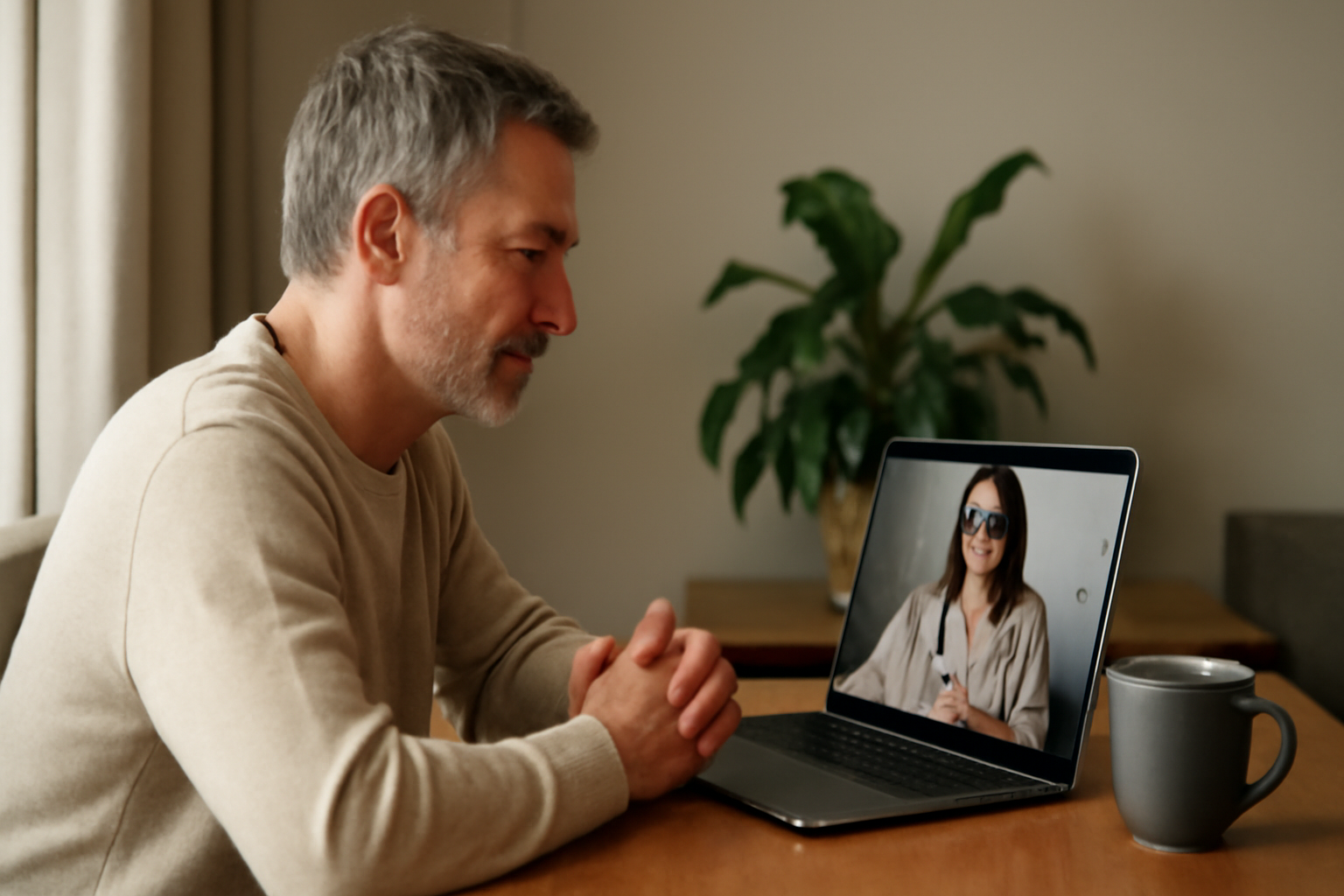
  • Online Therapy for Stress: Does It Really Work?

    Online Therapy for Stress: Does It Really Work?

    Online Therapy for Stress Management: Does It Really Work?

    Chronic stress affects millions of Americans — and a growing body of clinical evidence shows that online therapy may be one of the most accessible, effective tools to manage it.

    Introduction

    Mark, 44, had been waking up at 3 a.m. every night for six months. His jaw ached from grinding his teeth. His blood pressure was creeping up, and his doctor had already flagged it twice. He knew he was stressed — but between his demanding job, two kids, and aging parents, finding time to sit in a therapist’s waiting room felt impossible.

    He’s not alone. According to the American Psychological Association, more than 75% of adults in the United States report experiencing moderate to high levels of stress at least once a month — and a significant portion say it interferes with their daily functioning. Yet fewer than half of those individuals ever seek professional help.

    That’s where online therapy for stress management is changing the conversation. In this guide, you’ll learn what clinical research says about its effectiveness, who it’s best suited for, how to find a qualified provider, and what to realistically expect from the process.

    What Is Online Therapy for Stress Management?

    Online therapy — also called teletherapy, e-therapy, or virtual counseling — refers to mental health treatment delivered through digital platforms, including video calls, phone sessions, or asynchronous messaging with a licensed mental health professional.

    When applied specifically to stress management, it typically involves evidence-based approaches such as Cognitive Behavioral Therapy (CBT), mindfulness-based stress reduction (MBSR), and acceptance and commitment therapy (ACT). These modalities help you identify the thought patterns, behaviors, and emotional responses driving your stress — and replace them with healthier coping strategies.

    According to the National Institute of Mental Health (NIMH), stress that goes unaddressed can contribute to anxiety disorders, depression, cardiovascular disease, immune suppression, and sleep disorders. In this context, stress management isn’t a luxury — it’s a clinical priority.

    The American Psychological Association estimates that approximately 41 million Americans receive some form of mental health services each year, with telehealth accounting for a growing share of those visits since the mid-2020s.

    Signs and Symptoms of Chronic Stress That Warrant Professional Help

    Everyone experiences occasional stress. But when stress becomes chronic — meaning it persists for weeks or months — it begins to affect your body, mind, and relationships in measurable ways.

    Early warning signs include:

    • Difficulty falling or staying asleep
    • Persistent fatigue, even after rest
    • Increased irritability or emotional reactivity
    • Trouble concentrating or making decisions
    • Frequent headaches or muscle tension
    • Changes in appetite (eating more or less than usual)
    • Feeling overwhelmed by routine tasks

    More advanced or serious signs include:

    • Physical symptoms with no clear medical cause (chest tightness, digestive problems, frequent illness)
    • Withdrawal from social relationships
    • Relying on alcohol, substances, or compulsive behaviors to cope
    • Persistent feelings of hopelessness or dread
    • Panic attacks or racing heartbeat at rest

    A 2023 meta-analysis published in JAMA Internal Medicine found that chronic psychological stress is associated with a 40% increased risk of cardiovascular events in adults aged 40-65 — underscoring why professional intervention matters. If any of the advanced signs above feel familiar, speaking with a licensed therapist sooner rather than later is strongly recommended.

    Causes and Risk Factors for Stress in US Adults

    Stress doesn’t have a single cause. It arises from the interaction between external demands — your environment, relationships, finances, work — and internal factors like your personality, past experiences, and physiological stress response.

    Common external stressors in the US include:

    • Work-related pressure (job insecurity, long hours, workplace conflict)
    • Financial strain (housing costs, medical debt, inflation)
    • Family caregiving responsibilities
    • Major life transitions (divorce, relocation, retirement)
    • Health diagnoses — personal or a loved one’s

    Internal risk factors include:

    • History of anxiety or depression
    • Perfectionism or difficulty delegating
    • Limited social support network
    • Poor sleep hygiene or sedentary lifestyle
    • Trauma history (which can amplify the stress response)

    The CDC reports that work-related stress costs US employers an estimated $300 billion per year in lost productivity, absenteeism, and healthcare costs. Adults aged 35-55 are disproportionately affected — precisely the demographic most likely to be balancing career demands, parenting, and aging parent care simultaneously. This variation from person to person is exactly why personalized therapy can be so much more effective than generic self-help strategies.

    Diagnosis: What to Expect When You Start Online Therapy

    One of the first things people wonder is: "Will a therapist actually diagnose me?" The honest answer is that chronic stress itself is not a standalone clinical diagnosis in the DSM-5 (the diagnostic manual used by mental health professionals). However, a licensed therapist will conduct a thorough intake evaluation to determine whether your stress is occurring alongside a diagnosable condition such as Generalized Anxiety Disorder (GAD), Major Depressive Disorder (MDD), or an Adjustment Disorder — all of which are common in people who present primarily with stress complaints.

    In your first one or two sessions, you can typically expect:

    • A structured intake interview reviewing your symptoms, history, and goals
    • Standardized questionnaires (such as the PSS — Perceived Stress Scale, or the PHQ-9 for depression screening)
    • A collaborative discussion about treatment approach and frequency of sessions
    • Recommendations for whether individual therapy, group sessions, or a combination is most appropriate

    The Mayo Clinic notes that most adults begin to notice meaningful symptom improvement within 8 to 12 weeks of consistent therapy — though this varies significantly based on the individual and severity of symptoms. Being honest with your therapist from the first session is the single most important thing you can do to accelerate progress.

    Treatment Options: How Online Therapy Addresses Stress

    Clinical evidence suggests that several therapeutic modalities are particularly well-suited to stress management when delivered virtually. Research supports that online delivery can be just as effective as in-person care for many individuals — provided the platform is secure and the provider is licensed.

    Cognitive Behavioral Therapy (CBT) is the most extensively studied approach for stress and anxiety. It works by helping you identify automatic negative thought patterns — what clinicians call "cognitive distortions" — and replace them with more balanced, accurate thinking. A landmark 2022 systematic review in Psychological Medicine confirmed that internet-delivered CBT produced clinically significant reductions in perceived stress and anxiety symptoms across multiple adult populations.

    Mindfulness-Based Stress Reduction (MBSR), originally developed at the University of Massachusetts Medical School, is increasingly offered in online formats. Research from Johns Hopkins University indicates that MBSR can reduce anxiety, depression, and pain — making it particularly relevant for adults whose stress has a somatic (body-based) component.

    Acceptance and Commitment Therapy (ACT) is gaining traction as an online option, particularly for adults dealing with work-related burnout or chronic health conditions. ACT focuses on psychological flexibility — helping you live according to your values even when stress is present, rather than struggling to eliminate it entirely.

    In addition to these core therapies, most licensed online therapists will incorporate:

    • Behavioral activation strategies (re-engaging with activities that bring meaning)
    • Sleep hygiene coaching
    • Guided relaxation techniques (progressive muscle relaxation, diaphragmatic breathing)
    • Boundary-setting and communication skills training

    Lifestyle modifications — including regular aerobic exercise, improved nutrition, and reduced caffeine and alcohol — are consistently recommended as complements to therapy, not replacements for it. The NIH notes that adults who combine therapy with lifestyle changes report better long-term outcomes than those who pursue either approach alone.

    If you’re also dealing with anxiety alongside stress, our guide on Online Therapy for Anxiety: Does It Really Work? provides a detailed breakdown of evidence-based approaches. Similarly, if low mood is part of your picture, Online Therapy for Depression: Does It Really Work? may offer additional insight.

    Living With Chronic Stress: Practical Day-to-Day Management

    Therapy provides the tools — but you’ll use them between sessions too. Clinical evidence consistently shows that adults who practice stress management skills daily, rather than only during crisis moments, experience the greatest long-term benefit.

    Practical strategies supported by clinical research include:

    • The "worry window" technique: Schedule a specific 15-minute block each day to address worries actively. Outside that window, consciously redirect your attention. CBT research supports this as an effective way to reduce rumination.
    • Physical movement: The CDC recommends at least 150 minutes of moderate-intensity aerobic activity per week for adults. Exercise reduces cortisol (the primary stress hormone) and boosts endorphins — the evidence here is robust.
    • Sleep consistency: Going to bed and waking at the same time daily — even on weekends — supports the circadian rhythm disrupted by chronic stress. The American Academy of Sleep Medicine recommends 7-9 hours for adults.
    • Social connection: Harvard’s long-running Study of Adult Development found that close social relationships are one of the strongest predictors of health and wellbeing. Even brief, meaningful interactions lower stress hormones measurably.
    • Screen and news boundaries: Research suggests adults who limit passive news consumption to 30 minutes or less per day report significantly lower anxiety and perceived stress levels.

    Your online therapist can help you build a personalized daily plan based on your specific stressors, schedule, and goals. The key is consistency — not perfection.

    When to Call Your Doctor or Seek Emergency Help

    While online therapy is a powerful tool, it’s important to recognize situations where immediate medical or emergency intervention is necessary.

    Call your doctor promptly if:

    • You’re experiencing chest pain, heart palpitations, or shortness of breath (these can be cardiac symptoms requiring immediate evaluation)
    • Your stress is accompanied by new or worsening physical symptoms that haven’t been medically evaluated
    • You’re relying on alcohol or other substances to manage stress daily
    • You notice depressive symptoms lasting more than two weeks (see Depression Symptoms: Signs You Should Never Ignore)

    Seek emergency help immediately (call 911 or go to your nearest ER) if:

    • You are having thoughts of self-harm or suicide
    • You experience a panic attack with chest pain or loss of consciousness
    • You feel unable to care for yourself or others in your care

    The 988 Suicide and Crisis Lifeline (call or text 988) is available 24/7 for mental health crises in the United States. Online therapy is not a substitute for emergency mental health care.

    What to discuss at your next medical appointment:

    • Mention your stress levels explicitly — they affect blood pressure, blood sugar, immune function, and more
    • Ask whether your current symptoms may have a stress-related component
    • Request a referral to a licensed mental health professional if you haven’t already started therapy

    Frequently Asked Questions About Online Therapy for Stress

    Is online therapy as effective as in-person therapy for stress management?
    Clinical evidence increasingly suggests yes — for many adults and many conditions, including stress and anxiety. A 2021 review published in World Psychiatry found that internet-delivered psychological treatments produced outcomes comparable to face-to-face therapy for common mental health concerns. However, individual preference, severity of symptoms, and the quality of the therapeutic relationship all influence outcomes. This varies from person to person.

    How long does it take to see results from online therapy for stress?
    Most research suggests that meaningful improvement in perceived stress levels can occur within 6 to 12 weeks of consistent therapy — typically one session per week. Some individuals notice changes in sleep quality and irritability within the first 3 to 4 sessions. Long-term maintenance of those gains is associated with continuing to practice skills after formal therapy ends.

    Does health insurance cover online therapy for stress?
    Many private insurance plans and Medicare cover telehealth mental health services, though coverage varies significantly by plan and provider. The Mental Health Parity and Addiction Equity Act requires most insurers to cover mental health services comparably to physical health services. Always verify coverage with your insurer before your first appointment. For more detail, visit our guide on Mental Health Coverage: What Your Health Insurance Really Pays For.

    What’s the difference between online therapy and stress management apps?
    Apps (such as meditation or breathing tools) can complement therapy but are not substitutes for it. Licensed therapists provide clinical assessment, personalized treatment planning, and a therapeutic relationship — none of which an app can replicate. Research suggests apps alone produce modest, short-term benefits, while therapy produces deeper, more durable change.

    Can online therapy help with stress caused by a medical condition or chronic illness?
    Yes. Research from the Cleveland Clinic and NIH indicates that psychological stress and chronic physical illness are deeply interconnected. Therapists who specialize in health psychology or chronic disease adjustment can be particularly helpful for adults managing conditions like diabetes, heart disease, or autoimmune disorders alongside stress.

    Conclusion

    Chronic stress is not simply a modern inconvenience — it’s a genuine health risk with measurable effects on your heart, brain, immune system, and longevity. The good news is that effective, accessible help is available, and you don’t need to clear your schedule or commute across town to access it.

    Online therapy for stress management is backed by a growing and credible body of clinical research. When delivered by a licensed mental health professional using evidence-based approaches like CBT or MBSR, it can meaningfully reduce perceived stress, improve sleep, and build lasting coping skills — even for adults with demanding, complicated lives.

    Start by speaking with your primary care physician about your stress levels and asking for a referral. You deserve support that’s both effective and realistic for your life.


    Medical Disclaimer: This article is for informational and educational purposes only. It does not constitute medical advice, diagnosis, or treatment. Always consult your physician or a qualified healthcare provider before making changes to your health routine or treatment plan.

    Medically reviewed by our editorial health team. Content follows evidence-based standards aligned with CDC and NIH guidelines.

  • Online Therapy for Depression: Does It Really Work?

    Online Therapy for Depression: Does It Really Work?

    Online Therapy for Depression: Does It Really Work?

    Clinical evidence is reshaping how millions of Americans access mental health care — and depression treatment is leading the way.

    When Marcus, 47, first noticed that getting out of bed felt like climbing a mountain, he told himself it would pass. Weeks became months. He skipped social events, stopped exercising, and found himself staring at the ceiling at 2 a.m. more nights than not. He knew he needed help — but between a demanding job schedule, two kids, and the stigma he still carried from his upbringing, walking into a therapist's office felt impossible. Then his primary care physician mentioned online therapy.

    If Marcus's story sounds familiar, you're not alone. According to the National Institute of Mental Health (NIMH), major depressive disorder affects approximately 21 million American adults each year — making it one of the most common mental health conditions in the country. Yet fewer than half of those individuals receive any form of treatment.

    Online therapy — also called teletherapy or digital mental health care — has emerged as a powerful, accessible solution. In this guide, you'll learn how online therapy for depression works, what the clinical research says about its effectiveness, how it compares to in-person care, and how to find the right fit for your needs.


    What Is Online Therapy for Depression?

    Online therapy is the delivery of licensed, evidence-based mental health treatment through digital platforms — typically via video calls, phone sessions, live chat, or asynchronous messaging. For people managing depression, this means working with a licensed therapist, psychologist, or counselor without traveling to a physical office.

    Depression — clinically known as major depressive disorder (MDD) — is more than feeling sad. It's a medical condition characterized by persistent low mood, loss of interest in activities, fatigue, cognitive difficulties, and in some cases, thoughts of self-harm. It has real neurological and biochemical underpinnings, and it responds to structured treatment.

    Online therapy platforms connect patients with licensed professionals who deliver the same evidence-based therapeutic approaches used in traditional clinical settings, including:

    • Cognitive Behavioral Therapy (CBT) — identifying and restructuring negative thought patterns
    • Behavioral Activation Therapy — gradually re-engaging with meaningful activities
    • Interpersonal Therapy (IPT) — addressing relationship dynamics that fuel depression
    • Mindfulness-Based Cognitive Therapy (MBCT) — reducing relapse risk through mindfulness practices

    According to the American Psychological Association (APA), telehealth delivery of these therapies has been recognized as a legitimate and effective modality for treating mild to moderate depression in adults across age groups.


    Signs and Symptoms of Depression That Online Therapy Can Address

    Recognizing depression — in yourself or a loved one — is the critical first step toward seeking treatment. Depression doesn't always look like crying or obvious sadness. In fact, many people with depression appear functional on the outside while struggling significantly on the inside.

    Early warning signs:

    • Persistent feelings of sadness, emptiness, or hopelessness
    • Reduced interest or pleasure in hobbies you once enjoyed
    • Changes in appetite — eating significantly more or less than usual
    • Sleep disturbances — insomnia or sleeping too much
    • Difficulty concentrating, remembering, or making decisions
    • Unexplained fatigue or low energy most days
    • Irritability or restlessness, especially in men

    More advanced or severe symptoms:

    • Withdrawing completely from family, friends, and social life
    • Persistent physical symptoms like headaches or digestive issues with no clear medical cause
    • Feelings of worthlessness or excessive guilt
    • Thoughts of death, dying, or suicide

    A 2022 meta-analysis published in the journal JAMA Psychiatry found that internet-delivered cognitive behavioral therapy (iCBT) produced clinically significant reductions in depressive symptoms, particularly for individuals with mild to moderate depression. This is an important finding: research suggests that online therapy is most effective when treatment begins before symptoms reach their most severe stage.

    This varies from person to person — some individuals with severe depression benefit greatly from a combined approach of online therapy plus medication management coordinated with a psychiatrist or primary care physician.


    Causes and Risk Factors: Why Depression Develops

    Depression doesn't have a single cause. Clinical evidence indicates it results from a complex interaction of genetic, biological, psychological, and social factors — and understanding your personal risk profile can help you and your therapist develop a more targeted treatment plan.

    Biological and genetic factors:

    • Family history of depression or other mood disorders
    • Imbalances in neurotransmitters such as serotonin, dopamine, and norepinephrine
    • Hormonal changes — particularly relevant during perimenopause, postpartum periods, and thyroid dysfunction
    • Chronic illness (diabetes, heart disease, chronic pain) dramatically increases depression risk

    Lifestyle and environmental factors:

    • Prolonged stress at work or in relationships
    • Social isolation or loneliness
    • Substance use, including alcohol dependency
    • Trauma or adverse childhood experiences (ACEs)
    • Financial instability — a factor that has become increasingly prevalent since the economic disruptions of the early 2020s

    The CDC reports that adults who have two or more chronic health conditions are significantly more likely to experience depression than those without chronic illness — reinforcing why integrated care that addresses both physical and mental health is so important. If you're managing a chronic condition, you may find helpful context in our guide to Health Insurance for Chronic Conditions: What You Must Know.

    According to NIH data, women are nearly twice as likely as men to be diagnosed with depression during their lifetime. However, men are significantly less likely to seek treatment — making accessible options like online therapy particularly important for male patients who may avoid traditional clinical settings.


    Diagnosis: What to Expect Before Starting Online Therapy

    Online therapy does not replace a medical diagnosis. Before beginning any mental health treatment, it's important to have a proper evaluation — and many reputable online therapy platforms incorporate this into their intake process.

    Here's what a standard diagnostic process looks like:

    • Clinical interview — A licensed clinician or intake coordinator will ask about your symptoms, duration, severity, and how they affect your daily functioning
    • Standardized screening tools — Many platforms use validated instruments like the PHQ-9 (Patient Health Questionnaire) to quantify depression severity
    • Medical history review — Ruling out underlying physical causes such as hypothyroidism, vitamin deficiencies, or medication side effects
    • Matching with an appropriate provider — A therapist whose training, specialties, and therapeutic approach align with your needs

    Most physicians recommend that patients experiencing symptoms for two weeks or longer seek a formal evaluation. If your primary care doctor has already assessed you and recommended therapy, bringing that documentation to your first online session can significantly accelerate the treatment process.

    Clinical evidence indicates that early intervention — beginning therapy when symptoms are mild to moderate — produces better long-term outcomes than waiting until depression becomes severely debilitating.


    Treatment Options: What Online Therapy Offers for Depression

    The landscape of digital mental health care has matured considerably. Today's online therapy platforms offer structured, evidence-based treatment — not simply a chat with a wellness coach.

    Core therapeutic modalities delivered online:

    • Cognitive Behavioral Therapy (CBT) — The most extensively studied treatment for depression. A landmark 2023 analysis published through the NIH confirmed that CBT delivered via telehealth platforms produced outcomes statistically comparable to in-person CBT for mild-to-moderate depression.
    • Behavioral Activation (BA) — Particularly effective for individuals whose depression has led to significant withdrawal and avoidance behaviors
    • Interpersonal Therapy (IPT) — Addresses grief, role transitions, and relationship conflicts that may be driving depressive episodes
    • Structured journaling and homework — Many platforms incorporate between-session exercises that reinforce skill development

    How online therapy complements medication:

    For many adults with moderate-to-severe depression, antidepressant medication prescribed by a physician or psychiatrist is part of the treatment plan. Online therapy is not a substitute for medication when medication is clinically indicated — rather, research suggests that therapy combined with appropriate pharmacological treatment produces significantly better outcomes than either approach alone.

    Some online platforms now offer integrated psychiatric services where a licensed prescriber can evaluate whether medication is appropriate, creating a more seamless care experience. Always discuss medication decisions with a qualified healthcare provider.

    Lifestyle modifications as a complement to therapy:

    • Regular aerobic exercise — clinical evidence from Johns Hopkins indicates that 30 minutes of moderate exercise three to five times per week can meaningfully reduce depressive symptoms
    • Sleep hygiene improvements — disrupted sleep both causes and worsens depression
    • Dietary patterns — emerging research from the Cleveland Clinic supports a Mediterranean-style diet for mental health support, though more long-term trials are needed
    • Social connection — even structured, therapist-guided social goals can support recovery

    If you're also managing anxiety alongside depression — a very common combination — our in-depth resource on Anxiety Disorder: Symptoms, Causes & Treatment may provide valuable additional context.


    Living With Depression: Practical Day-to-Day Management and Prevention

    Recovery from depression is rarely linear. Most physicians describe it as a process — one with real progress, occasional setbacks, and the gradual rebuilding of daily functioning. Online therapy supports this process by giving you consistent, accessible access to professional guidance.

    Practical strategies for managing depression between sessions:

    • Keep a daily mood log to track patterns and identify triggers
    • Set small, achievable daily goals — even completing one task builds momentum
    • Maintain a consistent sleep-wake schedule, even on weekends
    • Limit alcohol consumption, which is a central nervous system depressant that worsens mood
    • Use your therapist's between-session tools — worksheets, apps, journaling prompts
    • Communicate openly with your support network about what you're experiencing

    Prevention of depressive relapse:

    Depression has a high relapse rate — the Mayo Clinic reports that individuals who have had one depressive episode have a 50% chance of experiencing another. Maintenance therapy — continuing to meet with your online therapist even when you're feeling well — is one of the most evidence-supported strategies for reducing that risk.

    Mindfulness-Based Cognitive Therapy (MBCT), in particular, has been shown in multiple NIH-funded trials to reduce the risk of relapse by up to 43% in individuals who have experienced three or more previous depressive episodes.

    Access to care matters enormously in prevention. The fact that online therapy removes barriers like transportation, scheduling constraints, geographic limitations, and office-related stigma makes it especially valuable for long-term mental health maintenance.


    When to Call Your Doctor — and When to Seek Emergency Care

    Online therapy is a powerful tool — but it has boundaries. Knowing when to escalate care could save your life or the life of someone you love.

    Contact your doctor or therapist promptly if you experience:

    • A significant worsening of symptoms despite ongoing therapy
    • New or intensifying thoughts of hopelessness
    • Inability to care for yourself — not eating, not sleeping, not leaving bed for days
    • Symptoms that are significantly interfering with your ability to work or maintain relationships

    Seek emergency care immediately if you experience:

    • Thoughts of suicide or self-harm
    • A specific plan or intent to harm yourself or others
    • A depressive episode so severe that you cannot function or keep yourself safe

    If you or someone you know is in crisis, call or text 988 to reach the Suicide and Crisis Lifeline, available 24 hours a day, 7 days a week. You can also go to your nearest emergency room or call 911.

    Reputable online therapy platforms are equipped to handle disclosures of suicidal ideation and will refer users to emergency resources immediately. However, online therapy is not a crisis intervention service — it is a treatment modality for individuals who are stable enough to engage in structured therapeutic work.


    Frequently Asked Questions About Online Therapy for Depression

    Is online therapy as effective as in-person therapy for depression?

    Research suggests that for mild to moderate depression, online therapy — particularly internet-delivered CBT — produces outcomes comparable to in-person therapy. A 2022 meta-analysis in JAMA Psychiatry confirmed this for the majority of adult patients studied. Results may vary for individuals with severe or treatment-resistant depression, who may benefit from a higher level of in-person care.

    Will my health insurance cover online therapy?

    Coverage has expanded significantly in recent years. Under the Mental Health Parity and Addiction Equity Act, most insurance plans that cover in-person mental health services are required to cover telehealth equivalents at the same rate. Many Medicare and Medicaid plans now include teletherapy coverage. Always verify your specific plan's benefits before beginning services. Our article on Health Insurance for Chronic Conditions provides additional guidance on navigating coverage questions.

    How quickly does online therapy work for depression?

    This varies from person to person. Many people begin to notice improvements in their mood, thinking patterns, and daily functioning within four to eight weeks of consistent weekly sessions. Full therapeutic benefit — especially for longer-standing depression — may take three to six months or longer. Clinical evidence indicates that consistency and between-session practice are key predictors of outcomes.

    What if I need medication — can online therapy help with that?

    Online therapy platforms staffed by therapists (not psychiatrists or physicians) cannot prescribe medication. However, many integrated online mental health services now pair therapy with licensed prescribers who can evaluate and manage antidepressant therapy. Your primary care physician can also coordinate medication management alongside your online therapy. Medication decisions should always involve a qualified medical professional.

    Is online therapy safe and private?

    Reputable online therapy platforms are required to comply with HIPAA (Health Insurance Portability and Accountability Act) regulations, which protect the privacy and security of your health information. When selecting a platform, look for HIPAA compliance documentation, licensed and credentialed providers, and clear policies on data use. Avoid apps or services that are not transparent about provider credentials or data handling practices.


    Conclusion: Taking the First Step

    Depression is not a character flaw, a weakness, or something you simply need to "push through." It is a medical condition — one that responds to treatment, and one that is becoming more accessible to address thanks to the expansion of online therapy.

    The clinical evidence is clear: for millions of American adults with mild to moderate depression, online therapy delivers real, meaningful results. It meets you where you are — whether that's your living room at 7 a.m. or a quiet moment during your lunch break — and connects you with trained professionals who are equipped to guide your recovery.

    Taking the first step is often the hardest part. But that step — scheduling an intake session, reaching out to your doctor, or even sharing this article with someone who's struggling — is where healing begins. You deserve support, and help is more reachable than ever before.


    Medical Disclaimer: This article is for informational and educational purposes only. It does not constitute medical advice, diagnosis, or treatment. Always consult your physician or a qualified healthcare provider before making changes to your health routine or treatment plan.

    Medically reviewed by our editorial health team. Content follows evidence-based standards aligned with CDC and NIH guidelines.