Diabetes Meal Planning: Build a Plate That Controls Blood Sugar
What you eat at every meal is one of the most powerful tools you have for managing blood sugar — and a smart plan makes it sustainable.
Why What You Eat Matters More Than You Think
Marcus, 54, was diagnosed with type 2 diabetes three years ago. His doctor handed him a pamphlet about “eating healthy” and sent him on his way. Within six months, his A1C was still climbing — not because he wasn’t trying, but because “eat healthy” without a real structure is almost impossible to follow consistently.
Sound familiar? You’re not alone. According to the CDC, more than 38 million Americans are living with diabetes as of the most recent national data, and a significant portion of them struggle with daily blood sugar management — often because no one gave them a clear, practical meal framework.
Diabetes meal planning isn’t about eating less or giving up everything you love. It’s about building eating patterns that keep your glucose levels steady, support your energy, and reduce long-term complications. In this guide, you’ll learn how to structure your meals, which foods work for you and which work against you, and how to create a realistic plan that fits your actual life — not just a clinical chart.
What Is Diabetes Meal Planning?
Diabetes meal planning is a structured approach to choosing foods, portion sizes, and meal timing in a way that helps control blood glucose (sugar) levels throughout the day. Unlike a one-size-fits-all diet, it’s tailored to your body, your medications, your activity level, and your personal food preferences.
The goal is not perfection — it’s consistency. When your meals are predictable in terms of carbohydrate content, timing, and nutritional balance, your pancreas (or your medication) has a much easier job keeping blood sugar in a healthy range.
According to the American Diabetes Association (ADA), there is no single “diabetic diet” proven to work best for everyone. Instead, several evidence-based eating patterns — including the Mediterranean diet, low-carbohydrate diets, and the DASH diet — have all shown meaningful benefits for people with type 2 diabetes when followed consistently.
That said, the foundation of any effective diabetes meal plan comes down to the same core principles: managing carbohydrate intake, prioritizing fiber, choosing quality protein, and limiting processed foods and added sugars.
How Blood Sugar Responds to What You Eat
Before building your plate, it helps to understand the basics of how food affects your blood glucose. When you eat carbohydrates — bread, rice, fruit, milk, anything starchy or sweet — your digestive system breaks them down into glucose. That glucose enters your bloodstream, causing blood sugar to rise.
In people without diabetes, the pancreas releases insulin to move that glucose into cells for energy. In type 2 diabetes, either the pancreas doesn’t produce enough insulin, or the body’s cells don’t respond to it effectively — a condition called insulin resistance. The result: glucose stays elevated in the bloodstream longer than it should.
A 2023 meta-analysis published through NIH-affiliated researchers confirmed that the type and amount of carbohydrates consumed is one of the strongest dietary predictors of postprandial (after-meal) blood sugar spikes in people with type 2 diabetes. This is why carbohydrate awareness — not necessarily elimination — is central to diabetes meal planning.
Not all carbohydrates behave the same way. High-fiber, complex carbohydrates (like vegetables, legumes, and whole grains) are digested more slowly, producing a gentler, more gradual rise in blood sugar. Refined carbohydrates (white bread, sugary drinks, pastries) digest rapidly and cause sharp glucose spikes.
For a deeper look at how carbohydrate counting works in practice, see our guide: Carb Counting for Diabetes: A Complete Beginner’s Guide.
The Diabetes Plate Method: Simple and Effective
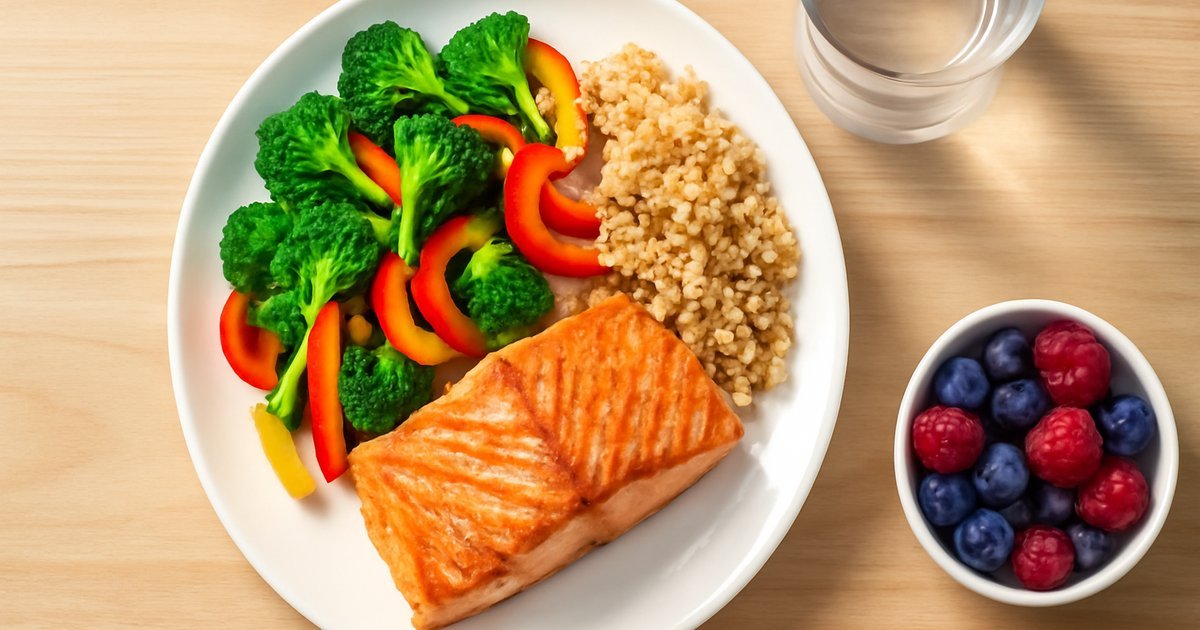
One of the most practical frameworks recommended by the ADA is the Diabetes Plate Method. It requires no apps, no food scale, and no math — just a standard 9-inch dinner plate and an understanding of food categories.
Here’s how to build it:
- Half your plate: non-starchy vegetables — broccoli, spinach, kale, cauliflower, green beans, peppers, cucumbers, tomatoes, zucchini. These are high in fiber and low in carbohydrates, making them the safest foods for blood sugar control.
- One quarter: lean protein — grilled chicken, fish (especially fatty fish like salmon or sardines), eggs, tofu, legumes, or low-fat dairy. Protein doesn’t raise blood sugar and helps you feel full longer.
- One quarter: quality carbohydrates — brown rice, quinoa, whole grain bread, sweet potato, corn, or fruit. This is where your blood sugar management lives. Keeping this portion to one-quarter of your plate naturally limits your carbohydrate load per meal.
- Healthy fats on the side — a small amount of olive oil, avocado, or nuts can support satiety and heart health without raising glucose.
- Beverage — water, unsweetened sparkling water, or herbal tea. Avoid juice, soda, and sweetened coffee drinks.
Clinical evidence from Johns Hopkins Medicine supports that visual portion-control tools like the plate method lead to meaningful reductions in post-meal glucose levels in type 2 diabetic patients, particularly when practiced consistently over several months.
Best and Worst Foods for Blood Sugar Control
Understanding which foods support your glucose management — and which ones sabotage it — is one of the most empowering steps you can take.
Foods to Prioritize
- Non-starchy vegetables: leafy greens, broccoli, asparagus, cauliflower, mushrooms, bell peppers
- Legumes: lentils, black beans, chickpeas — high in protein and fiber, with a lower glycemic impact than most grains
- Whole grains: oats, quinoa, farro, barley — slower to digest than refined grains
- Fatty fish: salmon, mackerel, sardines — rich in omega-3 fatty acids, which research suggests may reduce cardiovascular risk in people with diabetes
- Berries: blueberries, strawberries, raspberries — lower in sugar than other fruits, high in antioxidants
- Nuts and seeds: almonds, walnuts, chia seeds, flaxseed — help slow digestion and improve satiety
- Olive oil: associated with better insulin sensitivity in Mediterranean diet studies
Foods to Limit or Avoid
- Sugary beverages: soda, fruit juice, sweetened coffee drinks, energy drinks — cause rapid blood sugar spikes with no nutritional benefit
- Refined grains: white bread, white rice, regular pasta — digest quickly and cause glucose surges
- Fried foods: high in unhealthy fats and calories, may worsen insulin resistance over time
- Highly processed snacks: chips, crackers, cookies — often combine refined carbs with unhealthy fats
- Added sugars: candy, pastries, sweetened cereals — the ADA recommends minimizing these entirely
- Alcohol: can cause unpredictable blood sugar swings, particularly if you take insulin or certain oral medications. Always consult your doctor before including alcohol in your routine.
This varies from person to person — your specific medication regimen, kidney function, and other health factors may influence which foods are most or least appropriate for you. A registered dietitian who specializes in diabetes can personalize this list for your situation.
Meal Timing and Frequency: Does It Matter?
Yes — and more than most people realize. Erratic eating patterns, skipping meals, or going long stretches without food can cause blood sugar to drop too low (hypoglycemia) or rebound too high. For most people with type 2 diabetes, eating at consistent times each day helps the body (and any glucose-lowering medications) work more predictably.
Most clinical guidelines suggest three balanced meals per day, spaced approximately 4 to 6 hours apart. Some people manage well with two smaller snacks between meals to prevent blood sugar dips, while others do better with strict three-meal structures. This is highly individual — what works for one person may not work for another.
The NIH’s National Institute of Diabetes and Digestive and Kidney Diseases (NIDDK) notes that consistent meal timing is particularly important for people using insulin or sulfonylurea medications, as these drugs lower blood sugar on a schedule — and your food intake needs to align accordingly.
Poor sleep can also disrupt your mealtime hunger cues and insulin sensitivity. If that’s a factor for you, our article on Diabetes and Sleep: How Poor Sleep Raises Blood Sugar is worth reading alongside this guide.
Reading Food Labels: What to Look For
One of the most practical skills in diabetes meal planning is learning to read nutrition labels accurately. Here’s what to pay attention to:
- Total carbohydrates: This is the number that matters most for blood sugar. It includes starches, fiber, and sugars.
- Dietary fiber: Subtract fiber grams from total carbohydrates to get “net carbs” — a better approximation of how much will actually raise your blood sugar.
- Added sugars: The FDA now requires this to be listed separately. Aim to keep added sugars as low as possible.
- Serving size: Everything on the label is per serving — not per package. A bag that seems like one serving often contains two or three.
- Ingredients list: The closer to the top an ingredient appears, the more of it the product contains. Avoid products that list sugar (or its many aliases: corn syrup, maltose, dextrose, fructose) in the first few ingredients.
Practical Meal Planning Tips You Can Start This Week
- Batch cook on weekends: Prepare grains, roasted vegetables, and proteins in advance so healthy meals are accessible on busy weekdays.
- Keep non-starchy vegetables prepped and ready: Washed, chopped vegetables in the fridge remove the friction of making healthy choices at mealtime.
- Plan before you shop: Writing out your weekly meals before grocery shopping reduces impulse buys and ensures you have what you need.
- Use a glucose monitor as feedback: If you test your blood sugar before and two hours after meals, you can identify which specific foods cause larger spikes in your body — this is personalized data no general guide can replicate.
- Don’t eat carbohydrates alone: Pairing carbs with protein or healthy fat slows digestion and blunts glucose spikes. An apple alone raises blood sugar faster than an apple with a small handful of almonds.
- Eat slowly and mindfully: Research from Harvard Health suggests that eating more slowly is associated with better portion control and lower post-meal glucose levels.
When to Call Your Doctor or See a Specialist
Diabetes meal planning can produce real results, but it works best as part of a comprehensive care plan — not as a replacement for it. Contact your healthcare provider if:
- Your blood sugar readings remain consistently above or below your target range despite dietary changes
- You experience frequent hypoglycemia (blood sugar drops below 70 mg/dL), especially with symptoms like shakiness, confusion, sweating, or dizziness
- You have signs of high blood sugar (hyperglycemia) — extreme thirst, frequent urination, blurred vision, or fatigue — that don’t resolve
- You are pregnant or planning to become pregnant (gestational diabetes has its own specific nutritional requirements)
- You have kidney disease, cardiovascular disease, or other conditions that require additional dietary modifications
Emergency red flags: If you experience confusion, loss of consciousness, extreme weakness, or vomiting alongside abnormal blood sugar readings, call 911 or go to the emergency room immediately. These can be signs of diabetic ketoacidosis (DKA) or severe hypoglycemia — both medical emergencies.
Ask your doctor for a referral to a Registered Dietitian Nutritionist (RDN) who specializes in diabetes, or a Certified Diabetes Care and Education Specialist (CDCES). Medicare Part B covers Medical Nutrition Therapy (MNT) for people with diabetes — meaning this service may be available to you at no out-of-pocket cost. For more on navigating coverage, see: Health Insurance for Chronic Conditions: What You Need to Know.
Frequently Asked Questions
Can people with diabetes eat fruit?
Yes — but portion size and fruit type matter. Berries, cherries, apples, and citrus fruits tend to have a lower glycemic impact than tropical fruits like mangoes or pineapples. Clinical evidence indicates that whole fruit — not fruit juice — is preferable because fiber slows glucose absorption. Most diabetes nutrition experts suggest limiting fruit servings to about half a cup to one small piece per meal or snack.
Is a low-carb diet safe for diabetes?
Research suggests that low-carbohydrate diets can be effective for improving blood sugar control and reducing A1C levels in people with type 2 diabetes. However, if you take insulin or certain diabetes medications, significantly lowering your carbohydrate intake may require medication adjustments to prevent hypoglycemia. Always consult your physician before making a major dietary change.
Are artificial sweeteners safe for people with diabetes?
The FDA has approved several non-nutritive sweeteners (stevia, sucralose, aspartame, saccharin) as safe for consumption. They don’t directly raise blood sugar. However, some research suggests that frequent use of artificial sweeteners may influence taste preferences and appetite in ways that could affect long-term dietary patterns. Most physicians recommend using them in moderation rather than as an unlimited free pass.
How do I handle eating out with diabetes?
Eating at restaurants is manageable with a few strategies: choose grilled or baked proteins over fried, request sauces and dressings on the side, ask for extra vegetables instead of a starchy side dish, and be cautious with bread baskets and desserts. Many chain restaurants now post nutritional information online, allowing you to review options before you arrive.
Do I need to count calories or just carbohydrates?
For most people with type 2 diabetes, carbohydrate awareness is more directly relevant to blood sugar management than calorie counting. That said, overall calorie balance matters for weight management — and weight loss, even modest amounts, can significantly improve insulin sensitivity. Your healthcare team can help you determine which approach is most appropriate for your specific goals.
The Bottom Line
Managing diabetes through food doesn’t have to feel like deprivation or constant restriction. It’s about building a consistent, balanced approach — one that gives your body the steady fuel it needs while keeping blood sugar in a range that protects your long-term health.
Start with the basics: fill half your plate with vegetables, keep your carbohydrate portions controlled and high-fiber, pair them with protein and healthy fat, and eat at consistent times. From there, use your glucose monitor as a personal feedback tool and work with your care team to fine-tune the details.
Small, sustainable changes practiced daily have a far greater impact on diabetes management than any dramatic short-term effort. You have more control over your blood sugar than you may realize — and building a smart meal plan is one of the most evidence-backed ways to use it.
Medical Disclaimer: This article is for informational and educational purposes only. It does not constitute medical advice, diagnosis, or treatment. Always consult your physician or a qualified healthcare provider before making changes to your health routine or treatment plan.
Medically reviewed by our editorial health team. Content follows evidence-based standards aligned with CDC and NIH guidelines.