What you eat every single day may be the most powerful tool you have for managing type 2 diabetes — and most people never get a clear roadmap.
Mark, 54, was told at his annual checkup that his A1C — a measure of average blood sugar over roughly three months — had climbed to 8.2%. His doctor handed him a pamphlet about eating better and sent him home. He had no idea where to start. Should he cut carbs completely? Was fruit off-limits? Could he ever enjoy a meal without guilt again?
If you’ve been in Mark’s shoes, you’re far from alone. According to the CDC, more than 38 million Americans have diabetes, and the vast majority — about 90 to 95% — have type 2 diabetes. Diet is consistently ranked by the American Diabetes Association as one of the most impactful levers for blood sugar control, yet millions of people managing this condition feel confused, overwhelmed, or let down by generic advice.
This guide cuts through the noise. You’ll learn exactly which foods help stabilize blood sugar, which ones to limit, how to build balanced meals, and what evidence-based nutrition strategies can complement your medical treatment plan — without giving up the joy of eating.
What Is Type 2 Diabetes and Why Does Food Matter So Much?
Type 2 diabetes is a chronic metabolic condition in which your body either doesn’t produce enough insulin or doesn’t use it effectively — a problem known as insulin resistance. Insulin is the hormone your pancreas releases to help cells absorb glucose (sugar) from your bloodstream. When that system breaks down, glucose builds up in the blood, leading to a cascade of long-term health risks including heart disease, kidney damage, nerve problems, and vision loss.
Food matters because every meal directly influences your blood glucose levels. Carbohydrates — found in bread, rice, fruit, dairy, and sweets — break down into glucose during digestion. The speed and volume of that glucose entering your bloodstream determines whether your levels spike dangerously or rise gradually and manageably.
The NIH’s National Institute of Diabetes and Digestive and Kidney Diseases confirms that medical nutrition therapy — a structured approach to eating — can lower A1C levels by 1 to 2 percentage points, which is comparable to the effect of some first-line diabetes medications. That’s not a small number. That’s a meaningful clinical result.
This doesn’t mean food replaces medication. It means that what you eat is a legitimate, evidence-supported part of your treatment plan — one worth taking seriously.
Signs Your Diet May Be Affecting Blood Sugar Control
Not everyone with type 2 diabetes experiences dramatic symptoms every day — but your body often sends signals when blood sugar control is slipping, and diet is frequently a contributing factor.
Early warning signs that blood sugar may be running high (hyperglycemia):
- Feeling unusually thirsty, even after drinking fluids
- Needing to urinate more frequently than normal
- Fatigue that hits after meals
- Blurry vision that comes and goes
- Difficulty concentrating or "brain fog"
- Increased hunger even shortly after eating
Signs that may suggest low blood sugar (hypoglycemia), especially if you’re on medication:
- Shakiness, sweating, or heart palpitations
- Sudden irritability or anxiety
- Dizziness or lightheadedness
- Confusion or trouble thinking clearly
A 2023 clinical review published in Diabetes Care found that dietary patterns — not just individual foods — are strongly associated with glycemic variability (how much blood sugar swings up and down throughout the day). People who ate more refined carbohydrates and ultra-processed foods showed significantly higher variability, which is independently linked to diabetes complications.
Tracking what you eat alongside your blood glucose readings — as outlined in our Blood Sugar Monitoring: A Complete Guide for Type 2 Diabetes — can help you connect the dots between specific meals and your numbers.
The Best Foods for Blood Sugar Control
The goal isn’t to eat perfectly. The goal is to build a pattern of eating that keeps blood sugar more stable, supports a healthy weight, and reduces inflammation — without making every meal a chore.
1. Non-Starchy Vegetables
Spinach, kale, broccoli, cauliflower, zucchini, bell peppers, and cucumbers are among the best foods you can eat with type 2 diabetes. They’re high in fiber, low in digestible carbohydrates, and rich in antioxidants that may reduce systemic inflammation — a key driver of insulin resistance.
Clinical evidence from Harvard’s T.H. Chan School of Public Health indicates that a higher intake of leafy greens is associated with a 14% reduction in type 2 diabetes risk, and supports better glycemic management in people already diagnosed.
2. Legumes and Beans
Black beans, lentils, chickpeas, and kidney beans have a low glycemic index — meaning they raise blood sugar more slowly than many other carbohydrate sources. They’re also rich in protein and soluble fiber, both of which help slow glucose absorption.
A meta-analysis published in JAMA Internal Medicine found that people who replaced one serving per day of high-glycemic foods with legumes experienced statistically significant improvements in A1C levels over a 12-week period.
3. Fatty Fish
Salmon, sardines, mackerel, and trout provide high-quality protein and omega-3 fatty acids, which research suggests may improve insulin sensitivity and reduce cardiovascular risk — a critical concern since adults with type 2 diabetes are two to four times more likely to die from heart disease than those without it, according to the American Heart Association.
4. Whole Grains Over Refined Grains
Oats, quinoa, barley, farro, and brown rice retain their fiber-rich outer layer, which slows digestion and moderates the blood sugar response. In contrast, white bread, white rice, and most processed cereals have been stripped of this fiber, leading to faster glucose spikes.
Research from the NIH suggests that replacing refined grains with whole grains is associated with reduced fasting glucose and lower insulin resistance markers over time.
5. Nuts and Seeds
Almonds, walnuts, chia seeds, and flaxseeds are nutrient-dense foods with minimal impact on blood sugar. They provide healthy fats, magnesium — a mineral linked to improved insulin function — and protein. A small handful as a snack can help blunt post-meal glucose spikes when eaten alongside higher-carb foods.
6. Berries
Strawberries, blueberries, raspberries, and blackberries are among the best fruit choices for people with type 2 diabetes. They’re relatively low in sugar compared to tropical fruits, and their high antioxidant content — particularly anthocyanins — has been shown in multiple studies to improve insulin sensitivity.
7. Eggs
Eggs are a near-zero carbohydrate food that provides satiating protein and important nutrients like choline. Multiple clinical studies have shown that including eggs in breakfast reduces post-meal blood sugar and overall calorie intake later in the day, making them a practical tool for glycemic management.
Foods to Limit or Avoid
Equally important as knowing what to eat is understanding what consistently drives blood sugar out of range. These aren’t absolute bans — life includes celebrations, travel, and imperfect days. But these are the foods that most consistently work against stable blood glucose:
- Sugary beverages: Sodas, sweetened teas, sports drinks, and fruit juices deliver large amounts of rapidly absorbed sugar with no fiber to slow absorption.
- White bread, white rice, and refined pasta: High glycemic index foods that spike blood sugar quickly.
- Ultra-processed snack foods: Chips, crackers, packaged cookies — often combining refined carbs, added sugar, and unhealthy fats.
- Sweetened breakfast cereals: Many popular cereals contain more sugar per serving than a candy bar.
- Full-fat dairy in large amounts: Clinical evidence is mixed, but some research links high saturated fat intake with worsened insulin resistance.
- Alcohol in excess: Can cause unpredictable blood sugar fluctuations — both highs and dangerous lows, especially if you’re on insulin or certain oral medications.
It’s worth noting that your individual response to specific foods can vary significantly. Two people with type 2 diabetes may respond very differently to the same meal. This is why pairing a food strategy with regular blood sugar monitoring gives you the most personalized picture.
Building a Diabetes-Friendly Plate
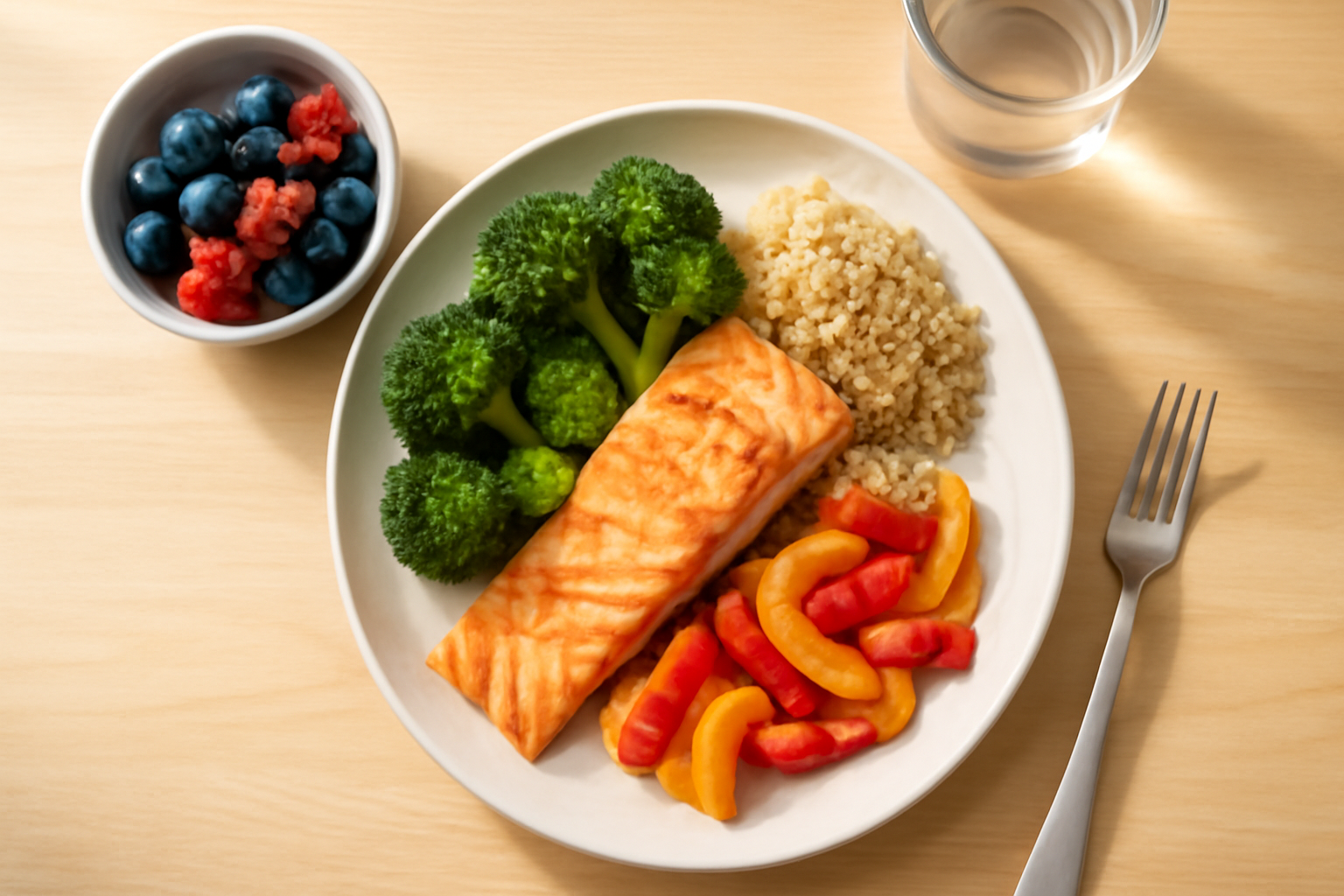
The American Diabetes Association recommends a simple visual tool called the Diabetes Plate Method as a starting point. Here’s how it works:
- Fill half your plate with non-starchy vegetables (leafy greens, broccoli, peppers, cucumber)
- Fill one quarter with lean protein (fish, chicken, eggs, tofu, legumes)
- Fill one quarter with quality carbohydrates (whole grains, starchy vegetables, or legumes)
- Add a small serving of healthy fat (olive oil drizzle, avocado, a few nuts)
- Choose water, unsweetened coffee, or herbal tea as your beverage
This framework doesn’t require calorie counting or food scales. It’s a practical, sustainable structure you can apply at home, at restaurants, or on the go.
If weight is also a factor in your management — and for many people with type 2 diabetes, it is — our article on Metabolic Weight Loss: What’s Really Slowing You Down explores how metabolic factors beyond diet can affect your results.
Evidence-Based Dietary Approaches for Type 2 Diabetes
There’s no single "diabetes diet" endorsed universally — and that’s actually good news, because it means you have options that fit your culture, food preferences, and lifestyle. Several dietary patterns have strong clinical support:
Mediterranean Diet
Consistently ranked among the most evidence-backed eating patterns for type 2 diabetes management. Rich in vegetables, legumes, whole grains, fish, olive oil, and moderate amounts of red wine, it has been shown to lower A1C, improve lipid profiles, and reduce cardiovascular risk. A large NIH-supported clinical trial found Mediterranean-style eating reduced A1C by an average of 0.5 to 1.0 percentage points versus a standard low-fat diet.
Low-Glycemic Index Diet
Focuses specifically on choosing carbohydrates that are digested slowly. Research from the University of Toronto found that low-GI diets reduced A1C by about 0.5% and fasting glucose significantly more than conventional healthy-eating approaches in people with type 2 diabetes.
Low-Carbohydrate Diet
Restricting total carbohydrate intake — particularly refined and high-GI sources — is one of the most effective short-term strategies for lowering post-meal blood sugar. Clinical evidence suggests low-carb diets can meaningfully reduce A1C, fasting glucose, and medication needs in some patients. However, this approach should always be supervised by a physician, as it may require adjustments to diabetes medications to avoid hypoglycemia.
DASH Diet
Originally developed for hypertension, the DASH diet — Dietary Approaches to Stop Hypertension — is also beneficial for people with diabetes due to its emphasis on whole foods, high fiber, and limited sodium and added sugars. Since hypertension and type 2 diabetes frequently co-occur, this approach addresses both conditions simultaneously.
Living With Type 2 Diabetes: Practical Daily Tips
Managing blood sugar through diet is a long game — not a short-term fix. Here are practical, evidence-supported strategies for making healthy eating sustainable:
- Eat at consistent times each day. Regular meal timing helps stabilize blood sugar and makes medication timing more predictable.
- Don’t skip meals. Skipping meals can lead to low blood sugar if you’re on medications, followed by compensatory overeating that spikes glucose.
- Start meals with vegetables or protein. Eating non-starchy vegetables or protein before carbohydrates has been shown to significantly reduce the post-meal blood sugar spike — a concept sometimes called "food sequencing."
- Read nutrition labels. Total carbohydrates — not just sugar — affect blood glucose. Fiber can be subtracted from total carbs to get "net carbs."
- Cook at home more often. Restaurant meals, especially fast food, tend to have hidden sugars, refined carbs, and portion sizes that are difficult to manage.
- Stay hydrated. Dehydration can falsely elevate blood glucose readings and worsen insulin resistance. Water is your best choice.
- Move after meals. Even a 10-minute walk after eating has been shown in clinical studies to lower post-meal blood sugar by improving glucose uptake in muscles.
It’s also worth acknowledging the emotional side of managing a chronic condition. Stress, anxiety, and depression are significantly more common in people with type 2 diabetes than in the general population — and stress hormones like cortisol directly raise blood sugar. If you’re struggling emotionally, that’s a legitimate health concern too. Resources like Online Therapy for Depression: Does It Really Work? may offer a helpful starting point.
When to Call Your Doctor or Seek Emergency Care
Diet changes are powerful — but they must be implemented alongside your medical care, not instead of it. Contact your healthcare provider promptly if you notice:
- Blood sugar readings consistently above 250 mg/dL despite dietary changes
- Symptoms of hypoglycemia that don’t resolve with fast-acting sugar (glucose tablets, juice)
- Unexplained weight loss of more than 5 to 10 pounds over a few weeks
- Increased fatigue, excessive thirst, or urination that’s worsening
- Any foot wounds or sores that aren’t healing normally
- Vision changes that are new or sudden
Seek emergency care immediately if you experience:
- Loss of consciousness or seizure
- Fruity-smelling breath, confusion, and rapid breathing (possible signs of diabetic ketoacidosis, or DKA)
- Severe confusion or disorientation that could indicate hyperosmolar hyperglycemic state (HHS)
- Chest pain, shortness of breath, or symptoms of stroke alongside high blood sugar
If you’re changing your diet significantly — especially moving to a very low-carbohydrate plan — always tell your doctor first. Dietary changes can alter how your body responds to medications, and your provider may need to adjust your treatment plan accordingly.
Frequently Asked Questions About the Type 2 Diabetes Diet
Can people with type 2 diabetes eat fruit?
Yes — but choices and portions matter. Berries, apples, pears, and citrus fruits have a lower glycemic impact than tropical fruits like mangoes, pineapples, and watermelon. Eating fruit alongside protein or fat — like apple slices with almond butter — further moderates the blood sugar response. Whole fruit is always preferred over fruit juice, which lacks fiber and causes faster glucose spikes.
Is the keto diet safe for type 2 diabetes?
A ketogenic diet — very low in carbohydrates, high in fat — can significantly lower blood sugar and A1C in some people with type 2 diabetes. However, it’s not appropriate for everyone, particularly those on insulin or certain medications that can cause hypoglycemia on very low carb intake. Clinical evidence suggests short-term benefits are real, but long-term adherence and safety require close medical supervision. Always discuss this with your doctor before starting.
How many carbs should I eat per day?
There’s no universal number — this varies from person to person based on your medications, activity level, and overall metabolic health. The American Diabetes Association no longer recommends a specific carbohydrate target, instead emphasizing food quality and individualized planning. Work with a registered dietitian specializing in diabetes (a Certified Diabetes Care and Education Specialist, or CDCES) for a personalized target.
Can I reverse type 2 diabetes with diet alone?
Some research — including the landmark DiRECT trial from the UK — shows that significant weight loss through intensive dietary intervention can lead to remission of type 2 diabetes in some individuals, particularly those with shorter disease duration. However, "remission" is not the same as "cure," and regular monitoring must continue. Clinical evidence indicates this is achievable for some people, not all — and it requires sustained commitment and medical oversight.
Are artificial sweeteners safe for blood sugar?
Non-nutritive sweeteners (like stevia, sucralose, and aspartame) do not directly raise blood glucose the way sugar does and are generally considered acceptable in moderation by the FDA and the American Diabetes Association. However, emerging research suggests some artificial sweeteners may influence gut microbiome health and insulin response in complex ways. Most physicians recommend using them as a transitional tool rather than a long-term dietary foundation.
Conclusion
Managing type 2 diabetes through diet isn’t about deprivation — it’s about making informed, consistent choices that work with your biology instead of against it. The foods you eat influence your blood sugar more directly than almost any other lifestyle factor, and the evidence is clear that a well-structured dietary approach can meaningfully lower A1C, reduce cardiovascular risk, and improve your quality of life.
No single diet works perfectly for everyone. What matters most is finding an eating pattern you can sustain — one built around whole, minimally processed foods, adequate fiber, quality protein, and healthy fats. Start with one or two changes, track how your body responds, and build from there.
Most importantly, work with your healthcare team. Your doctor, a registered dietitian, or a Certified Diabetes Care and Education Specialist can help you personalize these principles to fit your health goals, medications, and life. You don’t have to figure this out alone — and with the right support, meaningful improvement is absolutely within reach.
Medical Disclaimer: This article is for informational and educational purposes only. It does not constitute medical advice, diagnosis, or treatment. Always consult your physician or a qualified healthcare provider before making changes to your health routine or treatment plan.
Medically reviewed by our editorial health team. Content follows evidence-based standards aligned with CDC and NIH guidelines.