
Tag: diabetes management

  • A1C Levels Explained: What Every Diabetic Must Know

    A1C Levels Explained: What Every Diabetic Must Know

    A1C Levels Explained: What Every Diabetic Must Know

    Your A1C number is one of the most powerful predictors of long-term diabetes complications — and understanding it could change how you manage your health every single day.

    Introduction

    When Marcus, 54, was first diagnosed with type 2 diabetes, his doctor kept talking about something called A1C. He nodded along, went home, and Googled it — only to find pages of confusing charts and medical jargon that left him more overwhelmed than before.

    Sound familiar? You are not alone. According to the CDC, more than 38 million Americans are living with diabetes, and tens of millions more have prediabetes — yet surveys consistently show that a significant portion of patients don’t fully understand what their A1C test measures, what their target number should be, or what to do when it’s too high.

    This guide is here to change that. By the end of this article, you will understand exactly what A1C levels mean, how the test works, what your results say about your health, and — most importantly — what practical steps you can take with your doctor to bring your numbers into a healthier range. Whether you were recently diagnosed or have been managing diabetes for years, this is the guide you’ve been looking for.

    What Is the A1C Test?

    The A1C test — also called the hemoglobin A1C, HbA1c, or glycated hemoglobin test — measures your average blood sugar levels over the past two to three months. Unlike a daily fingerstick reading that captures just one moment in time, the A1C gives your doctor a broader snapshot of how well your blood sugar has been controlled over a longer period.

    Here’s how it works in plain terms: sugar (glucose) in your bloodstream naturally attaches to hemoglobin, the protein inside red blood cells that carries oxygen. Because red blood cells live for about 90 days, the A1C test measures what percentage of your hemoglobin has glucose attached to it. The higher your blood sugar has been, the higher the percentage — and the higher your A1C result.

    According to the American Diabetes Association (ADA), the A1C test is one of the primary tools used to diagnose both prediabetes and type 2 diabetes, and it remains the gold standard for monitoring long-term blood sugar management in people already living with the condition.

    For context, a normal A1C for someone without diabetes is typically below 5.7%. An A1C between 5.7% and 6.4% suggests prediabetes, and an A1C of 6.5% or higher on two separate tests is generally used to confirm a diabetes diagnosis, per ADA guidelines.

    Understanding Your A1C Results: What the Numbers Mean

    Seeing a number on your lab report is one thing. Understanding what it actually means for your body is another. Here’s a practical breakdown:

    • Below 5.7% — Normal range. Blood sugar is well-regulated, and diabetes risk is low.
    • 5.7% to 6.4% — Prediabetes. Blood sugar is elevated but not yet at diabetic levels. This is a critical window for lifestyle intervention.
    • 6.5% or higher — Diabetes. Consistent readings at this level confirm a diabetes diagnosis and indicate a need for active management.
    • 7.0% or lower (with diabetes) — This is the general target set by the ADA for most non-pregnant adults with diabetes, as it significantly reduces the risk of complications.
    • Above 9.0% — Signals poor blood sugar control and a substantially elevated risk of serious complications, including kidney damage, nerve damage, and vision problems.

    It’s important to note that A1C targets are not one-size-fits-all. Research suggests that older adults, people with a history of severe hypoglycemia (low blood sugar), or those with other significant health conditions may have individualized targets set higher — for example, below 8.0% — to avoid the risks of blood sugar dropping too low. Always work with your physician to determine what goal is right for you specifically.

    A landmark NIH-supported study, the DCCT (Diabetes Control and Complications Trial), established that lowering A1C levels significantly reduces the risk of diabetic eye disease, kidney disease, and nerve damage. This research became the scientific foundation for why A1C management is central to diabetes care.

    Signs That Your A1C May Be Too High

    A high A1C doesn’t always come with obvious symptoms — which is one reason the condition can quietly cause damage before people realize something is wrong. That said, certain signs can suggest that your blood sugar has been running too high for too long.

    Early or moderate warning signs may include:

    • Increased thirst and frequent urination
    • Unexplained fatigue and low energy
    • Blurred vision that comes and goes
    • Cuts or sores that are slow to heal
    • Recurring infections (especially skin, bladder, or gum infections)
    • Tingling or numbness in the feet or hands (early neuropathy)
    • Increased hunger even after eating

    More advanced signs associated with chronically high A1C:

    • Significant unintended weight loss
    • Persistent foot pain or wounds that won’t heal
    • Decreased kidney function (swelling in legs, changes in urine output)
    • Vision changes that don’t resolve
    • Chest discomfort or shortness of breath (may indicate cardiovascular complications)

    Clinical evidence from the CDC indicates that adults with poorly controlled blood sugar have two to four times the risk of dying from heart disease compared to those without diabetes. This is why monitoring and managing A1C is not just a numbers game — it’s a life-or-death health priority.

    What Causes A1C Levels to Rise?

    Understanding why your A1C climbs helps you take more targeted action. Multiple factors contribute, and they interact in complex ways that vary from person to person.

    Dietary patterns: Consistently eating foods that spike blood sugar — refined carbohydrates, sugary beverages, ultra-processed snacks — keeps glucose levels elevated over time. If you are curious about which foods are most impactful, our article on the Type 2 Diabetes Diet: Best Foods to Control Blood Sugar offers a research-backed deep dive.

    Physical inactivity: Muscle cells use glucose for energy during movement. When you’re sedentary, your body becomes less efficient at removing glucose from the bloodstream, contributing to higher averages.

    Medication adherence: Skipping or inconsistently taking diabetes medications — whether oral drugs or insulin — is a leading cause of rising A1C in people already diagnosed. Never stop or adjust your medications without talking to your doctor first.

    Stress (both physical and emotional): Stress hormones like cortisol and adrenaline directly raise blood sugar. Chronic stress, anxiety, or illness can push A1C higher even when your diet and medications haven’t changed. Research from Harvard Health suggests that psychological stress is a significantly underestimated driver of glucose dysregulation.

    Sleep disruption: Poor sleep — including conditions like sleep apnea — impairs insulin sensitivity and glucose metabolism. A NIH-backed study found that just a few nights of reduced sleep significantly worsened blood sugar control in people with type 2 diabetes.

    Other medical conditions: Thyroid disorders, anemia, and kidney disease can all affect A1C readings. This is why your doctor considers your full health picture, not just one number.

    Carrying excess weight — particularly visceral (belly) fat — is one of the strongest modifiable risk factors for insulin resistance. If this is a concern for you, our guide on How to Lose Belly Fat: A Science-Based Guide offers practical, evidence-based strategies that complement your diabetes management plan.

    How to Lower Your A1C: Treatment Options That Work

    The good news is that A1C levels respond to consistent, sustained effort. A reduction of even half a percentage point can meaningfully lower your risk of complications. Here is what the clinical evidence supports:

    Medications prescribed by your doctor: A wide range of evidence-based medications are available to lower blood sugar and A1C, including metformin (typically the first-line oral medication), SGLT2 inhibitors, GLP-1 receptor agonists, DPP-4 inhibitors, and insulin therapy. Your physician will tailor the medication plan to your specific health profile. Never self-adjust dosages.

    Dietary changes: Clinical evidence consistently shows that reducing refined carbohydrates, increasing fiber intake, and choosing lower-glycemic foods significantly lowers A1C over time. The ADA supports a variety of eating patterns — Mediterranean, low-carbohydrate, and DASH diets — depending on individual preference and metabolic response.

    Regular physical activity: The ADA recommends at least 150 minutes of moderate-intensity aerobic activity per week, spread across most days. Resistance training two to three days per week is also strongly supported. Exercise acts like insulin — it helps muscles pull glucose out of the bloodstream. Research published in Diabetes Care found that structured exercise programs reduced A1C by an average of 0.66% compared to control groups.

    Weight management: Losing as little as 5-10% of body weight can produce meaningful improvements in A1C for overweight adults. For those eligible, metabolic surgery (bariatric surgery) has been shown to achieve dramatic and sustained A1C reductions. Our article on Metabolic Weight Loss: What’s Really Slowing You Down explores how metabolism affects your ability to lose weight and manage blood sugar.

    Continuous glucose monitoring (CGM): Wearable devices that track glucose in real time help patients and doctors identify patterns — when blood sugar spikes, how long it stays elevated, and what triggers the rise. Research suggests that CGM use is associated with significant A1C reductions, particularly in people using insulin.

    Sleep and stress management: Prioritizing seven to nine hours of quality sleep and using evidence-based stress reduction strategies — such as mindfulness, cognitive behavioral techniques, or structured relaxation — can meaningfully support blood sugar control as part of a comprehensive plan.

    Living With Diabetes: Day-to-Day A1C Management

    Managing A1C isn’t just about what happens in the doctor’s office. It’s about building sustainable habits that work in real life — not perfection, but consistency.

    Most physicians recommend an A1C test every three months for people whose blood sugar is not well controlled, and every six months for those who are meeting their targets. Keep a log of your readings over time so you and your doctor can identify trends rather than reacting to a single result.

    Meal timing matters as much as meal content. Eating at consistent times, avoiding skipping meals (which can trigger reactive overeating), and moderating portion sizes all support more stable blood glucose throughout the day.

    Build a support system. Research from the Mayo Clinic shows that people with strong social support — family involvement, diabetes education programs, or peer support groups — tend to achieve better long-term A1C outcomes than those managing alone. Diabetes distress — the emotional burden of living with a chronic condition — is real and common. If you are feeling overwhelmed, anxious, or depressed about your health, know that mental health support is a legitimate and important part of diabetes care.

    Work with a registered dietitian, a certified diabetes care and education specialist (CDCES), or a diabetes management program if those resources are available to you. These professionals are specifically trained to help you translate clinical targets into practical, personalized strategies.

    When to Call Your Doctor or Seek Emergency Care

    Some situations require immediate medical attention — don’t wait for your next scheduled appointment if you notice these warning signs.

    Call your doctor soon if you experience:

    • Your A1C comes back significantly higher than your previous result despite no obvious change in habits
    • Frequent episodes of low blood sugar (hypoglycemia) — shakiness, sweating, confusion — especially if they’re happening during sleep or driving
    • New or worsening numbness, tingling, or pain in your feet or hands
    • Vision changes or eye pain
    • Swelling in your legs or feet that is new or worsening
    • Wounds on your feet that are not healing after one to two weeks

    Go to the emergency room or call 911 immediately if you experience:

    • Severe confusion, disorientation, or loss of consciousness
    • Unresponsiveness to sugar intake during a hypoglycemic episode
    • Rapid breathing, fruity-smelling breath, or extreme nausea and vomiting (possible signs of diabetic ketoacidosis — DKA)
    • Chest pain, sudden severe headache, or difficulty speaking (possible stroke or heart attack, which people with diabetes face higher risk of)

    These are not situations to manage at home or wait out. Diabetic emergencies can escalate quickly. When in doubt, call 911 or get to an emergency facility immediately.

    Frequently Asked Questions

    How often should I get my A1C tested?
    The ADA recommends testing every three months if your diabetes is not well controlled or if your treatment plan has recently changed. If your A1C is consistently at or below your target, testing every six months may be appropriate. Your doctor will advise based on your individual situation.

    Can A1C levels be falsely high or low?
    Yes. Certain conditions can affect the accuracy of A1C readings. Anemia, sickle cell disease, kidney failure, and recent blood transfusions can all distort results. If your A1C doesn’t match how you feel or your daily glucose readings, mention this to your doctor — they may order additional tests to get a clearer picture.

    How fast can A1C change?
    Because the test reflects a two- to three-month average, meaningful changes in A1C typically take at least 90 days to appear. However, clinical evidence indicates that significant dietary and medication changes can produce measurable A1C improvements within three months. Be patient and consistent — the number will respond over time.

    Is a lower A1C always better?
    Not necessarily. While high A1C is dangerous, pushing A1C too low can increase the risk of hypoglycemia, which can be life-threatening, especially in older adults. Most physicians recommend individualized targets — the ADA’s general goal of below 7.0% is not appropriate for everyone. Discuss your specific target with your care team.

    Can prediabetes A1C levels go back to normal?
    Research suggests yes, for many people. The NIH’s landmark Diabetes Prevention Program (DPP) study found that lifestyle changes — including losing 5-7% of body weight and engaging in 150 minutes of moderate activity per week — reduced progression from prediabetes to type 2 diabetes by 58%. Some participants saw their A1C return to the normal range entirely. This does not happen for everyone, but early intervention meaningfully improves the odds.

    Conclusion

    Your A1C number is not a judgment — it’s a tool. It tells you and your doctor how your blood sugar management is working over time, and it gives you a clear, measurable way to track your progress. Whether your number is higher than you’d like right now or you’re working to keep it in a healthy range, the most important thing you can do is stay engaged, stay consistent, and stay connected with your healthcare team.

    Small, sustained changes in nutrition, physical activity, sleep, stress management, and medication adherence add up to real reductions in A1C — and real reductions in your long-term risk of complications. You don’t have to do this alone, and you don’t have to be perfect. You just have to keep moving in the right direction.

    Talk to your doctor at your next visit about your A1C target, how often you should be tested, and what adjustments — if any — make sense for your current plan. That conversation is one of the most valuable things you can do for your long-term health.


    Medical Disclaimer: This article is for informational and educational purposes only. It does not constitute medical advice, diagnosis, or treatment. Always consult your physician or a qualified healthcare provider before making changes to your health routine or treatment plan.

    Medically reviewed by our editorial health team. Content follows evidence-based standards aligned with CDC and NIH guidelines.

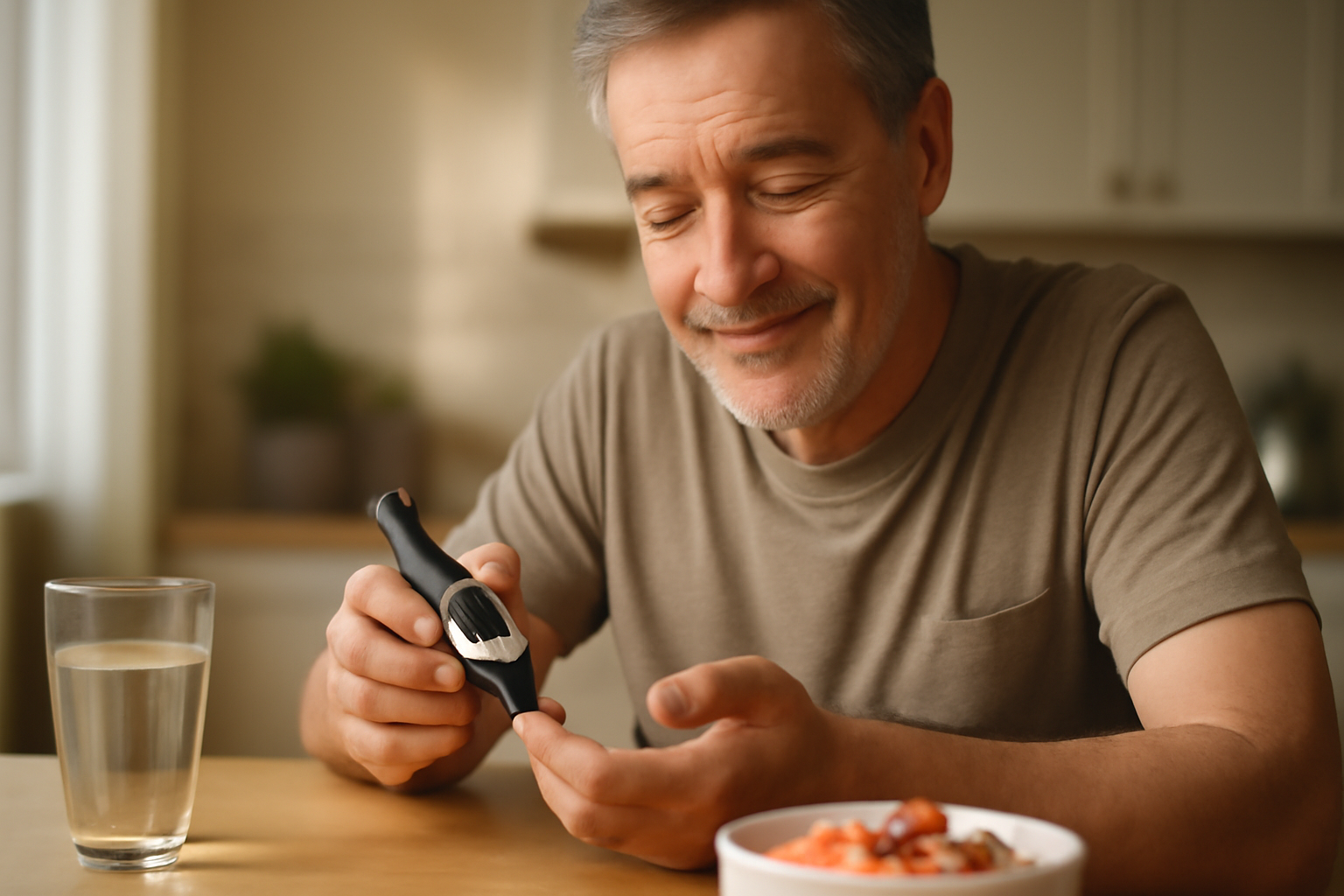
  • Type 2 Diabetes Diet: Best Foods to Control Blood Sugar

    Type 2 Diabetes Diet: Best Foods to Control Blood Sugar

    What you eat every single day may be the most powerful tool you have for managing type 2 diabetes — and most people never get a clear roadmap.

    Mark, 54, was told at his annual checkup that his A1C — a measure of average blood sugar over roughly three months — had climbed to 8.2%. His doctor handed him a pamphlet about eating better and sent him home. He had no idea where to start. Should he cut carbs completely? Was fruit off-limits? Could he ever enjoy a meal without guilt again?

    If you’ve been in Mark’s shoes, you’re far from alone. According to the CDC, more than 38 million Americans have diabetes, and the vast majority — about 90 to 95% — have type 2 diabetes. Diet is consistently ranked by the American Diabetes Association as one of the most impactful levers for blood sugar control, yet millions of people managing this condition feel confused, overwhelmed, or let down by generic advice.

    This guide cuts through the noise. You’ll learn exactly which foods help stabilize blood sugar, which ones to limit, how to build balanced meals, and what evidence-based nutrition strategies can complement your medical treatment plan — without giving up the joy of eating.

    What Is Type 2 Diabetes and Why Does Food Matter So Much?

    Type 2 diabetes is a chronic metabolic condition in which your body either doesn’t produce enough insulin or doesn’t use it effectively — a problem known as insulin resistance. Insulin is the hormone your pancreas releases to help cells absorb glucose (sugar) from your bloodstream. When that system breaks down, glucose builds up in the blood, leading to a cascade of long-term health risks including heart disease, kidney damage, nerve problems, and vision loss.

    Food matters because every meal directly influences your blood glucose levels. Carbohydrates — found in bread, rice, fruit, dairy, and sweets — break down into glucose during digestion. The speed and volume of that glucose entering your bloodstream determines whether your levels spike dangerously or rise gradually and manageably.

    The NIH’s National Institute of Diabetes and Digestive and Kidney Diseases confirms that medical nutrition therapy — a structured approach to eating — can lower A1C levels by 1 to 2 percentage points, which is comparable to the effect of some first-line diabetes medications. That’s not a small number. That’s a meaningful clinical result.

    This doesn’t mean food replaces medication. It means that what you eat is a legitimate, evidence-supported part of your treatment plan — one worth taking seriously.

    Signs Your Diet May Be Affecting Blood Sugar Control

    Not everyone with type 2 diabetes experiences dramatic symptoms every day — but your body often sends signals when blood sugar control is slipping, and diet is frequently a contributing factor.

    Early warning signs that blood sugar may be running high (hyperglycemia):

    • Feeling unusually thirsty, even after drinking fluids
    • Needing to urinate more frequently than normal
    • Fatigue that hits after meals
    • Blurry vision that comes and goes
    • Difficulty concentrating or "brain fog"
    • Increased hunger even shortly after eating

    Signs that may suggest low blood sugar (hypoglycemia), especially if you’re on medication:

    • Shakiness, sweating, or heart palpitations
    • Sudden irritability or anxiety
    • Dizziness or lightheadedness
    • Confusion or trouble thinking clearly

    A 2023 clinical review published in Diabetes Care found that dietary patterns — not just individual foods — are strongly associated with glycemic variability (how much blood sugar swings up and down throughout the day). People who ate more refined carbohydrates and ultra-processed foods showed significantly higher variability, which is independently linked to diabetes complications.

    Tracking what you eat alongside your blood glucose readings — as outlined in our Blood Sugar Monitoring: A Complete Guide for Type 2 Diabetes — can help you connect the dots between specific meals and your numbers.

    The Best Foods for Blood Sugar Control

    The goal isn’t to eat perfectly. The goal is to build a pattern of eating that keeps blood sugar more stable, supports a healthy weight, and reduces inflammation — without making every meal a chore.

    1. Non-Starchy Vegetables

    Spinach, kale, broccoli, cauliflower, zucchini, bell peppers, and cucumbers are among the best foods you can eat with type 2 diabetes. They’re high in fiber, low in digestible carbohydrates, and rich in antioxidants that may reduce systemic inflammation — a key driver of insulin resistance.

    Clinical evidence from Harvard’s T.H. Chan School of Public Health indicates that a higher intake of leafy greens is associated with a 14% reduction in type 2 diabetes risk, and supports better glycemic management in people already diagnosed.

    2. Legumes and Beans

    Black beans, lentils, chickpeas, and kidney beans have a low glycemic index — meaning they raise blood sugar more slowly than many other carbohydrate sources. They’re also rich in protein and soluble fiber, both of which help slow glucose absorption.

    A meta-analysis published in JAMA Internal Medicine found that people who replaced one serving per day of high-glycemic foods with legumes experienced statistically significant improvements in A1C levels over a 12-week period.

    3. Fatty Fish

    Salmon, sardines, mackerel, and trout provide high-quality protein and omega-3 fatty acids, which research suggests may improve insulin sensitivity and reduce cardiovascular risk — a critical concern since adults with type 2 diabetes are two to four times more likely to die from heart disease than those without it, according to the American Heart Association.

    4. Whole Grains Over Refined Grains

    Oats, quinoa, barley, farro, and brown rice retain their fiber-rich outer layer, which slows digestion and moderates the blood sugar response. In contrast, white bread, white rice, and most processed cereals have been stripped of this fiber, leading to faster glucose spikes.

    Research from the NIH suggests that replacing refined grains with whole grains is associated with reduced fasting glucose and lower insulin resistance markers over time.

    5. Nuts and Seeds

    Almonds, walnuts, chia seeds, and flaxseeds are nutrient-dense foods with minimal impact on blood sugar. They provide healthy fats, magnesium — a mineral linked to improved insulin function — and protein. A small handful as a snack can help blunt post-meal glucose spikes when eaten alongside higher-carb foods.

    6. Berries

    Strawberries, blueberries, raspberries, and blackberries are among the best fruit choices for people with type 2 diabetes. They’re relatively low in sugar compared to tropical fruits, and their high antioxidant content — particularly anthocyanins — has been shown in multiple studies to improve insulin sensitivity.

    7. Eggs

    Eggs are a near-zero carbohydrate food that provides satiating protein and important nutrients like choline. Multiple clinical studies have shown that including eggs in breakfast reduces post-meal blood sugar and overall calorie intake later in the day, making them a practical tool for glycemic management.

    Foods to Limit or Avoid

    Equally important as knowing what to eat is understanding what consistently drives blood sugar out of range. These aren’t absolute bans — life includes celebrations, travel, and imperfect days. But these are the foods that most consistently work against stable blood glucose:

    • Sugary beverages: Sodas, sweetened teas, sports drinks, and fruit juices deliver large amounts of rapidly absorbed sugar with no fiber to slow absorption.
    • White bread, white rice, and refined pasta: High glycemic index foods that spike blood sugar quickly.
    • Ultra-processed snack foods: Chips, crackers, packaged cookies — often combining refined carbs, added sugar, and unhealthy fats.
    • Sweetened breakfast cereals: Many popular cereals contain more sugar per serving than a candy bar.
    • Full-fat dairy in large amounts: Clinical evidence is mixed, but some research links high saturated fat intake with worsened insulin resistance.
    • Alcohol in excess: Can cause unpredictable blood sugar fluctuations — both highs and dangerous lows, especially if you’re on insulin or certain oral medications.

    It’s worth noting that your individual response to specific foods can vary significantly. Two people with type 2 diabetes may respond very differently to the same meal. This is why pairing a food strategy with regular blood sugar monitoring gives you the most personalized picture.

    Building a Diabetes-Friendly Plate

    The American Diabetes Association recommends a simple visual tool called the Diabetes Plate Method as a starting point. Here’s how it works:

    • Fill half your plate with non-starchy vegetables (leafy greens, broccoli, peppers, cucumber)
    • Fill one quarter with lean protein (fish, chicken, eggs, tofu, legumes)
    • Fill one quarter with quality carbohydrates (whole grains, starchy vegetables, or legumes)
    • Add a small serving of healthy fat (olive oil drizzle, avocado, a few nuts)
    • Choose water, unsweetened coffee, or herbal tea as your beverage

    This framework doesn’t require calorie counting or food scales. It’s a practical, sustainable structure you can apply at home, at restaurants, or on the go.

    If weight is also a factor in your management — and for many people with type 2 diabetes, it is — our article on Metabolic Weight Loss: What’s Really Slowing You Down explores how metabolic factors beyond diet can affect your results.

    Evidence-Based Dietary Approaches for Type 2 Diabetes

    There’s no single "diabetes diet" endorsed universally — and that’s actually good news, because it means you have options that fit your culture, food preferences, and lifestyle. Several dietary patterns have strong clinical support:

    Mediterranean Diet

    Consistently ranked among the most evidence-backed eating patterns for type 2 diabetes management. Rich in vegetables, legumes, whole grains, fish, olive oil, and moderate amounts of red wine, it has been shown to lower A1C, improve lipid profiles, and reduce cardiovascular risk. A large NIH-supported clinical trial found Mediterranean-style eating reduced A1C by an average of 0.5 to 1.0 percentage points versus a standard low-fat diet.

    Low-Glycemic Index Diet

    Focuses specifically on choosing carbohydrates that are digested slowly. Research from the University of Toronto found that low-GI diets reduced A1C by about 0.5% and fasting glucose significantly more than conventional healthy-eating approaches in people with type 2 diabetes.

    Low-Carbohydrate Diet

    Restricting total carbohydrate intake — particularly refined and high-GI sources — is one of the most effective short-term strategies for lowering post-meal blood sugar. Clinical evidence suggests low-carb diets can meaningfully reduce A1C, fasting glucose, and medication needs in some patients. However, this approach should always be supervised by a physician, as it may require adjustments to diabetes medications to avoid hypoglycemia.

    DASH Diet

    Originally developed for hypertension, the DASH diet — Dietary Approaches to Stop Hypertension — is also beneficial for people with diabetes due to its emphasis on whole foods, high fiber, and limited sodium and added sugars. Since hypertension and type 2 diabetes frequently co-occur, this approach addresses both conditions simultaneously.

    Living With Type 2 Diabetes: Practical Daily Tips

    Managing blood sugar through diet is a long game — not a short-term fix. Here are practical, evidence-supported strategies for making healthy eating sustainable:

    • Eat at consistent times each day. Regular meal timing helps stabilize blood sugar and makes medication timing more predictable.
    • Don’t skip meals. Skipping meals can lead to low blood sugar if you’re on medications, followed by compensatory overeating that spikes glucose.
    • Start meals with vegetables or protein. Eating non-starchy vegetables or protein before carbohydrates has been shown to significantly reduce the post-meal blood sugar spike — a concept sometimes called "food sequencing."
    • Read nutrition labels. Total carbohydrates — not just sugar — affect blood glucose. Fiber can be subtracted from total carbs to get "net carbs."
    • Cook at home more often. Restaurant meals, especially fast food, tend to have hidden sugars, refined carbs, and portion sizes that are difficult to manage.
    • Stay hydrated. Dehydration can falsely elevate blood glucose readings and worsen insulin resistance. Water is your best choice.
    • Move after meals. Even a 10-minute walk after eating has been shown in clinical studies to lower post-meal blood sugar by improving glucose uptake in muscles.

    It’s also worth acknowledging the emotional side of managing a chronic condition. Stress, anxiety, and depression are significantly more common in people with type 2 diabetes than in the general population — and stress hormones like cortisol directly raise blood sugar. If you’re struggling emotionally, that’s a legitimate health concern too. Resources like Online Therapy for Depression: Does It Really Work? may offer a helpful starting point.

    When to Call Your Doctor or Seek Emergency Care

    Diet changes are powerful — but they must be implemented alongside your medical care, not instead of it. Contact your healthcare provider promptly if you notice:

    • Blood sugar readings consistently above 250 mg/dL despite dietary changes
    • Symptoms of hypoglycemia that don’t resolve with fast-acting sugar (glucose tablets, juice)
    • Unexplained weight loss of more than 5 to 10 pounds over a few weeks
    • Increased fatigue, excessive thirst, or urination that’s worsening
    • Any foot wounds or sores that aren’t healing normally
    • Vision changes that are new or sudden

    Seek emergency care immediately if you experience:

    • Loss of consciousness or seizure
    • Fruity-smelling breath, confusion, and rapid breathing (possible signs of diabetic ketoacidosis, or DKA)
    • Severe confusion or disorientation that could indicate hyperosmolar hyperglycemic state (HHS)
    • Chest pain, shortness of breath, or symptoms of stroke alongside high blood sugar

    If you’re changing your diet significantly — especially moving to a very low-carbohydrate plan — always tell your doctor first. Dietary changes can alter how your body responds to medications, and your provider may need to adjust your treatment plan accordingly.

    Frequently Asked Questions About the Type 2 Diabetes Diet

    Can people with type 2 diabetes eat fruit?
    Yes — but choices and portions matter. Berries, apples, pears, and citrus fruits have a lower glycemic impact than tropical fruits like mangoes, pineapples, and watermelon. Eating fruit alongside protein or fat — like apple slices with almond butter — further moderates the blood sugar response. Whole fruit is always preferred over fruit juice, which lacks fiber and causes faster glucose spikes.

    Is the keto diet safe for type 2 diabetes?
    A ketogenic diet — very low in carbohydrates, high in fat — can significantly lower blood sugar and A1C in some people with type 2 diabetes. However, it’s not appropriate for everyone, particularly those on insulin or certain medications that can cause hypoglycemia on very low carb intake. Clinical evidence suggests short-term benefits are real, but long-term adherence and safety require close medical supervision. Always discuss this with your doctor before starting.

    How many carbs should I eat per day?
    There’s no universal number — this varies from person to person based on your medications, activity level, and overall metabolic health. The American Diabetes Association no longer recommends a specific carbohydrate target, instead emphasizing food quality and individualized planning. Work with a registered dietitian specializing in diabetes (a Certified Diabetes Care and Education Specialist, or CDCES) for a personalized target.

    Can I reverse type 2 diabetes with diet alone?
    Some research — including the landmark DiRECT trial from the UK — shows that significant weight loss through intensive dietary intervention can lead to remission of type 2 diabetes in some individuals, particularly those with shorter disease duration. However, "remission" is not the same as "cure," and regular monitoring must continue. Clinical evidence indicates this is achievable for some people, not all — and it requires sustained commitment and medical oversight.

    Are artificial sweeteners safe for blood sugar?
    Non-nutritive sweeteners (like stevia, sucralose, and aspartame) do not directly raise blood glucose the way sugar does and are generally considered acceptable in moderation by the FDA and the American Diabetes Association. However, emerging research suggests some artificial sweeteners may influence gut microbiome health and insulin response in complex ways. Most physicians recommend using them as a transitional tool rather than a long-term dietary foundation.

    Conclusion

    Managing type 2 diabetes through diet isn’t about deprivation — it’s about making informed, consistent choices that work with your biology instead of against it. The foods you eat influence your blood sugar more directly than almost any other lifestyle factor, and the evidence is clear that a well-structured dietary approach can meaningfully lower A1C, reduce cardiovascular risk, and improve your quality of life.

    No single diet works perfectly for everyone. What matters most is finding an eating pattern you can sustain — one built around whole, minimally processed foods, adequate fiber, quality protein, and healthy fats. Start with one or two changes, track how your body responds, and build from there.

    Most importantly, work with your healthcare team. Your doctor, a registered dietitian, or a Certified Diabetes Care and Education Specialist can help you personalize these principles to fit your health goals, medications, and life. You don’t have to figure this out alone — and with the right support, meaningful improvement is absolutely within reach.


    Medical Disclaimer: This article is for informational and educational purposes only. It does not constitute medical advice, diagnosis, or treatment. Always consult your physician or a qualified healthcare provider before making changes to your health routine or treatment plan.

    Medically reviewed by our editorial health team. Content follows evidence-based standards aligned with CDC and NIH guidelines.

  • Blood Sugar Monitoring: A Complete Guide for Type 2 Diabetes

    Blood Sugar Monitoring: A Complete Guide for Type 2 Diabetes

    Knowing your numbers could be the single most powerful thing you do for your long-term health with type 2 diabetes.

    When the Numbers Start to Matter

    Marcus, 54, had been living with type 2 diabetes for two years before his endocrinologist asked him a simple question: "How often are you checking your blood sugar at home?" Marcus admitted he had barely touched the glucometer sitting in his bathroom cabinet. Six months later, after learning to monitor consistently, he had lowered his A1C from 8.4% to 6.9% — without changing his medication.

    His story is far from unusual. According to the CDC, more than 38 million Americans currently have diabetes, and type 2 diabetes accounts for approximately 90 to 95% of all cases. Yet a significant portion of those patients do not monitor their blood glucose levels as frequently or as strategically as clinical guidelines recommend.

    In this guide, you will learn what blood sugar monitoring actually measures, how to do it correctly, what your target numbers should look like, and how to use that data to make smarter decisions every single day — decisions your doctor will appreciate seeing at your next visit.

    What Is Blood Sugar Monitoring?

    Blood sugar monitoring — also called blood glucose monitoring — is the process of measuring the concentration of glucose (sugar) in your blood at a specific moment in time. Glucose is your body’s primary fuel source, derived from the foods you eat, particularly carbohydrates.

    In people with type 2 diabetes, the body either does not produce enough insulin (the hormone that helps glucose enter cells) or does not use insulin efficiently — a condition called insulin resistance. The result is elevated blood glucose, which, over time, can damage blood vessels, nerves, kidneys, and eyes.

    Regular monitoring gives you and your healthcare team a real-time window into how your body is responding to food, exercise, stress, sleep, and medication. The NIH’s National Institute of Diabetes and Digestive and Kidney Diseases (NIDDK) emphasizes that self-monitoring of blood glucose is a cornerstone of effective diabetes self-management.

    There are two primary tools used today:

    • Traditional glucometers: A small device that reads a drop of blood from a finger stick on a test strip.
    • Continuous Glucose Monitors (CGMs): A small sensor worn on the skin that measures glucose in the fluid beneath your skin every few minutes, transmitting data to a smartphone or receiver.

    Both approaches have a place in diabetes care, and your physician can help determine which is most appropriate for your situation.

    Signs That Your Blood Sugar May Be Off

    Understanding symptoms of both high and low blood sugar is essential — and can sometimes signal that your monitoring strategy or treatment plan needs adjustment.

    Signs of high blood sugar (hyperglycemia):

    • Increased thirst and frequent urination
    • Blurred vision
    • Fatigue or low energy, even after rest
    • Slow-healing cuts or bruises
    • Headaches
    • Difficulty concentrating

    Signs of low blood sugar (hypoglycemia — typically below 70 mg/dL):

    • Shakiness or trembling
    • Sweating or clamminess
    • Rapid heartbeat
    • Confusion or difficulty speaking
    • Irritability or sudden mood changes
    • Pale skin

    A 2023 analysis published through the American Diabetes Association found that unrecognized hypoglycemic episodes — those that occur without noticeable symptoms — are significantly more common in people who do not monitor regularly. This "hypoglycemia unawareness" can be dangerous, particularly in older adults.

    This is one reason why consistent monitoring matters: it catches blood sugar swings you might not feel until they become serious.

    Causes of Blood Sugar Fluctuations and Who Is Most at Risk

    Blood glucose levels are never perfectly static — they respond constantly to dozens of inputs throughout the day. Understanding what drives those changes helps you interpret your readings more accurately.

    Common causes of blood sugar spikes:

    • High-carbohydrate meals, especially refined grains and sugary beverages
    • Sedentary periods or skipping physical activity
    • Psychological or physical stress (which triggers cortisol, raising blood glucose)
    • Illness or infection
    • Skipping or mistiming diabetes medications
    • Poor sleep quality (research from Johns Hopkins suggests insufficient sleep directly impairs insulin sensitivity)

    Common causes of blood sugar drops:

    • Skipping meals or eating less than usual
    • Unplanned or unusually intense physical activity
    • Taking too much insulin or certain oral diabetes medications
    • Alcohol consumption, especially on an empty stomach

    Who faces greater risk of dangerous fluctuations?

    • Adults over 65 (the CDC reports that more than 29% of Americans aged 65 and older have diagnosed diabetes)
    • Individuals on insulin or sulfonylurea medications
    • Those with kidney disease, which affects how medications are cleared from the body
    • People who have had diabetes for more than 10 years
    • Individuals with a history of cardiovascular disease

    Individual variation is significant here — two people eating the same meal may have very different glucose responses. This is why personalized monitoring, rather than generic advice, is so important.

    Diagnosis and Setting Your Personal Targets

    Before you can interpret your home readings, you need to know what you are aiming for. Your physician will establish your personal target ranges based on your age, overall health, kidney function, risk of hypoglycemia, and other factors.

    General blood glucose targets for most non-pregnant adults with type 2 diabetes (American Diabetes Association, 2026 Standards of Care):

    • Fasting / Before meals: 80 to 130 mg/dL
    • Two hours after the start of a meal: Less than 180 mg/dL
    • A1C (3-month blood sugar average): Less than 7% for most adults

    The A1C test — a lab test your doctor orders — reflects your average blood glucose over the past 2 to 3 months by measuring what percentage of your red blood cells have glucose attached to them. It is the gold standard for assessing long-term diabetes control, but it does not replace daily monitoring, which captures day-to-day variation the A1C cannot show.

    Many endocrinologists now also look at a metric called Time in Range (TIR) — the percentage of your day that your glucose stays within your target range (typically 70 to 180 mg/dL). CGM technology makes TIR tracking possible and is increasingly being used alongside A1C in clinical decisions.

    If you have not had your A1C checked in the past three months, or if you are uncertain about your personal target ranges, bring those questions to your next appointment.

    Treatment Options and How Monitoring Guides Them

    Blood sugar monitoring is not a treatment in itself — but it directly informs how well your treatment plan is working and when it needs adjustment. Clinical evidence consistently shows that patients who monitor regularly have better outcomes across multiple treatment categories.

    Medication management: Whether you take metformin, GLP-1 receptor agonists, SGLT-2 inhibitors, or insulin, monitoring reveals how your medication is performing at different times of day. A pattern of high readings before breakfast, for example, may indicate a need to adjust your evening medication — a conversation your doctor can only have with you if you have data to share.

    Nutrition: Monitoring after meals (called postprandial monitoring) helps you identify which foods spike your glucose most significantly. Research from the Mayo Clinic suggests that the glycemic response to specific foods varies considerably between individuals, making personalized data more useful than general food lists alone. You do not have to eliminate entire food groups — but knowing how your body responds to white rice versus brown rice, for example, empowers informed choices.

    Physical activity: Exercise is one of the most effective tools for improving insulin sensitivity. Clinical evidence indicates that even a 10 to 15 minute walk after meals can meaningfully reduce postprandial glucose spikes. Monitoring before and after exercise helps you understand the impact and adjust your routine safely — particularly important if you take insulin or medications that can cause hypoglycemia.

    Stress and sleep management: Many patients are surprised to discover that a stressful workday or a night of poor sleep drives readings up noticeably. Monitoring makes these invisible connections visible and motivates behavioral adjustments.

    CGM versus traditional glucometers: A 2022 randomized clinical trial published in the New England Journal of Medicine found that adults with type 2 diabetes not using insulin who used CGM achieved significantly greater A1C reductions compared to those using finger-stick testing alone. That said, traditional glucometers remain effective, more affordable, and widely covered by insurance for many patients. Your care team can help you weigh access, cost, and clinical benefit.

    Living Well With Type 2 Diabetes: Making Monitoring Work for You

    The goal of blood sugar monitoring is not to create anxiety around every reading — it is to generate actionable information that improves your quality of life over time.

    Practical strategies to build a sustainable monitoring routine:

    • Test at consistent times. Most physicians recommend checking fasting glucose every morning and two hours after at least one meal per day. Your doctor may recommend a different schedule based on your treatment plan.
    • Log your readings with context. Note what you ate, whether you exercised, your stress level, and how you slept. Patterns emerge quickly when you record context alongside numbers.
    • Bring your log to every appointment. Whether it is a paper logbook, a smartphone app, or a CGM report, sharing this data helps your physician make precise, individualized adjustments.
    • Do not panic over a single high or low reading. One number is rarely cause for alarm. It is consistent patterns — several days of readings above 200 mg/dL, for example — that warrant a call to your provider.
    • Rotate your finger-stick sites. Using the same finger repeatedly leads to calluses and less accurate readings. Rotate across multiple fingers and use the sides of your fingertips for less discomfort.
    • Check your device calibration and strip expiration. Expired strips or an uncalibrated glucometer can produce readings that are off by 15 to 20 percent — a significant margin when making treatment decisions.

    Prevention of long-term complications — including neuropathy (nerve damage), retinopathy (eye damage), nephropathy (kidney disease), and cardiovascular disease — is the ultimate reason consistent monitoring matters. The DCCT/EDIC study, one of the landmark long-term diabetes trials, demonstrated that tight glucose control achieved through consistent monitoring and management significantly reduces the risk of these complications.

    When to Call Your Doctor — and Emergency Warning Signs

    Knowing when a blood sugar reading requires immediate action could save your life. Here is a clear breakdown:

    Call your doctor or seek urgent care if:

    • Your fasting glucose is consistently above 250 mg/dL for two or more days
    • You are experiencing symptoms of hyperglycemia (extreme thirst, frequent urination, nausea) alongside high readings
    • Your blood sugar drops below 70 mg/dL and does not improve after consuming 15 grams of fast-acting carbohydrates (such as glucose tablets or 4 oz of juice)
    • You are vomiting and cannot keep food or liquids down, making it difficult to manage your medications
    • You notice ketones in your urine (more relevant for insulin-dependent patients)

    Call 911 or go to the emergency room immediately if:

    • Someone with diabetes loses consciousness or cannot be awakened
    • Severe confusion, slurred speech, or seizures occur alongside low blood sugar
    • Blood glucose is above 400 mg/dL and the person is confused or lethargic
    • Signs of diabetic ketoacidosis (DKA) appear: fruity-smelling breath, rapid breathing, abdominal pain, and vomiting

    Never hesitate to seek emergency care when in doubt. These are true medical emergencies.

    Frequently Asked Questions

    How often should I check my blood sugar if I have type 2 diabetes?
    This varies from person to person and depends heavily on your treatment plan. If you manage your diabetes with diet and exercise alone or with non-insulin medications, your doctor may recommend once or twice daily. If you use insulin, more frequent monitoring — potentially four or more times per day — is typically recommended. Always follow your physician’s specific guidance.

    What time of day gives the most useful blood sugar reading?
    Fasting glucose (first thing in the morning, before eating or drinking anything except water) is one of the most clinically useful readings because it reflects your baseline level without the influence of recent food. Postprandial readings (two hours after a meal) are equally valuable for assessing how well your body handles carbohydrates.

    Is a continuous glucose monitor (CGM) covered by Medicare or insurance?
    As of 2026, Medicare Part B covers therapeutic CGMs for eligible beneficiaries with diabetes who meet specific criteria, regardless of insulin use — a significant policy shift from earlier coverage rules. Most private insurance plans also cover CGMs, though prior authorization may be required. Speak with your provider and insurance carrier about your specific eligibility.

    Can stress really raise my blood sugar?
    Yes. Physical and emotional stress triggers the release of hormones like cortisol and adrenaline, which signal the liver to release stored glucose — raising blood sugar even when you have not eaten. Research suggests this stress-glucose connection is often underestimated in diabetes management. Techniques such as deep breathing, regular physical activity, and adequate sleep can help mitigate this effect.

    What is a "normal" blood sugar level, and is it the same for people with diabetes?
    For adults without diabetes, fasting blood glucose typically falls between 70 and 99 mg/dL, and postprandial levels generally stay below 140 mg/dL. For people with type 2 diabetes, target ranges are slightly broader — 80 to 130 mg/dL fasting and under 180 mg/dL after meals — reflecting the reality that perfect normalization may not always be achievable or safe for everyone. Your personal targets should always be established with your healthcare provider.

    Moving Forward With Confidence

    Blood sugar monitoring is not about fear — it is about knowledge. Every reading you take is a data point that helps you and your healthcare team make smarter, more personalized decisions about your care. The evidence is clear: people who monitor consistently tend to achieve better A1C levels, catch dangerous highs and lows earlier, and experience fewer long-term complications.

    You do not have to navigate this alone. Work with your physician, diabetes educator, or certified diabetes care and education specialist to build a monitoring routine that fits your life, your schedule, and your treatment plan. Small, consistent steps — checking your glucose, logging your results, and sharing that data with your care team — add up to meaningful improvements over time.

    Your numbers are telling a story. Make sure you and your doctor are reading it together.


    Medical Disclaimer: This article is for informational and educational purposes only. It does not constitute medical advice, diagnosis, or treatment. Always consult your physician or a qualified healthcare provider before making changes to your health routine or treatment plan.

    Medically reviewed by our editorial health team. Content follows evidence-based standards aligned with CDC and NIH guidelines.