Understanding when, how, and why to check your blood glucose can be the difference between managing your diabetes effectively and letting it silently damage your body.
Marcus, 54, had been living with type 2 diabetes for six years. He checked his blood sugar every morning, saw a number he liked, and assumed everything was fine. It wasn’t until his annual A1C test came back at 8.9% that his doctor explained the truth: a single morning reading tells only a fraction of the story. Marcus’s blood sugar was spiking dramatically after every meal — and he had no idea.
His experience is far from unique. According to the CDC, more than 38 million Americans have diabetes, and the vast majority have type 2. Of those, millions are monitoring their blood glucose incorrectly — either too infrequently, at the wrong times, or without understanding what the numbers actually mean.
This guide will walk you through everything you need to know about blood sugar monitoring for type 2 diabetes: how it works, when to check, what your numbers mean, which tools are available in 2026, and when to call your doctor. Whether you’re newly diagnosed or have been managing diabetes for years, this information could fundamentally change how well you control your condition.
What Is Blood Sugar Monitoring — and Why Does It Matter?
Blood sugar monitoring — also called blood glucose monitoring — is the process of measuring the concentration of glucose (sugar) in your blood at a specific moment in time. This measurement, typically expressed in milligrams per deciliter (mg/dL), gives you and your healthcare team direct feedback on how your body is managing glucose.
In type 2 diabetes, the body either doesn’t produce enough insulin or doesn’t use insulin effectively — a condition known as insulin resistance. As a result, glucose builds up in the bloodstream instead of being absorbed by cells for energy. Over time, chronically elevated blood sugar damages blood vessels, nerves, kidneys, eyes, and the heart.
Monitoring gives you the power to act before that damage accumulates. According to the American Diabetes Association (ADA), regular self-monitoring of blood glucose is a cornerstone of diabetes self-management and helps people make informed decisions about food, activity, medication, and stress management.
Research suggests that patients who monitor more consistently tend to have better glycemic (blood sugar) control and lower rates of diabetes-related complications — though this varies from person to person depending on treatment plan, lifestyle, and individual physiology.
Signs That Your Blood Sugar May Be Out of Range
Your body sends signals when blood glucose is either too high (hyperglycemia) or too low (hypoglycemia). Learning to recognize these signs is essential — especially because symptoms don’t always appear until levels are significantly abnormal.
Signs of high blood sugar (hyperglycemia):
- Increased thirst and frequent urination
- Fatigue or unusual tiredness
- Blurred vision
- Slow-healing cuts or sores
- Headaches
- Difficulty concentrating
Signs of low blood sugar (hypoglycemia — below 70 mg/dL):
- Shakiness or trembling
- Sweating, chills, or clamminess
- Rapid heartbeat
- Dizziness or lightheadedness
- Sudden hunger or irritability
- Confusion or difficulty speaking
A 2023 NIH-supported study found that many adults with type 2 diabetes experience undetected hypoglycemic episodes — particularly at night — without any noticeable symptoms. This is called hypoglycemia unawareness, and it’s one of the strongest arguments for consistent, structured monitoring rather than symptom-based checking alone.
⚠️ Red flag: If you experience confusion, loss of consciousness, or seizures related to blood sugar abnormalities, call 911 immediately. These are medical emergencies.
Understanding Blood Sugar Target Ranges
Not all blood glucose readings mean the same thing. Context matters enormously — a number that looks concerning in isolation may be appropriate given when and how it was measured.
The ADA recommends the following general targets for most non-pregnant adults with type 2 diabetes:
- Before meals (fasting or preprandial): 80–130 mg/dL
- 1–2 hours after the start of a meal (postprandial): Less than 180 mg/dL
- A1C (3-month average blood sugar): Below 7% for most adults
It’s important to note that these are general guidelines. Your physician may set personalized targets based on your age, kidney function, cardiovascular history, hypoglycemia risk, and other individual factors. Clinical evidence indicates that tighter control (lower targets) may reduce complications in some patients but increase hypoglycemia risk in others — making the conversation with your doctor essential.
The A1C test, administered in a lab or clinic, measures the percentage of hemoglobin in your blood that has glucose attached. It reflects your average blood sugar over approximately two to three months — giving a much broader picture than any single daily reading.
When and How Often to Check Your Blood Sugar
One of the most common questions people with type 2 diabetes ask is: How often should I check my blood sugar? The honest answer is that it depends — on your treatment plan, your medication, your individual goals, and what your doctor recommends.
That said, clinical guidelines offer a useful framework:
If you take insulin: Most physicians recommend checking before meals, at bedtime, before and after exercise, and whenever you feel symptomatic. This could mean checking 4–8 times per day or more.
If you use oral medications or manage with lifestyle alone: Monitoring frequency varies widely. Research suggests that structured testing — for example, checking before and 2 hours after specific meals on rotating days — can provide valuable pattern data even without constant daily checking.
Strategic times to check include:
- First thing in the morning (fasting)
- Before and 2 hours after meals
- Before, during, and after exercise
- Before bed
- During illness or high-stress periods
- Whenever symptoms of hypo- or hyperglycemia appear
According to the CDC, structured self-monitoring helps people identify specific foods, activities, or times of day that cause problematic spikes or drops. For a practical approach to building meals that work with your monitoring data, see our guide on Diabetes Meal Planning: Build a Plate That Controls Blood Sugar.
Monitoring Tools: From Traditional Glucometers to CGM Technology
The tools available for blood sugar monitoring have evolved dramatically. In 2026, people with type 2 diabetes have more options — and more precision — than ever before.
Traditional Blood Glucose Meters (BGM)
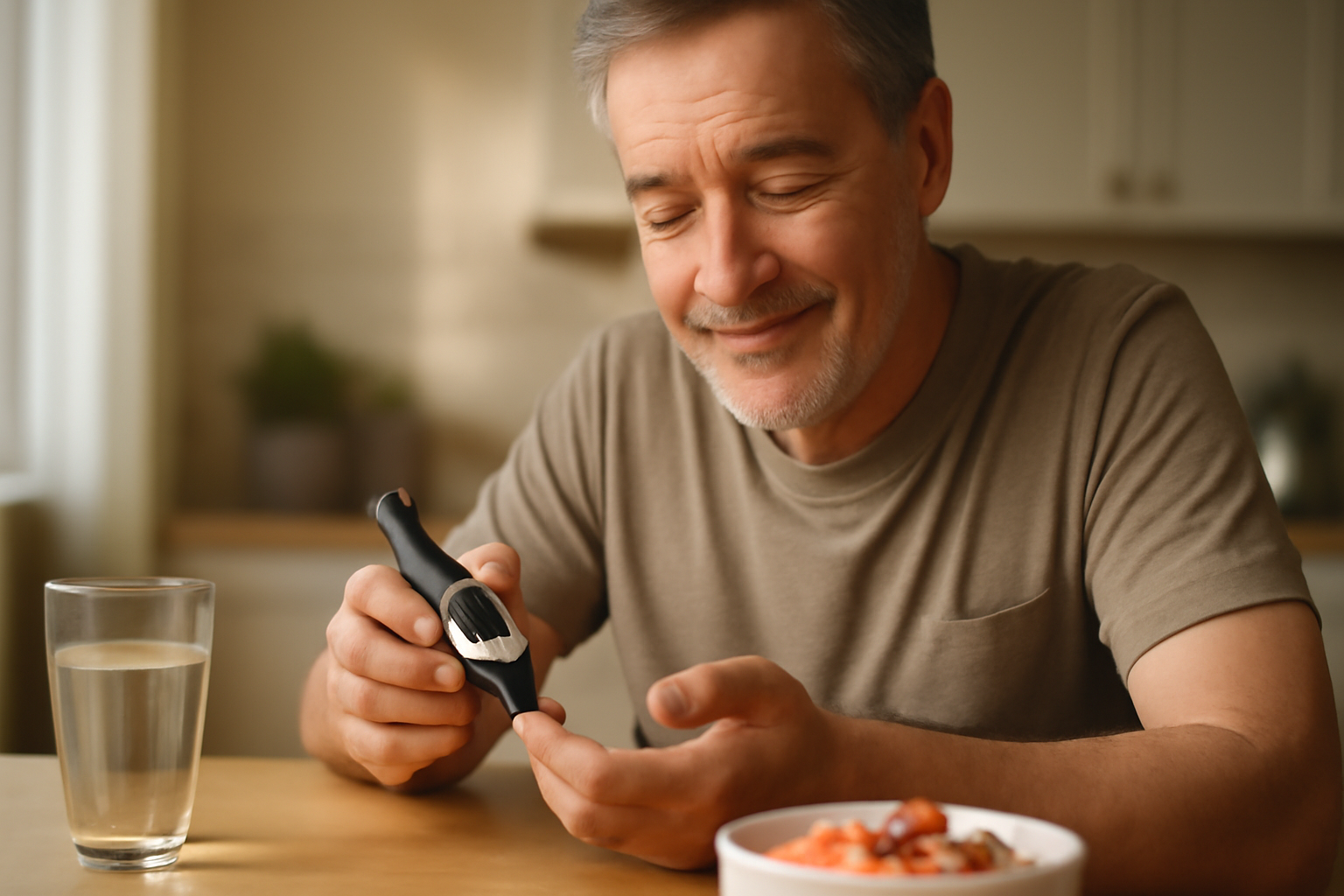
A blood glucose meter (glucometer) requires a small fingerstick blood sample placed on a test strip. The device reads the glucose level in seconds. These devices are affordable, widely covered by insurance, and accurate when used correctly. They remain the most commonly used monitoring tool in the US for type 2 diabetes.
Key tips for accurate readings:
- Wash your hands thoroughly before testing
- Use the side of your fingertip, not the center
- Store test strips at room temperature and away from humidity
- Check the expiration date on your strips
- Calibrate or replace your meter per manufacturer guidelines
Continuous Glucose Monitors (CGM)
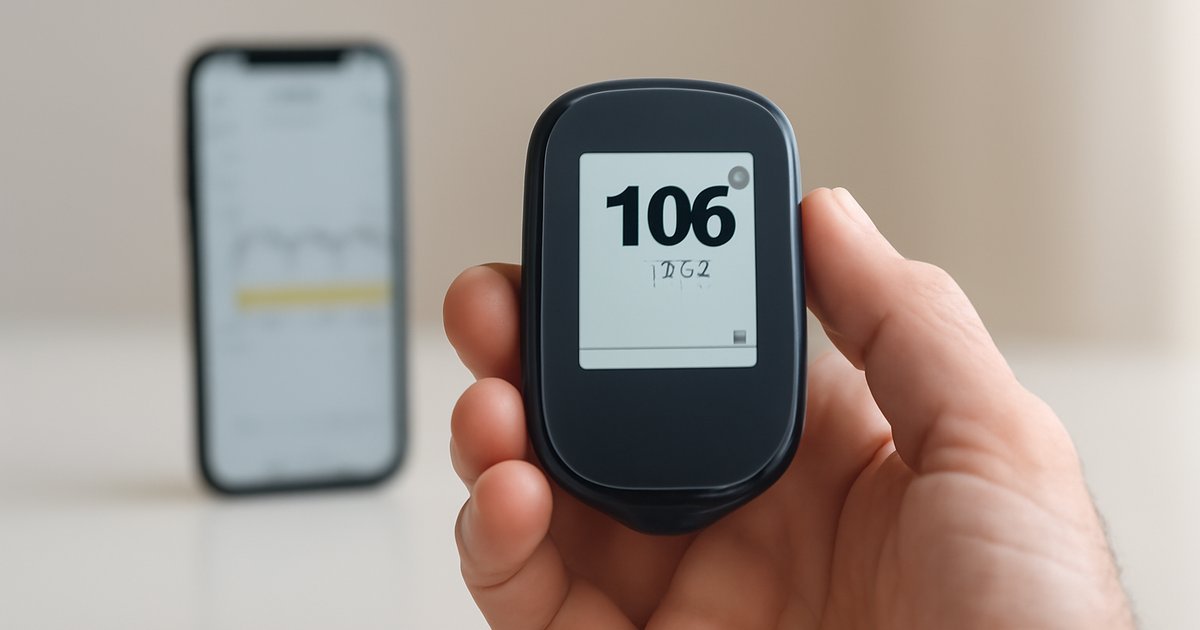
Continuous glucose monitors represent a major advancement in diabetes care. A small sensor — worn on the arm, abdomen, or upper back — measures glucose levels in the fluid just under the skin (interstitial fluid) every few minutes, sending readings to a smartphone app or reader device around the clock.
CGMs allow users to see glucose trends in real time, receive alerts for dangerous highs or lows, and share data with their care team. A 2022 clinical trial published in JAMA found that adults with type 2 diabetes not on intensive insulin therapy who used CGMs experienced significantly greater reductions in A1C compared to those using standard fingerstick monitoring.
Popular CGM devices available in the US include the Dexcom G7, the Abbott FreeStyle Libre 3, and others approved by the FDA. Coverage through Medicare and private insurance has expanded significantly in recent years, making CGM more accessible to more patients.
Flash Glucose Monitoring
Flash glucose monitors work similarly to CGMs but require the user to wave a reader or phone over the sensor to obtain a reading, rather than transmitting continuously. They are generally more affordable than full CGM systems and still provide substantial data compared to fingerstick testing alone.
If you’re unsure which monitoring approach is right for you, your diabetes care provider or a certified diabetes care and education specialist (CDCES) can help you evaluate options based on your lifestyle, insurance, and clinical needs. Understanding how your monitoring data connects to lifestyle factors — including how carbohydrates affect glucose — is also worth exploring. Our resource on Carb Counting for Diabetes: A Complete Beginner’s Guide can help you connect those dots.
Living With Diabetes: Making Monitoring Work in Real Life
Knowing how to monitor is one thing — making it a sustainable habit is another. Many people with type 2 diabetes struggle with the emotional and logistical burden of frequent testing, particularly if their readings are often discouraging.
Clinical evidence indicates that treating monitoring as information rather than judgment is critical for long-term engagement. A high reading after a meal isn’t a failure — it’s a data point that can guide your next decision.
Practical strategies to stay consistent:
- Set a recurring alarm on your phone for monitoring times
- Keep your meter or CGM reader in a visible, convenient place
- Use a logbook or diabetes app to track readings alongside meals and activity
- Review your data with your care team at every visit — bring your meter or app history
- Ask your pharmacist about automatic refills for test strips and lancets
Stress, illness, poor sleep, and hormonal fluctuations can all affect blood glucose readings in ways that have nothing to do with your food choices. This varies from person to person, but most physicians recommend checking more frequently during periods of illness or significant life stress.
Research suggests that regular physical activity is one of the most powerful tools for improving insulin sensitivity and stabilizing blood sugar. For a detailed breakdown of how exercise affects glucose levels, visit our article on Diabetes Meal Planning: Build a Plate That Controls Blood Sugar for complementary dietary strategies.
When to Call Your Doctor — and Emergency Warning Signs
Knowing when to seek help is just as important as knowing how to monitor. Some situations require a same-day call to your healthcare provider; others require calling 911 immediately.
Call your doctor promptly if:
- Your fasting blood sugar is consistently above 180 mg/dL or below 70 mg/dL
- You are experiencing frequent hypoglycemic episodes without a clear cause
- Your A1C result has significantly worsened since your last test
- You develop new symptoms such as increased urination, extreme thirst, or unexplained weight loss
- You feel unwell and your blood sugar won’t stabilize despite your usual management
- Your meter or CGM readings seem inconsistent or inaccurate
⚠️ Seek emergency care immediately (call 911) if you or someone nearby experiences:
- Loss of consciousness or inability to be roused
- Seizures
- Severe confusion or disorientation
- Symptoms of diabetic ketoacidosis (DKA): fruity-smelling breath, severe nausea or vomiting, rapid breathing, extreme fatigue
The Mayo Clinic emphasizes that DKA, while more common in type 1 diabetes, can occur in people with type 2 diabetes — particularly during illness, under severe physiological stress, or in those taking certain medications. Never ignore these warning signs.
Frequently Asked Questions
Q: What is a normal blood sugar level for someone with type 2 diabetes?
Most physicians and the ADA recommend a fasting target of 80–130 mg/dL and a post-meal target of under 180 mg/dL. Your personal targets may differ based on your age, health history, and medications — always confirm your specific goals with your care team.
Q: Do I need to check my blood sugar if I’m managing my diabetes with diet alone?
Research suggests that even people managing type 2 diabetes without medication can benefit from periodic structured monitoring to understand how specific foods, exercise, and stress affect their glucose levels. Discuss an appropriate schedule with your physician.
Q: Can stress cause blood sugar to spike even if I eat well?
Absolutely. Stress triggers the release of hormones like cortisol and adrenaline, which cause the liver to release stored glucose into the bloodstream. Clinical evidence confirms that psychological and physical stress can significantly elevate blood glucose levels, independent of diet.
Q: Is a continuous glucose monitor (CGM) covered by my insurance?
Coverage varies by plan. As of 2026, Medicare Part B covers CGMs for many people with diabetes who require insulin. Many private insurers have expanded coverage as well. Contact your insurance provider or a CDCES (certified diabetes care and education specialist) to understand your specific benefits.
Q: How often should I get my A1C tested?
The ADA recommends A1C testing at least twice a year for people whose blood sugar is well-controlled and meeting their targets. For those whose management has changed or who are not meeting goals, quarterly testing (every 3 months) is often recommended.
Conclusion
Blood sugar monitoring is one of the most powerful tools available to anyone living with type 2 diabetes. It transforms invisible, daily biochemical processes into actionable information — giving you and your healthcare team the insight needed to make smarter decisions about food, activity, medication, and overall care.
Whether you use a traditional glucometer or the latest continuous glucose monitor, the goal is the same: understand your patterns, respond to what the data tells you, and stay connected with your care team. No single reading defines your health — but a consistent commitment to monitoring can genuinely protect it.
Talk to your doctor or a certified diabetes educator about the monitoring schedule and tools that are right for your specific situation. You deserve a management plan that is tailored to your life — not a generic one-size-fits-all approach.
This article is for informational and educational purposes only. It does not constitute medical advice, diagnosis, or treatment. Always consult your physician or a qualified healthcare provider before making changes to your health routine or treatment plan.
Medically reviewed by our editorial health team. Content follows evidence-based standards aligned with CDC and NIH guidelines.