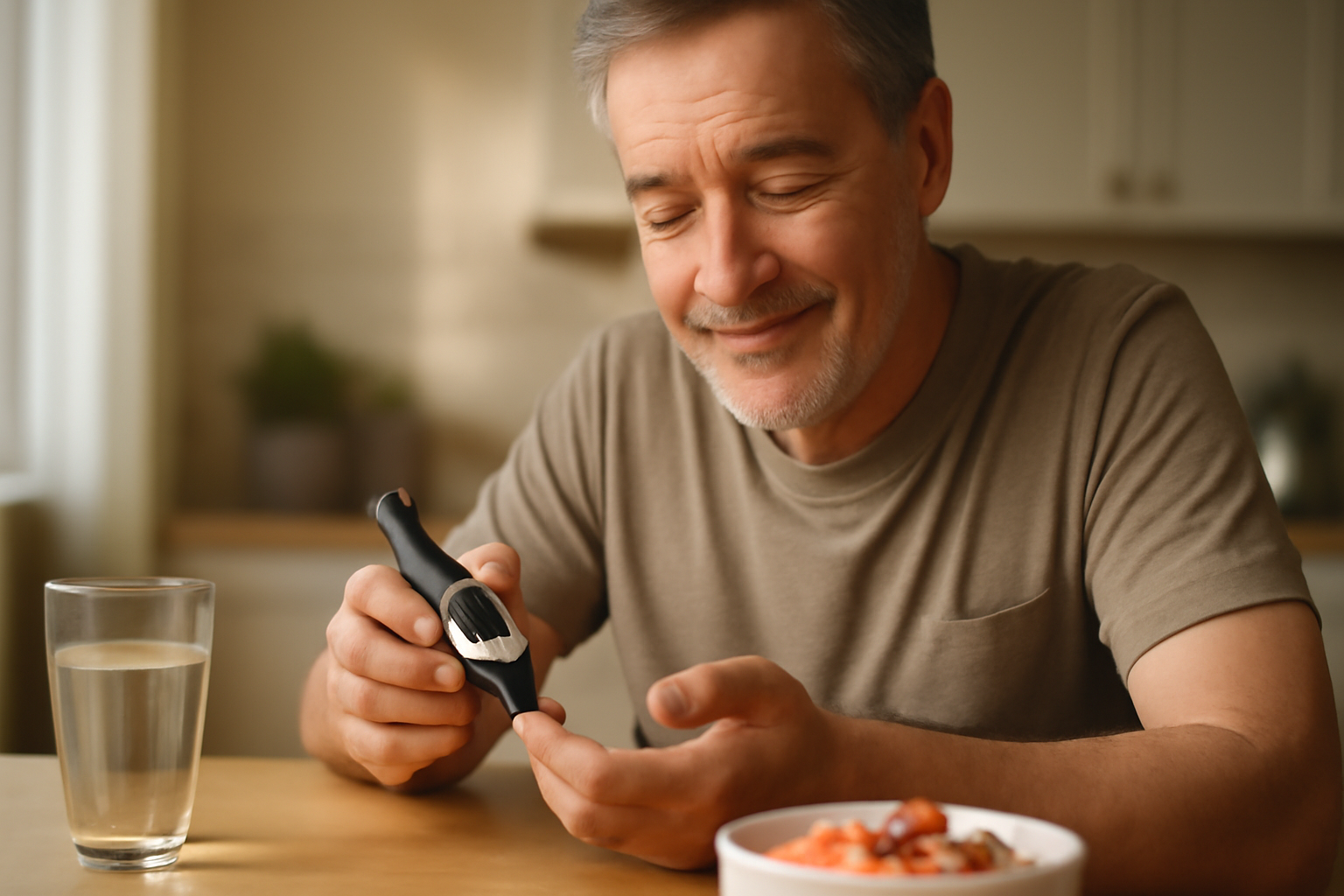
Poor sleep and diabetes form a dangerous cycle — and breaking it may be one of the most underrated moves in blood sugar management.
Marcus, 54, had been living with type 2 diabetes for six years. He tracked his carbs, took his medication faithfully, and exercised three times a week. Yet his fasting blood sugar readings kept creeping up. His endocrinologist asked one question that changed everything: “How well are you sleeping?”
Marcus was getting five hours a night — tops. He thought that was just part of getting older. It wasn’t. It was quietly undermining every other effort he was making to manage his diabetes.
According to the CDC, more than 35% of American adults report sleeping fewer than seven hours per night. Among adults with type 2 diabetes, sleep problems are even more common — and the consequences are measurable in blood glucose levels, insulin sensitivity, and long-term A1C trends.
In this guide, you’ll learn how sleep directly affects blood sugar control, what the research says, and what practical steps you can take to improve both your sleep and your diabetes outcomes — starting tonight.
The Connection Between Sleep and Blood Sugar
Sleep isn’t passive recovery. While you rest, your body is actively regulating hormones, repairing tissues, and resetting metabolic processes — including the ones that govern blood glucose.
When you don’t sleep enough — or sleep poorly — your body responds with a stress-like hormonal cascade. Cortisol and adrenaline (epinephrine) rise, signaling your liver to release more glucose into the bloodstream. At the same time, insulin sensitivity decreases, meaning your cells become less responsive to insulin’s signal to absorb that glucose.
The result: higher blood sugar, even if you haven’t eaten anything different.
A landmark study published in Annals of Internal Medicine found that just four nights of sleep restriction (4.5 hours per night) reduced insulin sensitivity in healthy adults by 16% and reduced the capacity of fat cells to respond properly to insulin by 30%. For someone already managing insulin resistance, that’s a significant added burden.
Research suggests the relationship runs in both directions: poor sleep worsens diabetes control, and diabetes complications — including neuropathy, nighttime urination, and sleep apnea — disrupt sleep quality. This bidirectional cycle makes addressing sleep a clinical priority, not an afterthought.
Signs That Poor Sleep May Be Affecting Your Blood Sugar
You may not immediately connect your blood sugar readings to how you slept the night before. But clinical evidence indicates several signs that sleep disruption is influencing your glucose control:
Early or mild signs:
- Fasting blood glucose consistently higher than your target range
- Stronger cravings for carbohydrates and sugary foods the next day
- Difficulty concentrating or “brain fog” after a poor night’s sleep
- Increased hunger despite eating normally
- Blood sugar spikes after meals that are harder to manage
- Fatigue that doesn’t improve with rest
More advanced or persistent signs:
- A1C creeping upward despite consistent medication use
- Waking multiple times at night to urinate (possible sign of high blood glucose or uncontrolled diabetes)
- Witnessed gasping or pauses in breathing during sleep (potential sleep apnea — a major diabetes-related complication)
- Restless leg sensations at night (may indicate diabetic peripheral neuropathy)
- Morning headaches and daytime sleepiness despite seven or more hours in bed
According to a study in Diabetes Care, adults with type 2 diabetes who slept fewer than six hours per night had significantly higher A1C levels than those who slept seven to eight hours, even after adjusting for diet and medication use. This varies from person to person, but the pattern is consistent across multiple large-scale studies.
Why Diabetes Makes Sleep Harder — and Vice Versa
One of the most frustrating aspects of diabetes and sleep is how each condition fuels the other. Understanding these mechanisms helps you target the right intervention.
How diabetes disrupts sleep:
- Nocturia (nighttime urination): When blood glucose is elevated, your kidneys work overtime to filter excess sugar, causing frequent trips to the bathroom at night.
- Nocturnal hypoglycemia: Low blood sugar episodes during sleep can cause sweating, heart pounding, or nightmares that wake you up.
- Peripheral neuropathy: Nerve damage in the legs and feet can cause burning, tingling, or pain that makes it impossible to fall or stay asleep.
- Obstructive sleep apnea (OSA): Research from the American Diabetes Association indicates that OSA affects up to 70% of people with type 2 diabetes — far higher than the general population rate of 20-30%.
How poor sleep worsens diabetes:
- Elevated cortisol raises fasting blood glucose
- Reduced insulin sensitivity makes medications less effective
- Sleep deprivation increases ghrelin (hunger hormone) and decreases leptin (satiety hormone), promoting overeating of high-carb foods
- Chronic sleep loss promotes systemic inflammation, which is a known driver of insulin resistance
This cycle isn’t inevitable — but it does require active, informed management. For more on how insulin resistance develops, see our article on Diabetes and Kidney Disease: Protect Your Kidneys Now, which covers related metabolic pathways.
Sleep Disorders Common in People With Diabetes
Certain sleep disorders are significantly more prevalent among people with diabetes, and identifying them is the first step toward treatment.
Obstructive Sleep Apnea (OSA)
OSA occurs when the airway partially or fully collapses during sleep, causing interrupted breathing. Clinical evidence indicates that OSA both worsens insulin resistance and is more likely to develop in people who are overweight — a common comorbidity in type 2 diabetes. The NIH reports that treating OSA with continuous positive airway pressure (CPAP) therapy can meaningfully improve insulin sensitivity and glucose variability in people with diabetes.
Restless Leg Syndrome (RLS)
RLS causes uncomfortable sensations in the legs — often described as crawling, tingling, or aching — that worsen at rest and improve with movement. Research suggests that RLS is more common in people with diabetes, partly linked to peripheral neuropathy and iron deficiency.
Insomnia
Chronic insomnia — difficulty falling asleep, staying asleep, or waking too early — is more prevalent in adults with diabetes. Anxiety about blood sugar levels, pain from neuropathy, and the metabolic consequences of glucose dysregulation all contribute. Cognitive behavioral therapy for insomnia (CBT-I) is the first-line, evidence-based treatment recommended by the American Academy of Sleep Medicine, and it does not require medication.
Circadian Rhythm Disruption
Shift work, irregular schedules, or late-night screen exposure can disrupt your body’s internal clock. Research from Harvard Health indicates that circadian misalignment impairs glucose metabolism independently of total sleep duration.
What the Research Says: Sleep Duration, Quality, and A1C
The science connecting sleep and blood sugar is robust and growing stronger every year.
A 2020 meta-analysis published in Sleep Medicine Reviews — analyzing data from over 36,000 participants — found that both short sleep duration (fewer than six hours) and long sleep duration (more than nine hours) were independently associated with higher rates of type 2 diabetes. The sweet spot: seven to eight hours per night.
A separate NIH-supported study found that improving sleep quality in adults with type 2 diabetes — through behavioral sleep interventions — led to measurable reductions in A1C at six months, comparable in magnitude to some low-intensity pharmacological interventions.
Clinical evidence also indicates that slow-wave sleep (deep sleep) is particularly important for glucose metabolism. During deep sleep, growth hormone is released and cortisol is suppressed — conditions that support healthy insulin function. Conditions or substances that suppress deep sleep (including alcohol and certain medications) can impair glucose regulation even when total sleep time seems adequate.
Most physicians now consider sleep assessment a standard part of comprehensive diabetes care, alongside A1C monitoring, blood pressure, and lipid panels.
Practical Strategies to Improve Sleep and Blood Sugar Together
The good news: many strategies that improve sleep quality also directly benefit blood sugar control. These approaches are evidence-based and complement — never replace — your prescribed diabetes treatment plan.
1. Set a consistent sleep schedule
Go to bed and wake up at the same time every day, including weekends. Research suggests that consistent sleep timing improves circadian rhythm and reduces cortisol variability, both of which benefit glucose regulation.
2. Create a glucose-friendly pre-sleep routine
Avoid large meals or high-glycemic snacks in the two hours before bed. If your care team has approved a small bedtime snack to prevent nocturnal hypoglycemia, choose something with protein and fiber (such as a handful of nuts or low-fat cheese with whole grain crackers) over refined carbohydrates.
3. Limit alcohol near bedtime
Alcohol may help you fall asleep but suppresses REM and deep sleep stages, worsens glucose control, and increases the risk of nocturnal hypoglycemia. The American Diabetes Association recommends moderation and always discussing alcohol use with your diabetes care team.
4. Manage nightly blood sugar proactively
If nocturnal hypoglycemia or hyperglycemia is waking you up, talk to your doctor. Adjustments to medication timing, dosing, or continuous glucose monitor (CGM) alert settings may reduce nighttime disruptions significantly.
5. Exercise regularly — but time it right
Regular physical activity improves both sleep quality and insulin sensitivity. Clinical evidence indicates that moderate aerobic exercise (such as brisk walking for 30 minutes) improves sleep quality in older adults with type 2 diabetes. Avoid vigorous exercise within two to three hours of bedtime, as it may temporarily raise cortisol and delay sleep onset.
6. Address pain from neuropathy
If nerve pain is keeping you awake, speak with your doctor about pain management options — including medications, physical therapy, or TENS (transcutaneous electrical nerve stimulation). Unmanaged neuropathy pain is one of the most underreported causes of poor sleep in people with diabetes.
7. Limit screen exposure before bed
Blue light from phones, tablets, and televisions suppresses melatonin production, delaying sleep onset. Research from Johns Hopkins suggests that avoiding screens for 60 to 90 minutes before bed meaningfully improves sleep latency (how quickly you fall asleep).
8. Consider a sleep study if you snore or feel unrefreshed
If your partner notices that you stop breathing during sleep, or if you wake up tired despite adequate time in bed, ask your doctor about a sleep study to rule out obstructive sleep apnea. Treating OSA with CPAP has been shown to improve glycemic control in multiple clinical trials.
You may also find it helpful to review our article on Diabetes and Heart Disease: Protecting Your Heart, since sleep quality is also a significant factor in cardiovascular risk — another top concern for people managing diabetes.
When to Call Your Doctor or Seek Immediate Care
Most sleep issues related to diabetes can be addressed through your primary care physician or endocrinologist during a scheduled visit. However, some situations require faster action.
Call your doctor promptly if you notice:
- Consistently elevated morning blood glucose despite following your treatment plan
- Waking up multiple times a night to urinate
- Signs of nocturnal hypoglycemia (waking with sweating, shaking, confusion, or a rapid heartbeat)
- Persistent burning or pain in the feet or legs that disrupts sleep
- A partner reporting that you stop breathing or gasp during sleep
- Excessive daytime sleepiness that interferes with work or safety (including driving)
Seek emergency care immediately if you experience:
- Severe hypoglycemia with confusion, loss of consciousness, or inability to swallow
- Blood glucose readings that are dangerously high and accompanied by nausea, vomiting, or rapid breathing (possible signs of diabetic ketoacidosis — a medical emergency)
- Chest pain or severe shortness of breath during or after sleep
At your next routine visit, bring a brief sleep diary — noting your bedtime, wake time, nighttime awakenings, and morning blood glucose readings for one to two weeks. This gives your doctor actionable data rather than general impressions.
Frequently Asked Questions
Q: Can one bad night of sleep raise my blood sugar the next morning?
A: Yes. Research suggests that even a single night of insufficient sleep can elevate fasting blood glucose the following morning, primarily due to increased cortisol and reduced insulin sensitivity. This is usually temporary, but chronically poor sleep compounds these effects significantly.
Q: Is it safe to take melatonin if I have type 2 diabetes?
A: Melatonin supplements are generally considered low-risk, but clinical evidence on their direct effect on blood glucose in people with diabetes is mixed. Some studies suggest melatonin may affect insulin secretion. Always consult your physician before starting any supplement, including melatonin, to ensure it is appropriate for your individual situation.
Q: Does sleep apnea actually affect A1C?
A: Yes. Multiple clinical studies indicate that untreated obstructive sleep apnea is associated with higher A1C levels, and that treatment with CPAP therapy can improve glycemic control in people with type 2 diabetes. If you suspect sleep apnea, ask your doctor for a referral for a sleep study.
Q: How many hours of sleep should a person with type 2 diabetes aim for?
A: Most physicians recommend seven to nine hours per night for adults. Both short sleep (fewer than six hours) and long sleep (more than nine hours) have been associated with worse metabolic outcomes. Quality matters too — fragmented or non-restorative sleep can impair glucose regulation even when total duration seems adequate.
Q: Are sleeping pills safe to use when you have diabetes?
A: This varies from person to person and depends heavily on which medication is considered and your full medical history. Some sedative-hypnotic medications can affect blood glucose levels or interact with diabetes medications. Cognitive behavioral therapy for insomnia (CBT-I) is the preferred first-line treatment for chronic insomnia and does not carry these risks. Discuss any sleep aid — prescription or over-the-counter — with your physician before using it.
Conclusion
Managing diabetes is about much more than what you eat or which medication you take. Sleep is a foundational pillar of metabolic health — and for people living with type 2 diabetes, it may be the most overlooked lever available.
The connection between sleep and blood sugar is not a theory; it is backed by decades of clinical evidence. Improving your sleep quality can reduce insulin resistance, support healthier A1C trends, curb cravings, and make every other element of your diabetes management plan more effective.
You don’t have to overhaul everything at once. Start with one change — a consistent bedtime, a conversation with your doctor about nighttime symptoms, or a sleep study referral. Small, consistent improvements in sleep can produce meaningful improvements in blood sugar control over time.
Work closely with your diabetes care team. They can help you connect the dots between your sleep patterns and your glucose data — and develop a plan tailored to your specific needs.
This article is for informational and educational purposes only. It does not constitute medical advice, diagnosis, or treatment. Always consult your physician or a qualified healthcare provider before making changes to your health routine or treatment plan.
Medically reviewed by our editorial health team. Content follows evidence-based standards aligned with CDC and NIH guidelines.